
Ho Chi Minh City's surveillance system has recorded a marked increase in acute respiratory infections. Doctors warn that influenza A in children can become severe quickly, causing pneumonia, respiratory failure or myocarditis.
Seven-year-old child treated for severe influenza A complications
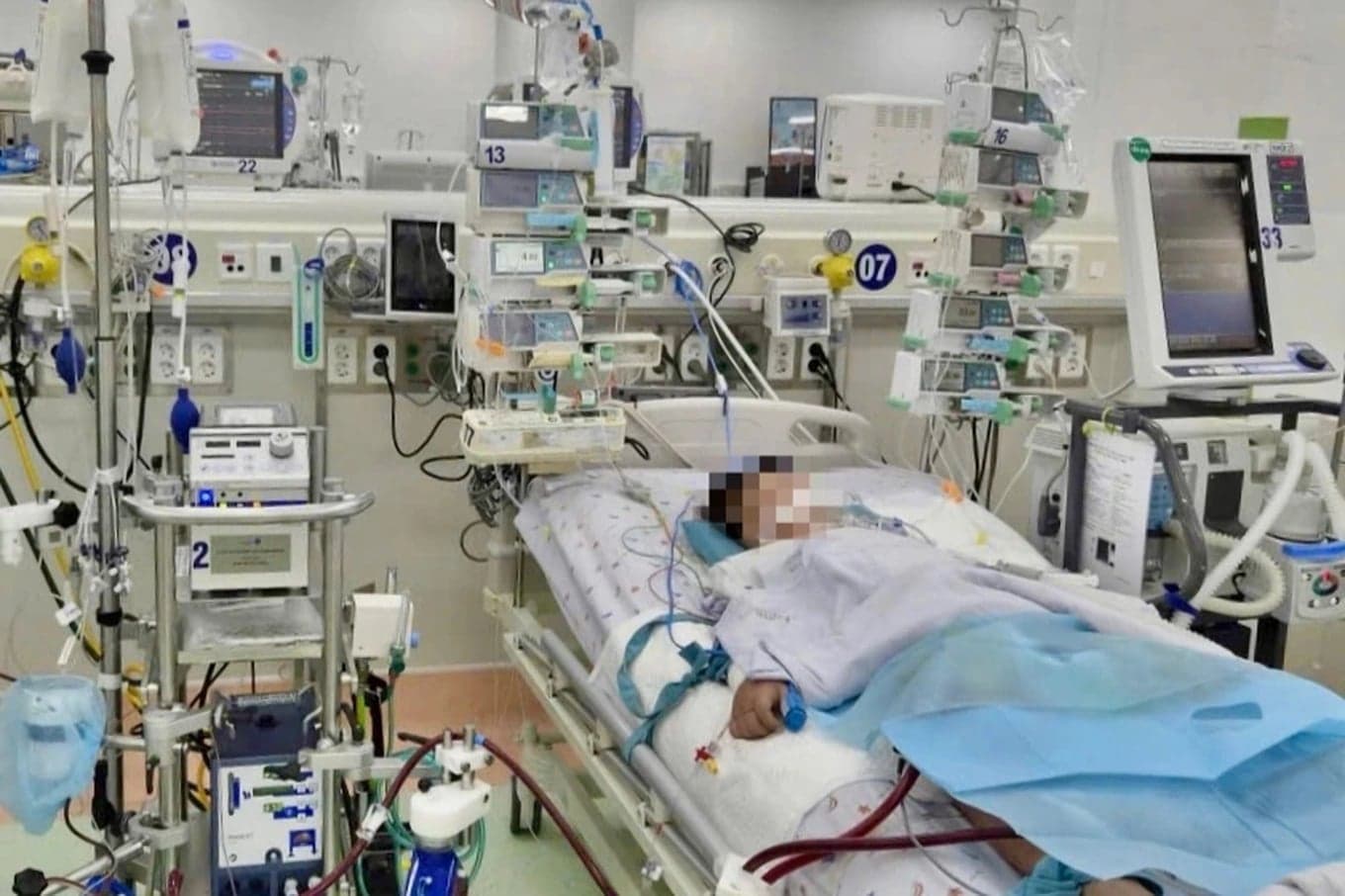
Children's Hospital 1 recently treated a seven-year-old boy in critical condition. The infection caused acute pulmonary edema and fulminant myocarditis. He was transferred from Can Tho on October 12 with septic shock, severe pneumonia and myocarditis. After nearly 12 days on ECMO, his condition improved and he was later weaned from mechanical ventilation.
A ten-year-old boy was also treated after a fever reaching 41 C, a productive cough and severe nasal congestion. Tests confirmed influenza A, and doctors prescribed outpatient treatment.
Influenza A dominates as respiratory infections rise
The Ho Chi Minh City Center for Disease Control recorded 34,664 acute respiratory infection cases in week 40, more than 64% above the average for the previous four weeks. The city recorded 151 positive influenza samples that week, bringing the total since the start of the year to 397.
The 2009 A/H1N1 strain accounted for 116 positive samples, almost 77% of all positive influenza samples during the week. Samples are collected at 29 medical facilities, while health authorities monitor community clusters.
Influenza A can cause pneumonia and respiratory failure
The Pasteur Institute in Ho Chi Minh City says seasonal influenza is caused by viruses in the Orthomyxoviridae family. Influenza A and B are the main causes of seasonal influenza in people. Influenza A subtypes are classified by hemagglutinin and neuraminidase proteins; A(H1N1) and A(H3N2) circulate among people.
Severity depends on the virus strain, age, immune status and underlying conditions. Older adults, young children, pregnant women and people with chronic disease or weakened immunity face a higher risk of pneumonia, respiratory failure and worsening existing conditions.
Flu usually begins suddenly with fever, chills, headache, muscle aches, fatigue, cough, sore throat, a runny nose or congestion. Symptoms can resemble a cold, so they cannot by themselves distinguish influenza A from influenza B. Most people recover within several days to about a week, but some cases become severe.
People should seek care for persistent high fever, worsening fatigue or cough, difficulty breathing or chest pain. Severe shortness of breath, blue lips, confusion, seizures, severe dehydration or reduced alertness require emergency care. Warning signs in children include rapid or difficult breathing, chest retractions, unusual sleepiness, seizures, inability to drink and unusually little urination.
How to reduce flu transmission
The health authority recommends regular handwashing, covering the mouth and nose when coughing or sneezing, wearing a mask when symptoms appear and limiting close contact. Annual influenza vaccination, following health authorities' guidance, helps reduce the risk of infection.
Sources: Dân Trí

