
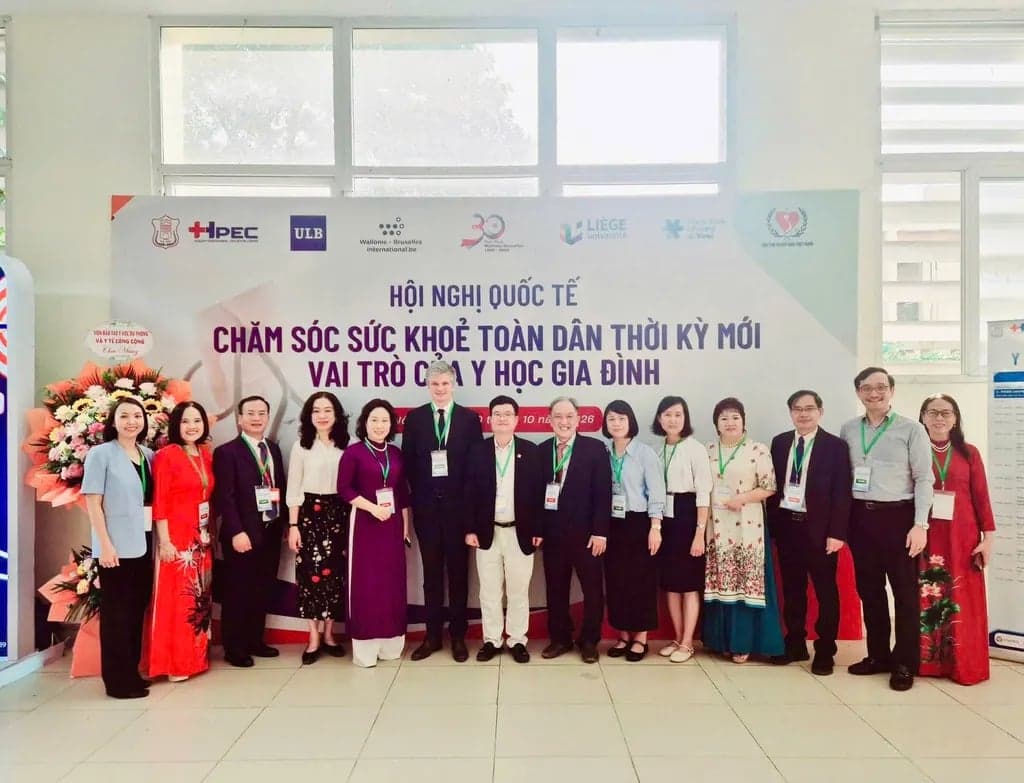
Hanoi Medical University, in collaboration with the Wallonia-Brussels Federation of Belgium, held an international conference on October 29 to discuss the role of family medicine in strengthening primary healthcare. The event also marked the 30th anniversary of cooperation between Viet Nam and Wallonia-Brussels.
The two-day conference, themed “Universal Healthcare in a New Era: The Role of Family Medicine”, brought together policymakers, healthcare professionals, representatives of medical training institutions and healthcare providers from Viet Nam and abroad. Participants shared experience and discussed ways to advance family medicine and improve the quality of primary healthcare nationwide.
Family medicine and primary healthcare
As Viet Nam shifts from a treatment-oriented approach towards greater emphasis on disease prevention, in line with Politburo Resolution No. 72-NQ/TW and the National Target Programme on Healthcare, Population and Development for 2026–2035, family medicine has been identified as a major element in strengthening grassroots healthcare and improving primary healthcare services.
The model also aims to provide continuous health monitoring and management for people in their communities.
Family medicine provides comprehensive, continuous and patient-centred care. It is also important in managing non-communicable diseases, including hypertension, diabetes and cardiovascular diseases, as well as health conditions associated with population ageing.
Through training, research and international cooperation, Hanoi Medical University, together with medical training institutions and the Vietnam Association of Family Physicians, is working to standardise professional competencies, develop a qualified healthcare workforce and expand the family doctor network nationwide.
The conference brought together experts from Viet Nam and Belgium, as well as representatives of academic and healthcare organisations, to exchange expertise and discuss policy measures to advance family medicine and strengthen the healthcare system.
Over the two days, delegates focused on policies to promote family medicine, competency-based medical training in line with international standards, improving the capacity of primary healthcare facilities to manage non-communicable diseases, digital transformation and community-based care models for older people and patients with chronic diseases.
The event also facilitated dialogue among policymakers, training institutions, healthcare providers and experts from Viet Nam and other countries.
Working with the Vietnam Association of Family Physicians, the Vietnam National Heart Association, the Vietnam Association of Diabetes and Endocrinology, the Vietnam Respiratory Society and other professional associations, the organisers prepared recommendations for the Ministry of Health on clinical practice guidelines for grassroots healthcare facilities. The proposed guidelines are intended to be practical, easy to implement and suitable for nationwide use.
Addressing the conference, Dương Huy Lương, Deputy Director of the Department of Medical Examination and Treatment Management under the Ministry of Health, said developing family medicine did not mean creating an additional tier in the healthcare system. It meant changing how medical examination and treatment services are delivered so that care is more comprehensive, continuous and people-centred.
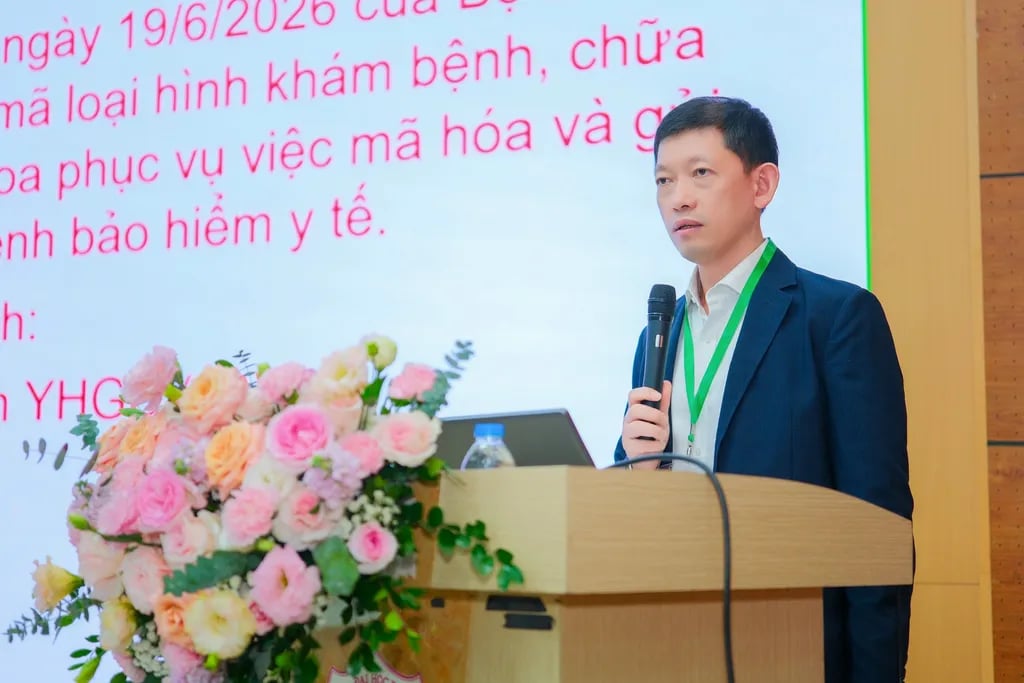
He stressed the need to make better use of the existing healthcare network, accelerate digital transformation and strengthen the role of family doctors in managing and coordinating healthcare services, while promoting early disease prevention and proactive health management at community level.
These efforts would help improve primary healthcare, ensure continuity of treatment and ease pressure on higher-level hospitals, he said.
Partnership to manage hypertension and diabetes at grassroots level
As part of the conference, Hanoi Medical University and Servier Vietnam signed a strategic framework agreement to implement the AS ONE programme for 2026–2030. The programme focuses on strengthening the management of hypertension and diabetes at grassroots healthcare facilities.
The agreement builds on a Memorandum of Understanding signed on July 3, 2026, by the Department of Medical Examination and Treatment Management, Hanoi Medical University, Servier and national strategic partners.
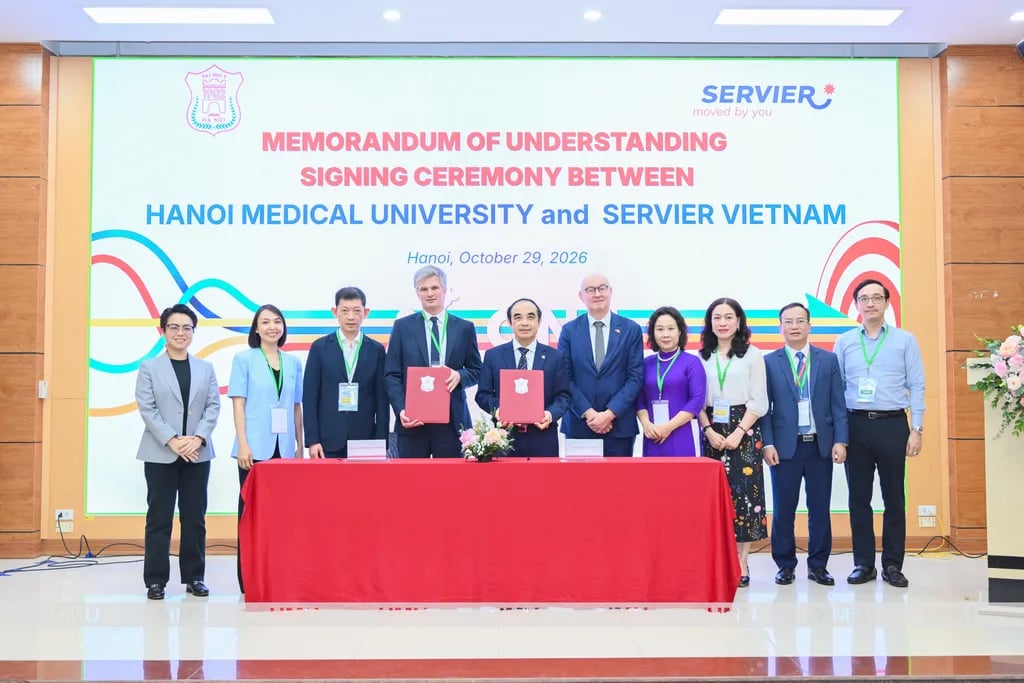
The cooperation aims to raise public awareness and strengthen capacity in communication, treatment and management of hypertension and diabetes in Viet Nam.
Under the AS ONE programme, the partners aim to ensure that by 2030 more than 50 per cent of patients receiving treatment have their conditions under control in line with professional medical recommendations.
The programme will focus on strengthening the capacity of grassroots healthcare workers, standardising online training for nurses and researching integrated, continuous and patient-centred models for managing hypertension and diabetes across different levels of the healthcare system. It will also expand community-based health screening, counselling and health management activities.
The partners also aim to improve the management of non-communicable diseases at grassroots level and build a more effective, sustainable and equitable primary healthcare system for people across Viet Nam.
Sources: Viet Nam News

