
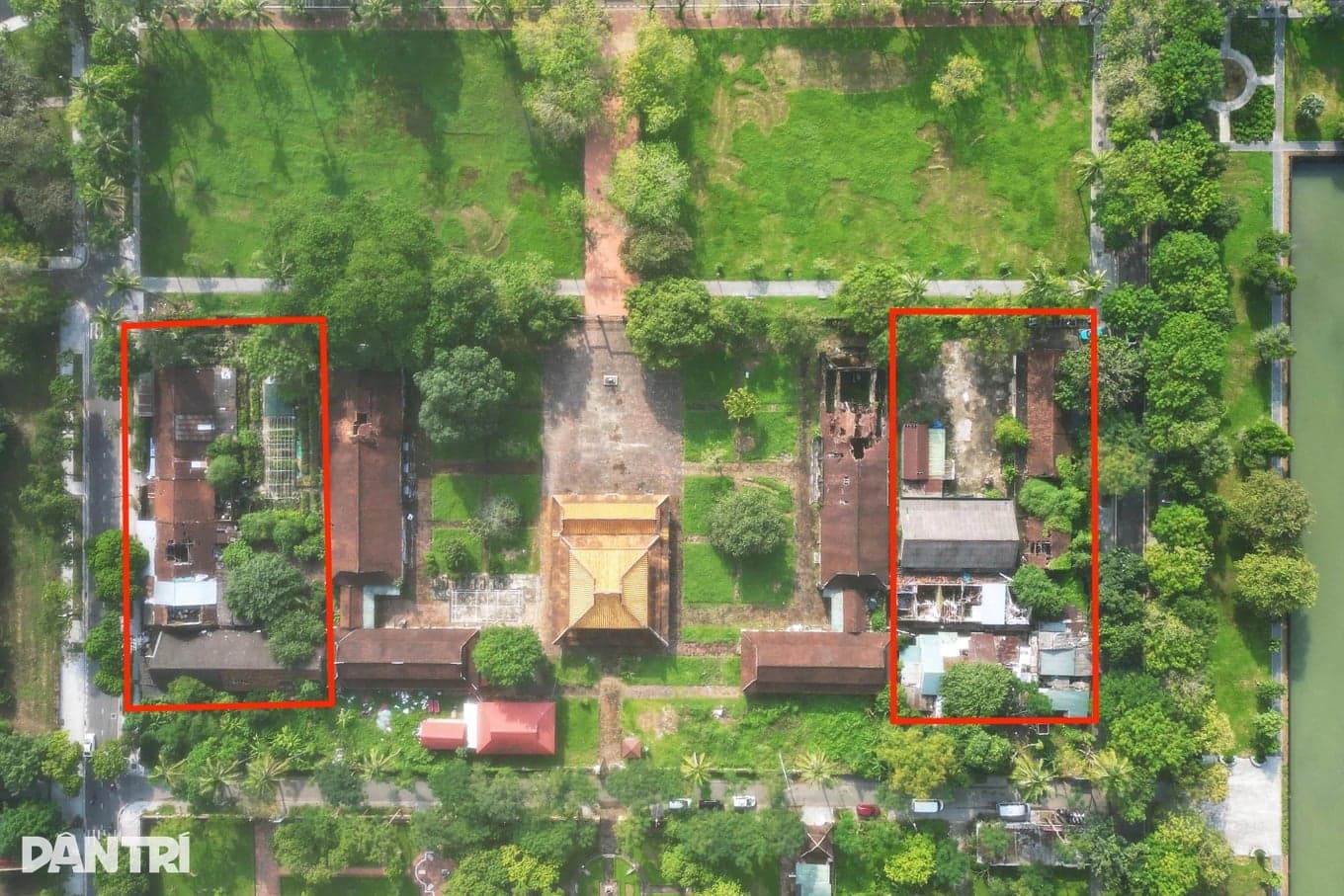
Restoration and improvement work is under way at Hue's Nguyen-era Quốc Tử Giám monument, which had deteriorated over many years. Old, dilapidated homes still stand within the site.
Homes no longer fit for living
A representative of the Hue Monuments Conservation Centre said 38 households must move from the Nguyen-era Quốc Tử Giám area in Phú Xuân Ward, Hue, under the second phase of a project to preserve, repair and improve the Hue citadel system.
The monument's main structures are being restored and repaired. The work has a total investment of more than VND108 billion. Yet old collective housing blocks in serious disrepair remain inside the site.
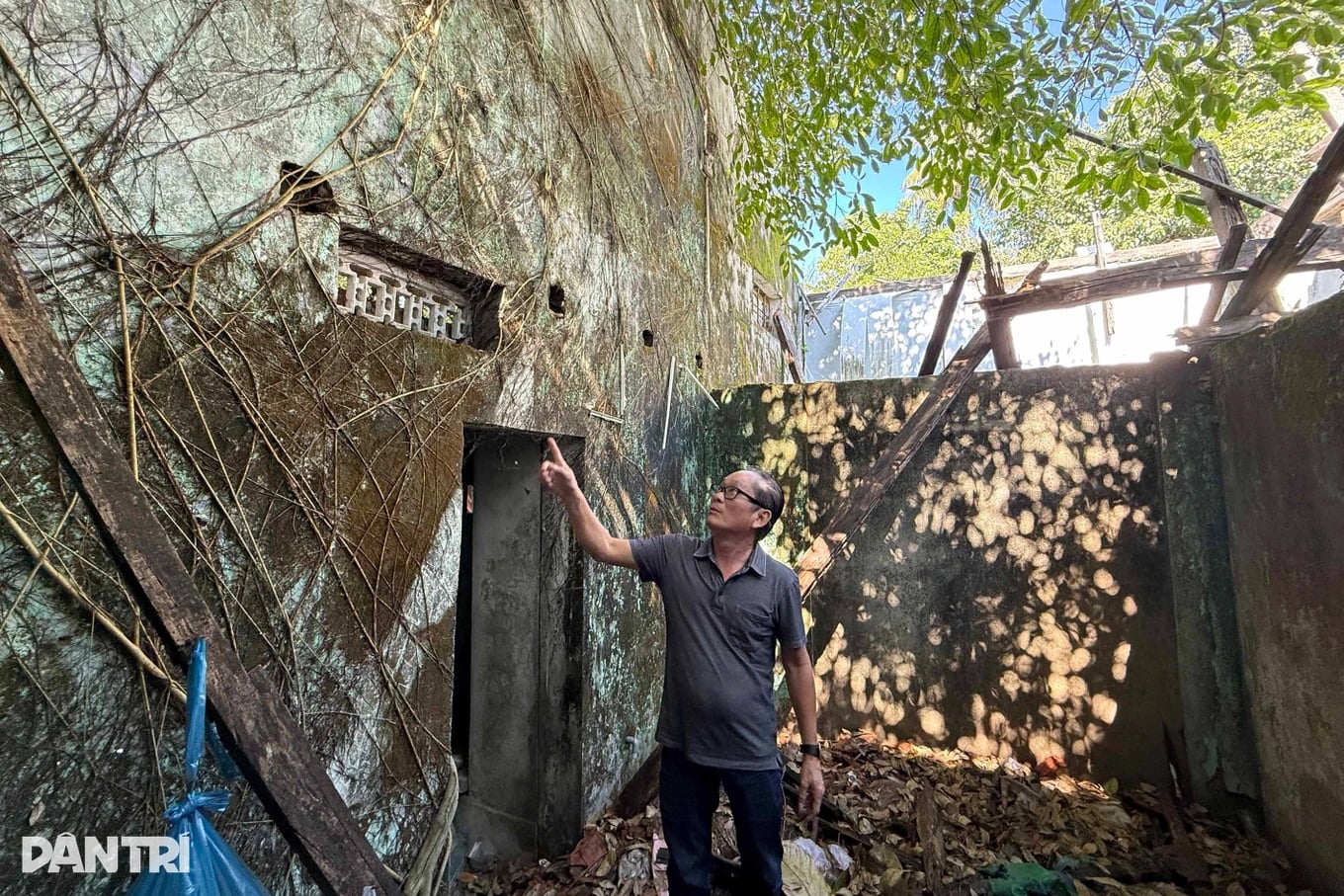
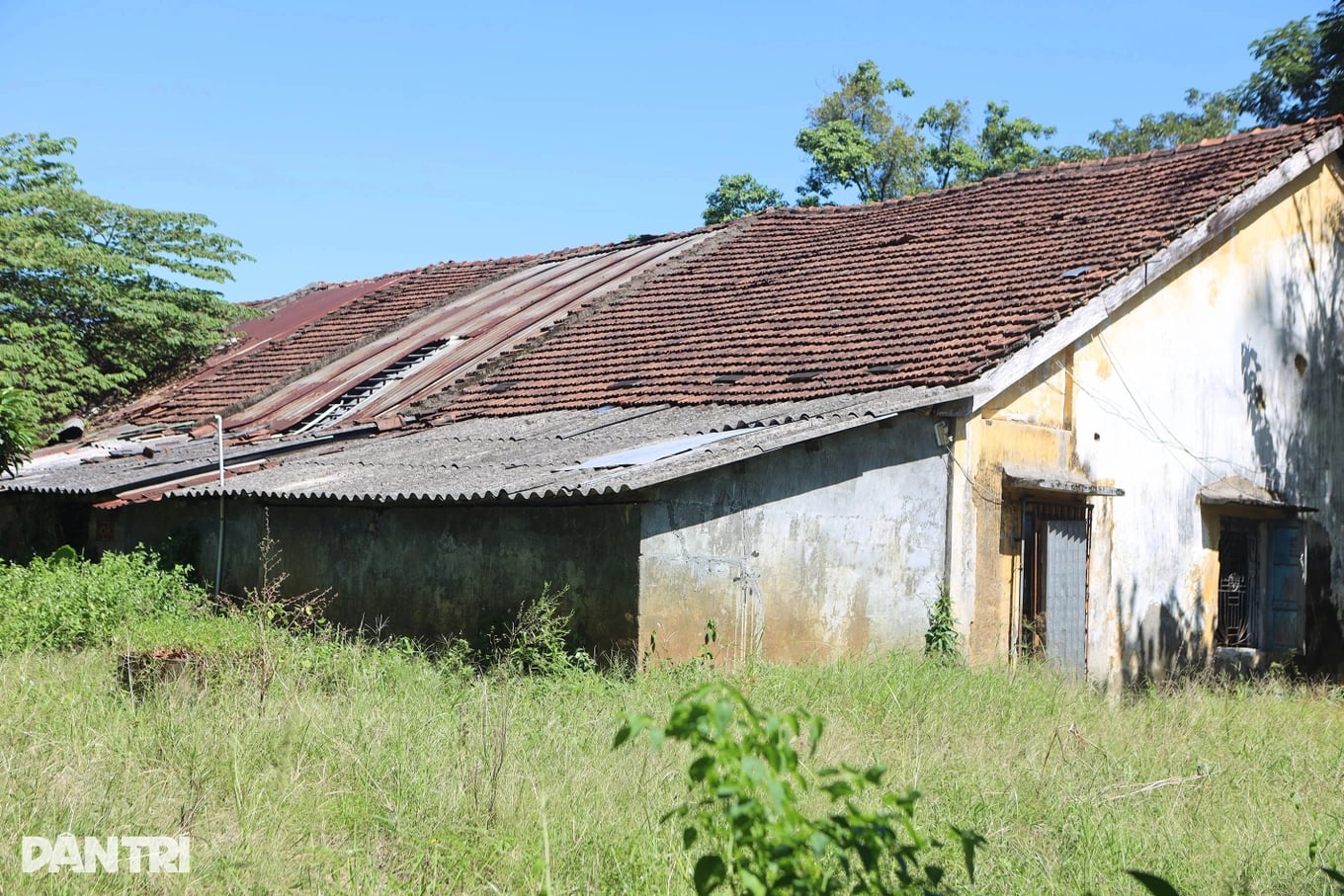
A reporter observed cracked walls and damaged structures along Đoàn Thị Điểm and Đinh Tiên Hoàng streets beside the monument. Some roofs had collapsed.
Bùi Văn Chánh, head of the compensation, support and resettlement division of the North Huong River Investment Project Management Board, said compensation and resettlement land had so far been approved for eight affected households. Authorities are considering compensation plans for the other 30 households.
The delay is mainly linked to issues involving state-owned housing.
Nguyễn Thị Oanh lives in collective housing block 2A on Đoàn Thị Điểm Street. She said an agency assigned the home to her family, which had lived there continuously since 1987. The Hue Monuments Conservation Centre also confirmed the family's housing and land records in writing.
However, under the latest plan approved by the Phú Xuân Ward People's Committee, Oanh's family was not eligible for resettlement support because it was not using the assigned home when the inventory was conducted.
For the same reason, the family of Nguyễn Đình Bá, which had lived in block 2A continuously since 1992, also received no resettlement support.
Bá said most residents were officials, performers and musicians from the former Bình Trị Thiên music and dance troupe, later known as Hue's traditional arts troupe.
In 2006, the troupe was merged into Duyệt Thị Đường Theatre, which belongs to the Hue Monuments Conservation Centre.
Many apartments deteriorated over time, and some households had to find other places to live.
In 2021, local authorities ordered residents to leave the block to protect their lives and property.
"We were not at home during the inventory because the authorities had told us to leave for safety. We hope the competent agencies will review the case and reach a fair solution," Bá said.
Residents' rights need protection
In a recent report, the board confirmed that families and individuals who no longer lived in the collective housing blocks inside the site when they were notified of land recovery had left because the buildings were severely degraded. The apartments could not be renovated or repaired, so residents had to move elsewhere.
Bùi Văn Chánh said the board had established criteria to consider compensation, support and resettlement for the remaining households and individuals.
Phú Xuân Ward reported to the Hue People's Committee and asked it to direct the city's Department of Agriculture and Environment to provide guidance on support for these cases.
Historical records say the Quốc Tử Giám school in Hue was built during the reign of Emperor Gia Long in An Ninh Thượng village, now part of Kim Long Ward. It was a national university established by the court to train talented people for service to the country.
In 1908, the Nguyen court moved Quốc Tử Giám to the southeastern corner of Hue Imperial City, where the monument stands today.
Sources: Dân Trí

