
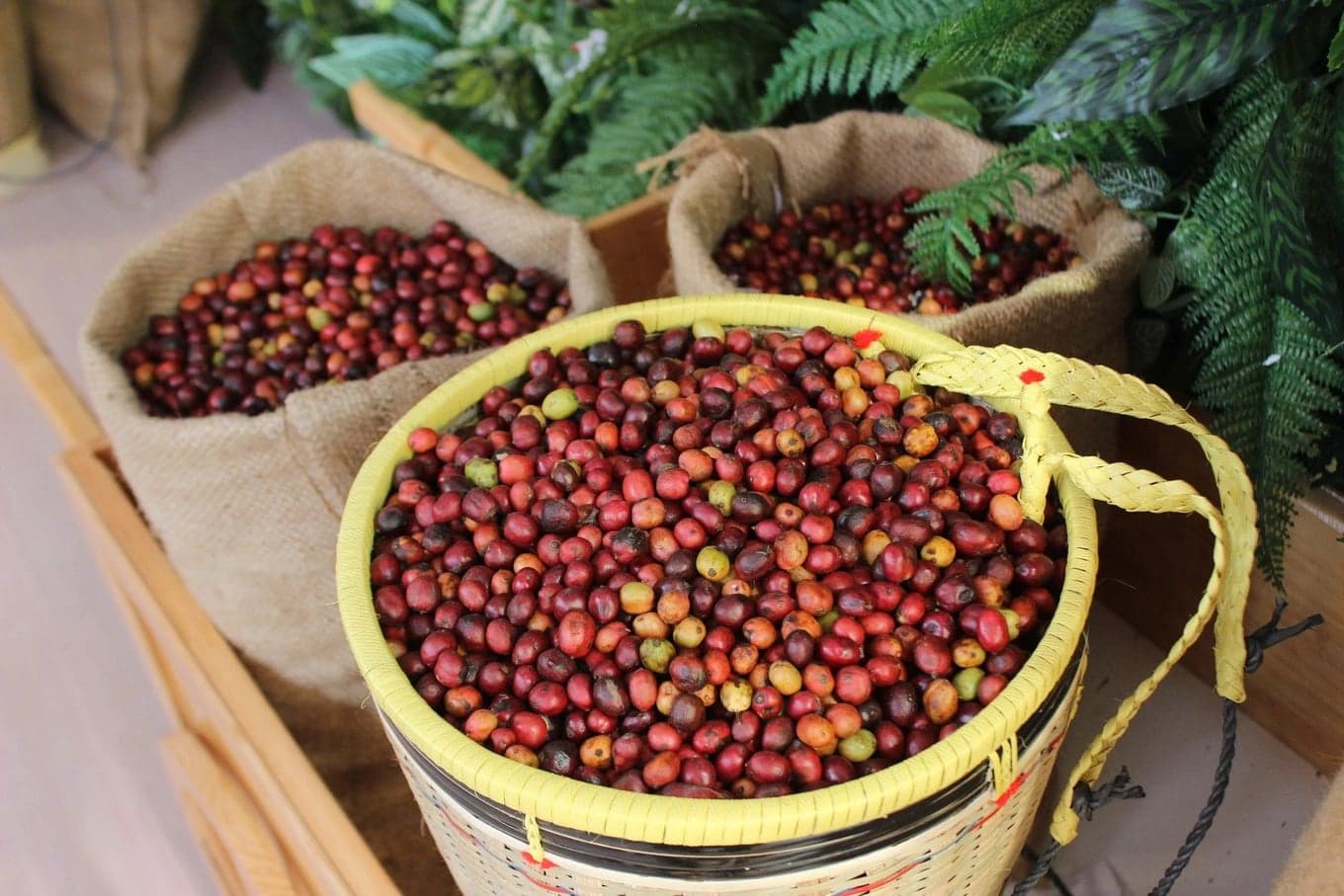
Domestic coffee prices in Vietnam continue to fall as the Central Highlands enters a new harvest season. Many buyers and farmers are still storing coffee and are not rushing to sell.
Speaking to Dân trí on November 3, Nguyễn Quốc Thảo, who runs a coffee-buying business in Bảo Lâm commune, Lâm Đồng province, said he had been buying the new crop for nearly a month. He has bought 45 tonnes of fresh coffee. After buying it, Thảo dries, processes and stores the coffee instead of selling it immediately.
His business pays 17,500 dong per kilogram for fresh coffee. Coffee with a high share of ripe beans sells for 17,800 dong. Thảo refuses coffee with a high share of green beans to avoid encouraging early harvesting, which lowers product quality.
Thảo said he began buying coffee when bean prices were around 92,000–93,000 dong per kilogram. They have now fallen to 83,000 dong. He is not under pressure to sell and is storing the coffee until prices rise.
“I will sell when the price is good,” Thảo said.
During the previous coffee season, Thảo stored about 25 tonnes of beans while waiting for a better price. He sold them only a few months before the new harvest began.
Dân trí reported that since the beginning of November, domestic robusta prices have moved below 90,000 dong per kilogram. Sales remain limited even though many farms have started harvesting the new crop.
Coffee prices continued to fall to 84,000–84,500 dong per kilogram. Lâm Đồng had the lowest price in the region, at 84,000 dong per kilogram, down 200 dong from the previous week.
Meanwhile, robusta and arabica prices on international exchanges recovered at the same time. On the London exchange, the November robusta contract rose by 79 dollars per tonne at the close of trading on November 2, reaching 3,256 dollars.
The January 2027 contract rose by 37 dollars to 3,241 dollars per tonne. The March 2027 contract rose by 34 dollars to 3,227 dollars.
What could happen to prices in the new coffee season?
At a recent conference reviewing the 2025–2026 coffee season, a representative of the Vietnam Coffee and Cocoa Association (VICOFA) said that, unlike the fast changes on international exchanges, coffee prices in Vietnam, especially in the Central Highlands, tend to move with a delay and have shown resilience to global market shifts.
VICOFA Vice Chairman Thái Như Hiệp said that in recent years farmers have usually sold a small part of their crop after harvest to cover expenses and invest in the next season. They store most of the remaining coffee and sell it when prices improve.
As a result, coffee supplies do not reach the market all at once after the harvest. They are released over time, depending on price movements and growers’ financial needs.
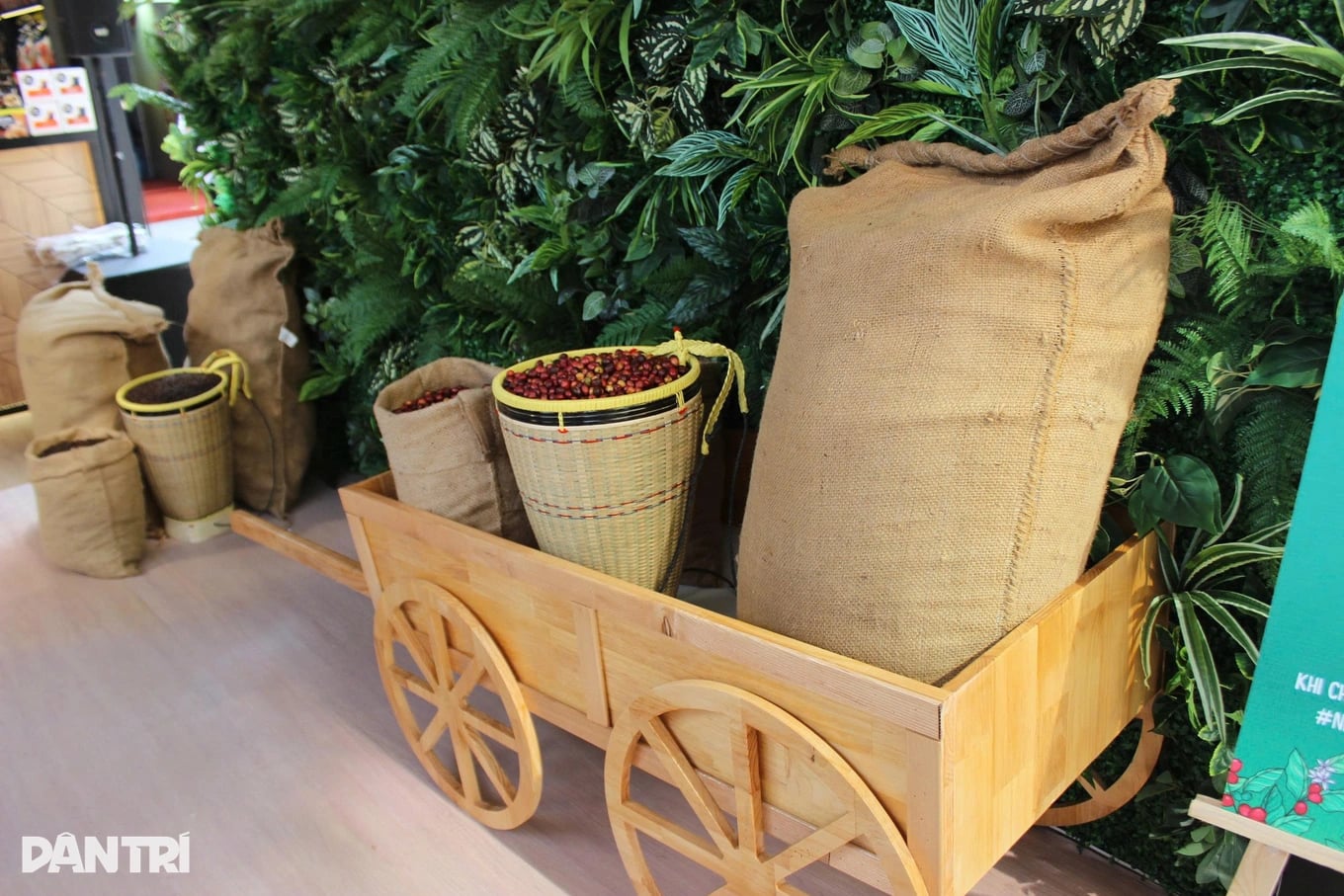
This practice of waiting for higher prices can also tighten actual market supply at times and affect domestic price movements.
According to VICOFA, coffee prices in the 2025–2026 season were affected by several factors, including changes in the supply-demand balance, higher supplies from Brazil and expectations for Vietnam’s new harvest.
Brazil exported more than 4.15 million bags of coffee in August, up 31%. In September, exports exceeded 2.3 million bags, up 39% from the same period a year earlier.
The wait for Vietnam’s new harvest has also made market trading more cautious and added pressure on prices.
Brazil, one of the world’s largest coffee suppliers, is expected to produce a record crop in the 2026–2027 season. Brazil’s National Supply Company (Conab) estimates production at 67.6 million 60-kilogram bags, up 19.6% from the previous season.
Arabica production is expected to reach 48.2 million bags, up 34.8%. Robusta production is forecast to fall 6.6% to 19.4 million bags because of a period of locally low temperatures in Espírito Santo state.
Forecasting company StoneX has issued a higher estimate, saying Brazil’s coffee production could reach 77.2 million bags, up 23.9% from the previous season and setting a new record.
VICOFA Vice Chairman Đỗ Hà Nam said coffee had reached peak prices over the past several years, so a possible future decline could be explained by market forces. Vietnamese coffee farmers are not under pressure to sell. Instead, they keep coffee at home as an asset and sell only when needed. He said falling prices would not be a major concern in the next season.
Sources: Dân Trí

