
Technology is seen in Vietnam as a tool for unlocking cultural potential, while intellectual property is recognised as a foundation for the sustainable development of creative values.
Resolution No. 80-NQ/TW, issued by the Political Bureau on January 7, 2026, on the development of Vietnamese culture, identifies science and technology, innovation and digital transformation as key drivers of cultural development.
The orientation calls for technology to be used to develop and spread cultural values, as well as for technological advances to create new cultural products and values.
Combining technology with a creative approach is helping familiar cultural materials reach wider audiences and giving traditional cultural values new expressions.
3D mapping, virtual reality and light art have created new visitor experiences at heritage sites such as the Van Mieu and Quoc Tu Giam complex, the Thang Long Imperial Citadel and the Hue Imperial Citadel. These technologies help create attractive tours with economic, cultural and educational value.
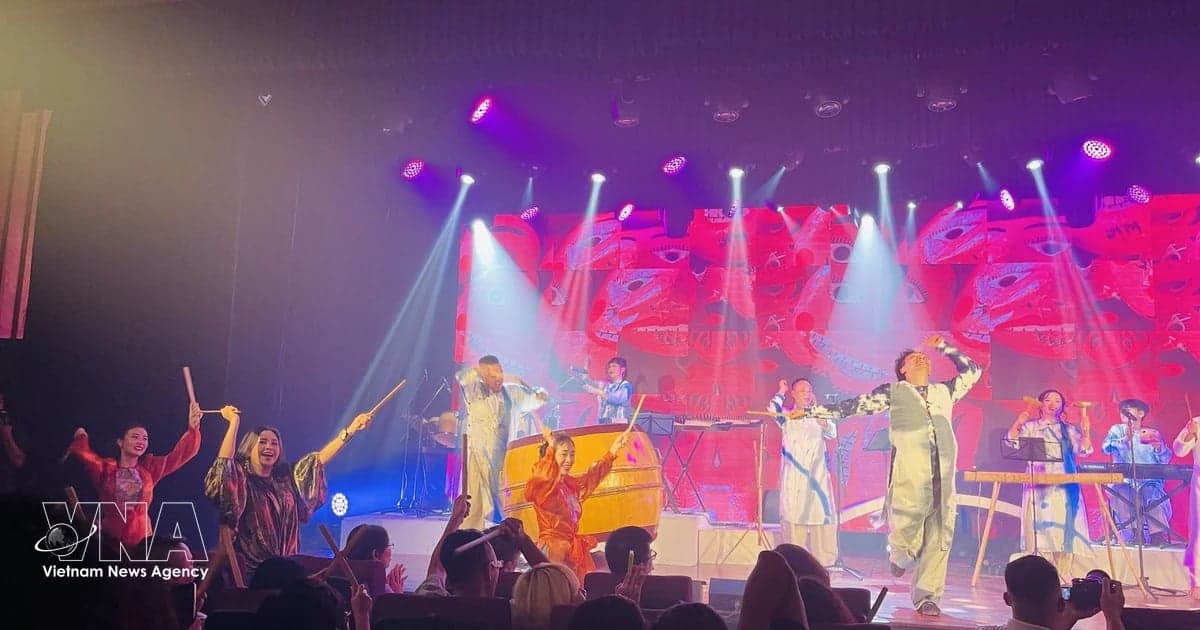
Young artists are also giving traditional art forms new expressions, including cheo, Vietnamese traditional opera, xam, the singing of traditional blind street performers, and quan ho, or love duet singing. They are seeking to attract contemporary audiences.
Digital platforms are helping cultural products reach wider markets and generate additional revenue. Music television programmes such as "Anh trai vuot ngan chong gai" ("Call me by fire") and "Anh trai say hi" have expanded into concert shows, concert films and related commercial products.
These examples show how cultural values can become intellectual property across different platforms and create new opportunities for the creative economy.
Lawyer Tran Thi Tam, director of IPCOM Vietnam, said cultural intellectual property includes creative works that can be commercially exploited in sectors such as entertainment, cinema, consumer goods and tourism. Technology helps expand their reach and competitiveness.
Cultural products, from films, music and performances to festivals, tourist destinations, craft village products and handicrafts, may be protected through different types of intellectual property rights, including copyright, related rights, trademarks, trade names and geographical indications.
Nguyen Thi Hoang Lan, director of the Authority of Electronic Information and Digital Transformation under the Ministry of Culture, Sports and Tourism, said cultural resources could generate lasting economic value only when developed through a complete value chain linking heritage holders, creators, technology providers and businesses.
She called for a value chain covering the identification of cultural origins and rights holders, creative development, commercialisation and benefit-sharing. Lan also stressed the need for closer coordination among cultural stakeholders, creative professionals, technology providers and businesses, with the State acting as a facilitator.
The Vietnam Green Dragon Awards 2026 was recently launched to connect creators with businesses, technology and markets, support cultural innovation and contribute to the development of the country's cultural industries and soft power.
The awards focus on four pillars: Creativity, Technology, Experience and Impact. They will honour initiatives, products and cultural intellectual property that renew heritage through contemporary ideas and technology. Eligible fields include arts, music, design, tourism, STEAM education and technology-based cultural digitisation. The awards ceremony is scheduled for January 2027.
Sources: VietnamPlus / Vietnam News Agency

