
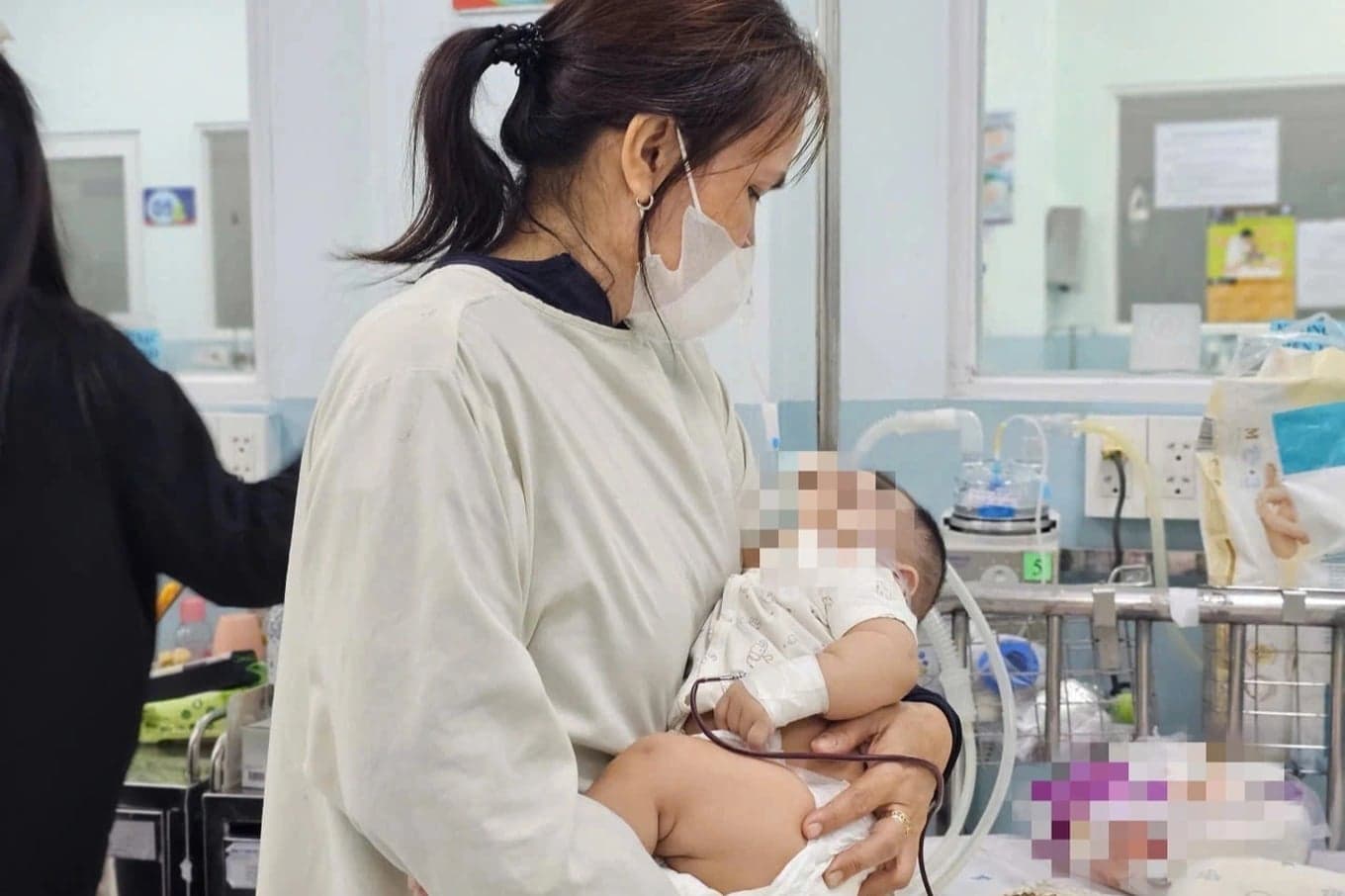
Children's hospitals in Ho Chi Minh City have begun recording an increase in patients with respiratory tract illnesses at the end of the year.
Doctors say this pattern is common from October to December, when changing weather and high humidity create favourable conditions for viruses and bacteria to develop and spread.
Respiratory illnesses rise with the season
The Respiratory Department at Children's Hospital No. 1 in Ho Chi Minh City is currently treating about 300 children. It receives another 60 to 80 new paediatric patients on average each day. The number of cases is slightly higher than during the same period last year, but no unusual developments have been recorded.
Among children with respiratory illnesses, those under 12 months often develop bronchiolitis caused by respiratory syncytial virus, or RSV.
Dr Du Tuấn Quy, head of the Infectious Diseases and Neurology Department at Children's Hospital No. 1, said RSV is one of the leading causes of respiratory tract infections, particularly in children.
Most children have had RSV by the age of two, while adults can be reinfected several times. The virus is especially dangerous for children under six months, premature babies, older people and those with chronic diseases.
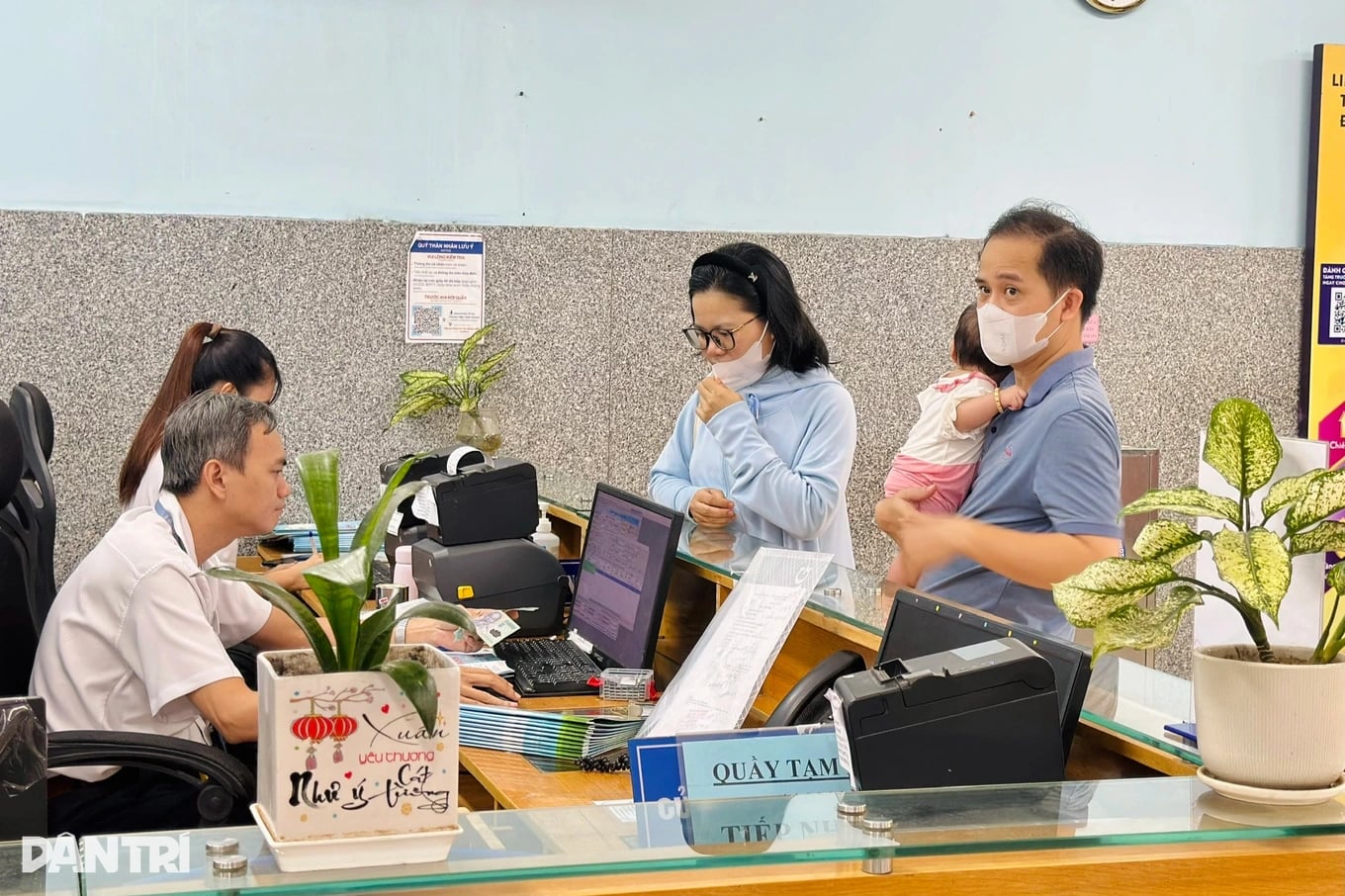
Dr Quy said RSV is mainly transmitted through respiratory droplets and contact with contaminated surfaces. When an infected person coughs or sneezes, the virus can spread into the surroundings. It can also survive for several hours on toys, tables, door handles and other frequently touched surfaces.
A healthy person can become infected after touching a contaminated surface and then touching their eyes, nose or mouth.
After an incubation period of about four to seven days, people infected with RSV commonly develop a mild fever, a blocked nose, cough and fatigue. The initial symptoms resemble an ordinary cold, so they are easy to underestimate.
“Some young children do not have a fever, but their illness can quickly progress to the lower respiratory tract, causing bronchiolitis or pneumonia. They may breathe rapidly, wheeze or show chest retractions and need timely treatment,” Dr Quy said.
An RSV infection early in life may also be linked to longer-term respiratory problems. Children who have had a severe lower respiratory tract infection may experience repeated wheezing, need hospital care more often and have respiratory problems in later years.
In older people, especially those with cardiovascular disease or chronic lung disease, RSV can worsen the underlying condition and lead to respiratory failure or other dangerous complications.
Reducing the risk when the weather changes
In addition to RSV, cold rain, changing humidity and temperature differences between outdoor air and air-conditioned rooms can make the respiratory tract more sensitive.
Dr Le Thi Thu Huong, head of the Internal Respiratory Medicine Department at Nhan Dan Gia Dinh Hospital, said changing weather can cause coughing, a sore or irritated throat, hoarseness, nasal congestion, a runny nose, sneezing, increased phlegm or a feeling of heaviness in the chest.
Some people also develop wheezing or shortness of breath. For people with asthma, chronic obstructive pulmonary disease or other chronic respiratory illnesses, these factors can trigger returning symptoms or make the disease harder to control.
The doctor said young children, older people and those with chronic respiratory disease should pay particular attention when symptoms persist, recur or worsen. Rather than only buying medicine to relieve symptoms, patients should see a doctor to identify the cause and receive appropriate treatment.
“People should see an internal respiratory medicine specialist to have their symptoms assessed, identify any illness and receive advice appropriate to their health condition,” Dr Huong said.
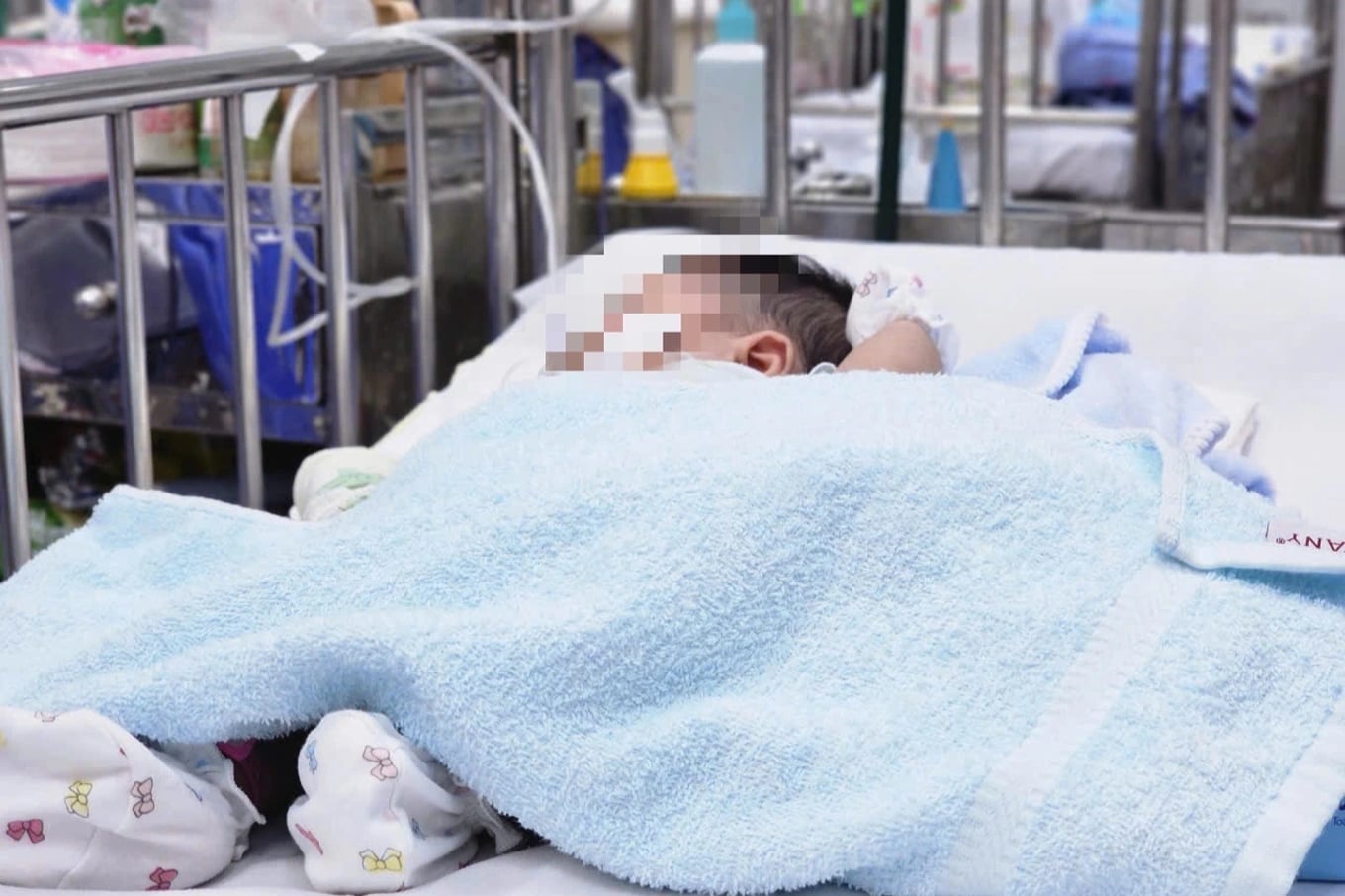
To prevent RSV, Dr Huong said vaccination for pregnant women, when indicated and recommended, may help transfer antibodies through the placenta and protect a baby during the first months of life. Long-acting monoclonal antibodies are another preventive option for eligible children, especially those at high risk, depending on recommendations and availability at medical facilities.
Older people and those with chronic diseases should discuss preventive measures, including suitable vaccines, with a doctor. This can reduce the risk of severe illness and complications.
Families should also wash their hands regularly with soap, clean frequently touched surfaces, limit young children's visits to crowded places and avoid close contact between children and anyone showing signs of cough, fever or respiratory illness.
If a child breathes rapidly, has difficulty breathing, chest retractions, poor feeding, lethargy or blue skin, the family should take the child to a medical facility immediately. Adults with shortness of breath, chest pain or rapidly worsening respiratory symptoms also need urgent medical attention.
Sources: Dân Trí

