
Industry and trade in southern Vietnam maintain growth
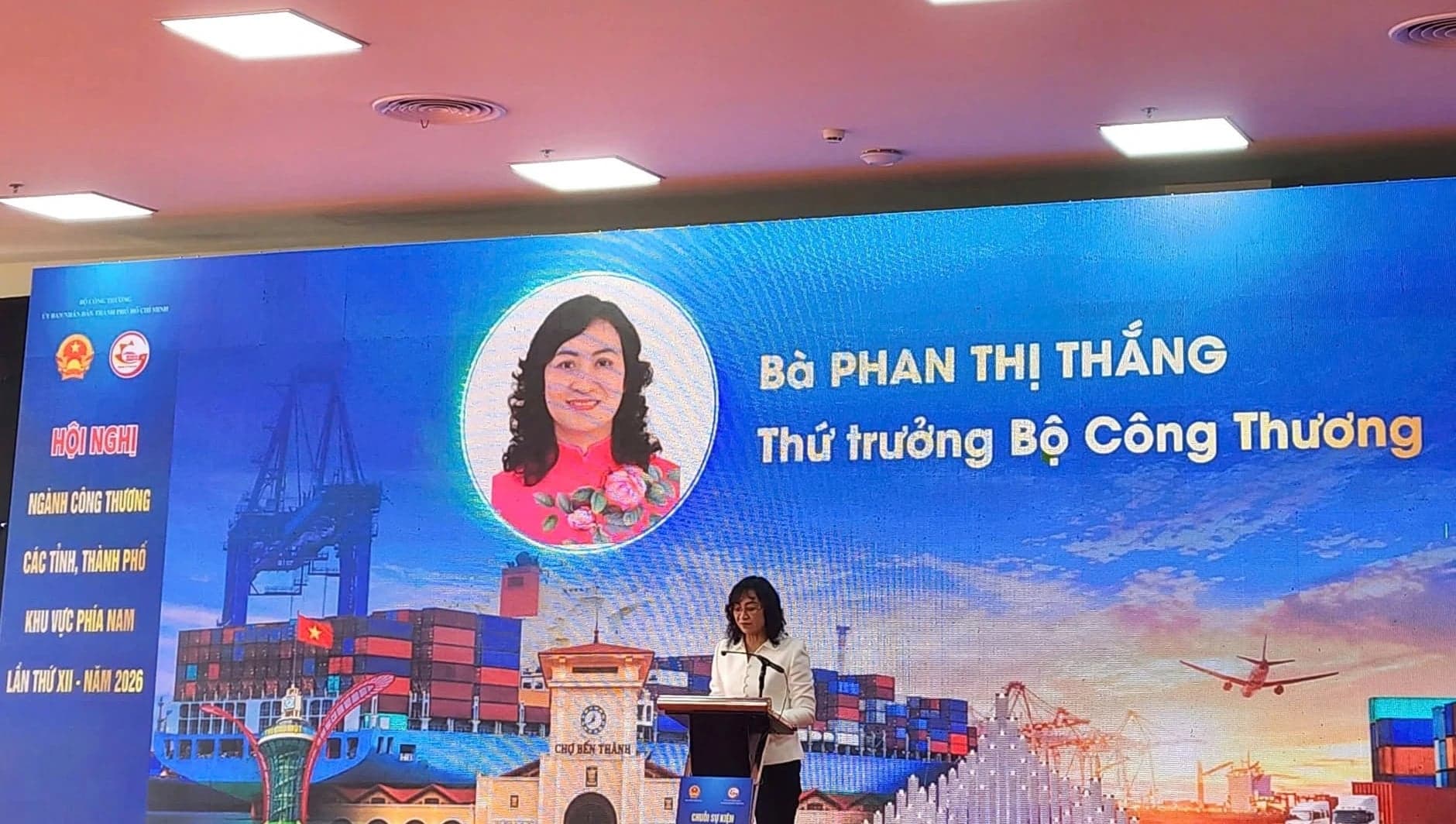
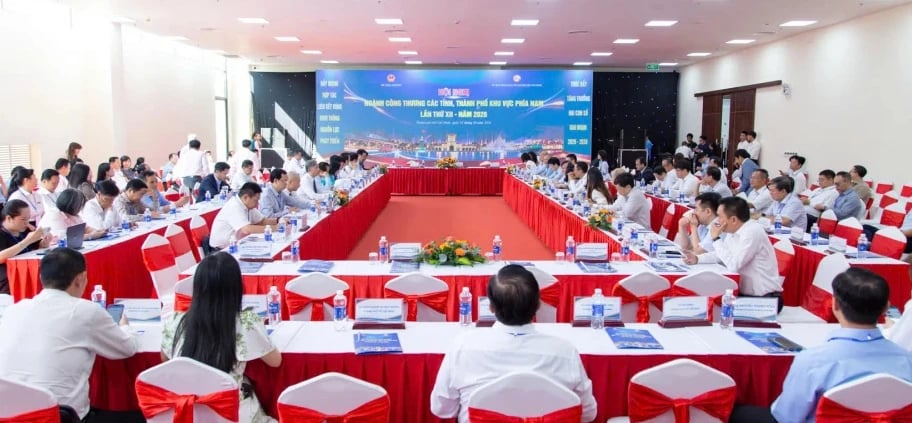
The 12th conference of industry and trade officials from southern Vietnamese provinces and cities was held in Ho Chi Minh City on October 22. It was organized by the Ho Chi Minh City People's Committee, the Ministry of Industry and Trade, its Industry Department and Planning and Finance Department, and industry and trade departments from southern provinces. The meeting focused on strengthening regional cooperation and unlocking resources to support double-digit economic growth from 2026 to 2030.
Deputy Minister of Industry and Trade Phan Thi Thang noted the sector's results after nine months. The region's industrial production index rose 12.9%, above the national average of 12.3%. Retail sales and service revenue totaled about VND2.86 quadrillion, up 16.5%. That was higher than the national increase of 13.4%, and the region accounted for 48.2% of the country's market. Exports reached $138.4 billion, up 10.9% and accounting for 31.9% of national exports.
The region continued to invest in industrial, trade and energy infrastructure. Provinces connected buyers with agricultural and OCOP products, helped businesses use free trade agreements and expanded e-commerce. Examples included data-based market management in Tay Ninh, links between suppliers and distribution networks in Ho Chi Minh City, and new approaches to trade promotion and online sales in Mekong Delta provinces.
The conference noted the southern provinces' strengths in processing and manufacturing, high technology, logistics, agricultural and fishery exports, renewable energy and border trade. Supply and demand connections, trade promotion, centralized promotional campaigns and digital technology supported growth in industry, trade, services and foreign trade.
In 2025, industrial production in five of the region's eight provinces and cities grew faster than the national average of 9.2%. The trend continued in the first nine months of 2026, when six of the eight provinces and cities posted growth above the national average of 12.3%. Tay Ninh led with 15%, followed by Vinh Long at 14.4%, An Giang at 13.7%, Dong Thap at 13%, Ca Mau at 12.7% and Dong Nai at 12.6%.
Retail sales and service revenue reached VND2,858,823 billion in the first nine months, up 16.5% year on year. The region accounted for 48.2% of the national total. Ho Chi Minh City contributed 52.1% of the region's trade and service revenue, followed by Dong Nai, An Giang, Can Tho, Tay Ninh, Vinh Long, Dong Thap and Ca Mau. Every province and city in the region recorded growth above the national average.
The southern region's total merchandise exports were estimated at $138.4 billion in the first nine months of 2026, up 10.9% year on year. The region accounted for 31.9% of national exports. Businesses continued to use tariff preferences under free trade agreements to improve competitiveness and expand their markets.
Region identifies obstacles to growth
The region's export growth, at 10.9%, was below the national rate of 24.5%. The conference also identified slow progress in power-source projects, industrial and industrial-cluster infrastructure, and logistics infrastructure. Other issues included limited localization and deep processing, as well as complicated trade fraud, counterfeit goods and goods of unknown origin online.
Deputy Minister Phan Thi Thang asked ministry units and provincial industry and trade departments to focus in the fourth quarter on seven groups of tasks. They include reviewing targets, preparing a fourth-quarter management scenario and a 2027 plan; removing obstacles and accelerating industrial, infrastructure and energy projects; ensuring energy security, safe power-system operations and fuel supplies; developing the domestic market, stockpiling essential goods and stabilizing the market before Tet; boosting exports, using free trade agreements, expanding markets and improving product quality; continuing administrative reform and helping businesses; and strengthening public-service discipline, leaders' responsibility and the proactive handling of emerging issues.
Nguyen Loc Ha, standing vice chairman of the Ho Chi Minh City People's Committee, said regional links in the south have strategic importance for rapid, sustainable economic development and stronger competitiveness. The final three months of the year are important for meeting annual growth targets and preparing conditions for economic development from 2026 to 2030. Ho Chi Minh City plans to step up trade-promotion programs, supply and demand connections, centralized promotional campaigns, fairs, exhibitions, year-end shopping and trade and tourism events. It will also strengthen coordination with provinces and cities to promote products, connect businesses and expand distribution networks.
Sources: Thanh Niên

