
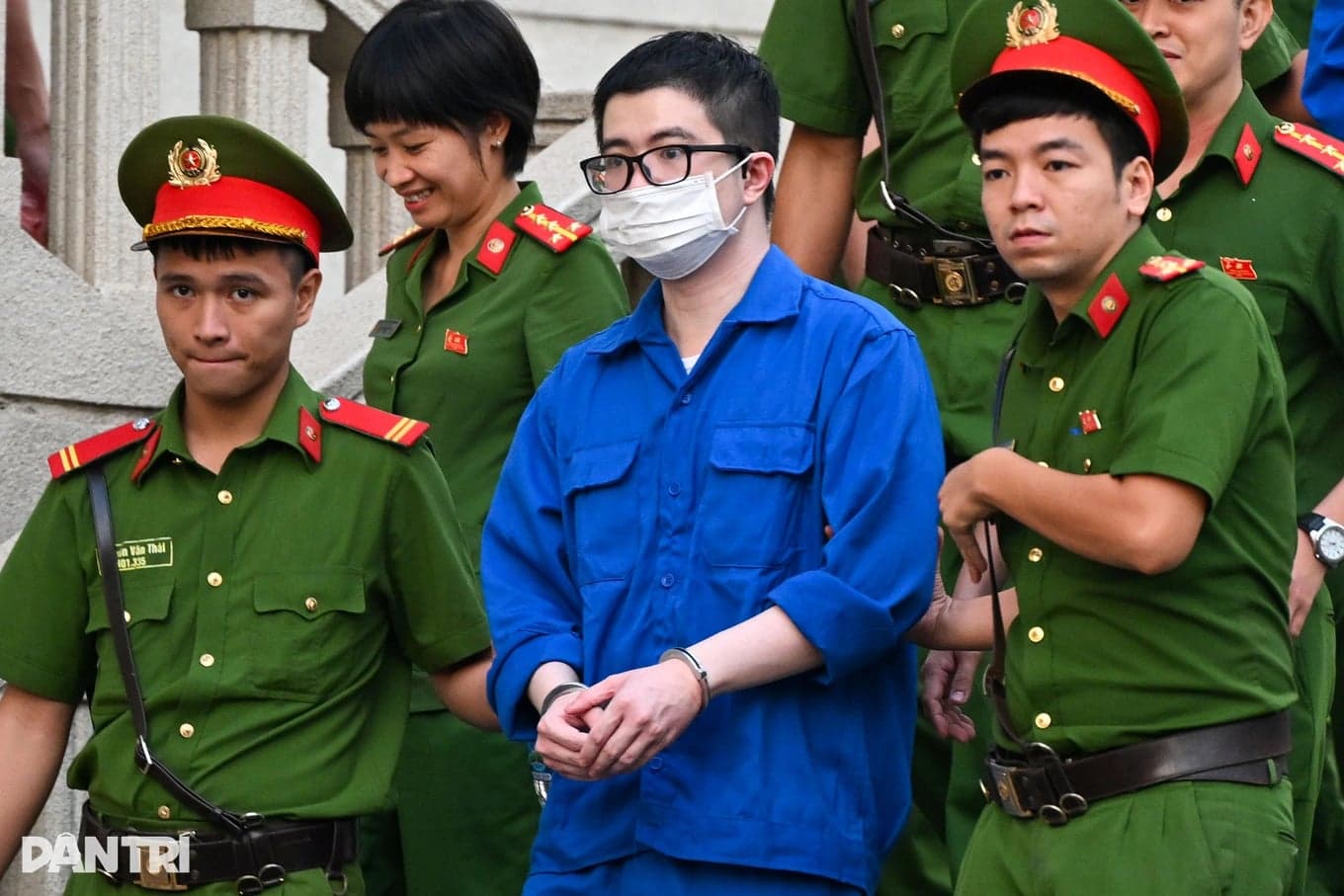
On November 4, the trial of 188 defendants in the fraud and money-laundering case led by Pho Duc Nam, known as Mr Pips, and Le Khac Ngo, known as Mr Hunter, entered the debate stage. Prosecutors described the group’s methods and its alleged taking of nearly VND1.6 trillion from more than 900 victims. Most defendants admitted their offences, the prosecutor said, and the case materials were sufficient to establish the crimes.
The “168 questions” used to persuade investors
The defendants built a multi-layered scheme with divided roles, from advertising high returns and collecting data to contacting customers. Staff without financial expertise followed scripts and presented themselves as representatives of international securities and foreign-exchange platforms.
The leaders prepared a “168 questions” handbook, with at least three prepared responses to each customer answer. The group also used fake accounts and anonymous Zoiper numbers to call customers, send messages and add them on Zalo. Victims were then invited into carefully staged groups where fake experts and successful investors posted profit images, receipts and withdrawal videos.
Small wins first, then collapsing the accounts
Investors were first told to deposit a small amount, allowed to win and sometimes allowed to withdraw money quickly. They were then pushed to increase their deposits while fake experts offered “investment opportunities” and “inside information”. Once a large sum was deposited, the defendants delayed profit withdrawals, gave incorrect orders, advised high leverage or interfered with the platform.
Victims were persuaded to deposit more money to “recover the losses”, while the defendants invented fees for withdrawals, order execution and taxes. Many paid until their finances were exhausted. Their accounts were then locked or unusable, and the “experts” cut contact.

In one case, a victim who lost money on one platform was handed to accomplices who promoted another and promised to recover the funds. A prosecutor called the group a “money-printing machine”: each employee received 1–4% of the customer’s deposit. Prosecutors assessed the conduct as organised crime and said each defendant should share responsibility for the money taken.
Sources: Dân Trí

