
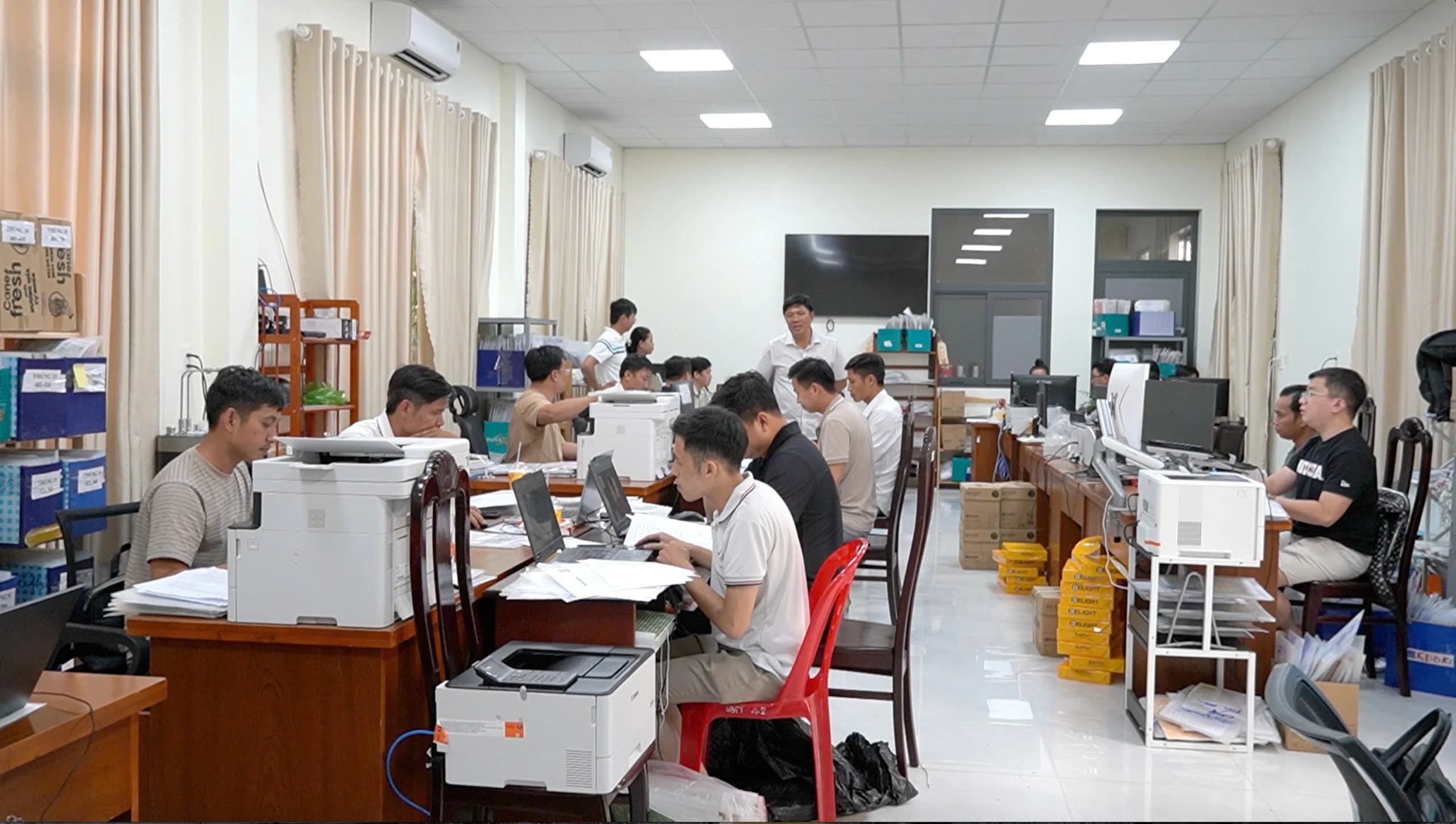
Overdue land cases in Phu Quoc special zone, An Giang province, are complicating preparations for strategic infrastructure projects for the 2027 APEC conference. Island authorities intensified work on applications after an inspection.
The backlog
In the first nine months of 2026, the Phu Quoc special zone's Public Administration Service Centre served more than 60,000 visitors and received over 63,000 administrative files. Land procedures accounted for 4,299 new applications, while 1,366 older files were still pending. The centre receives an average of about 30 new land cases a day, and hundreds of people visit during peak periods.
Although local units worked together to process cases, the public service portal still showed more than 3,000 overdue land files. They accounted for nearly 97% of all overdue files in the special zone. On September 30, An Giang People's Committee Vice Chairman Nguyen Thanh Phong signed document No. 3982, ordering Phu Quoc's leaders to correct the situation and finish processing the files.
Why the cases were delayed
Ngo Minh Tri, vice chairman of the Phu Quoc special zone People's Committee, described the causes of delays at a conference on unlocking land resources in An Giang held in late August 2026. Phu Quoc has 327 active investment projects in planned areas, covering nearly 10,739 hectares, with registered capital above VND503.261 trillion.
Phu Quoc is also preparing to host APEC 2027. The plan includes 21 strategic infrastructure projects, 16 of which require site clearance covering 912.2 hectares. Historical land conditions, legal obstacles and existing infrastructure have made site clearance and land-file processing more difficult.
Land-use patterns on the island changed substantially over different periods. Land cleared for cultivation, informal sales through several owners, protection and special-use forests, and projects with earlier recovery decisions often overlap. Cadastral maps and data from different periods are not always consistent, while some records have not been systematically measured, digitised or cleaned. This makes it time-consuming to establish land origins and identify users.
Past land-price booms led to encroachment, illegal construction and attempts to anticipate compensation for site clearance. The high value of tourism property contributed to prolonged complaints and disputes. By the end of August 2026, more than 6,800 applications for first-time land-use-right certificates were still pending in Phu Quoc. The special zone had also received and handled 532 complaints related to land, compensation, support and resettlement.
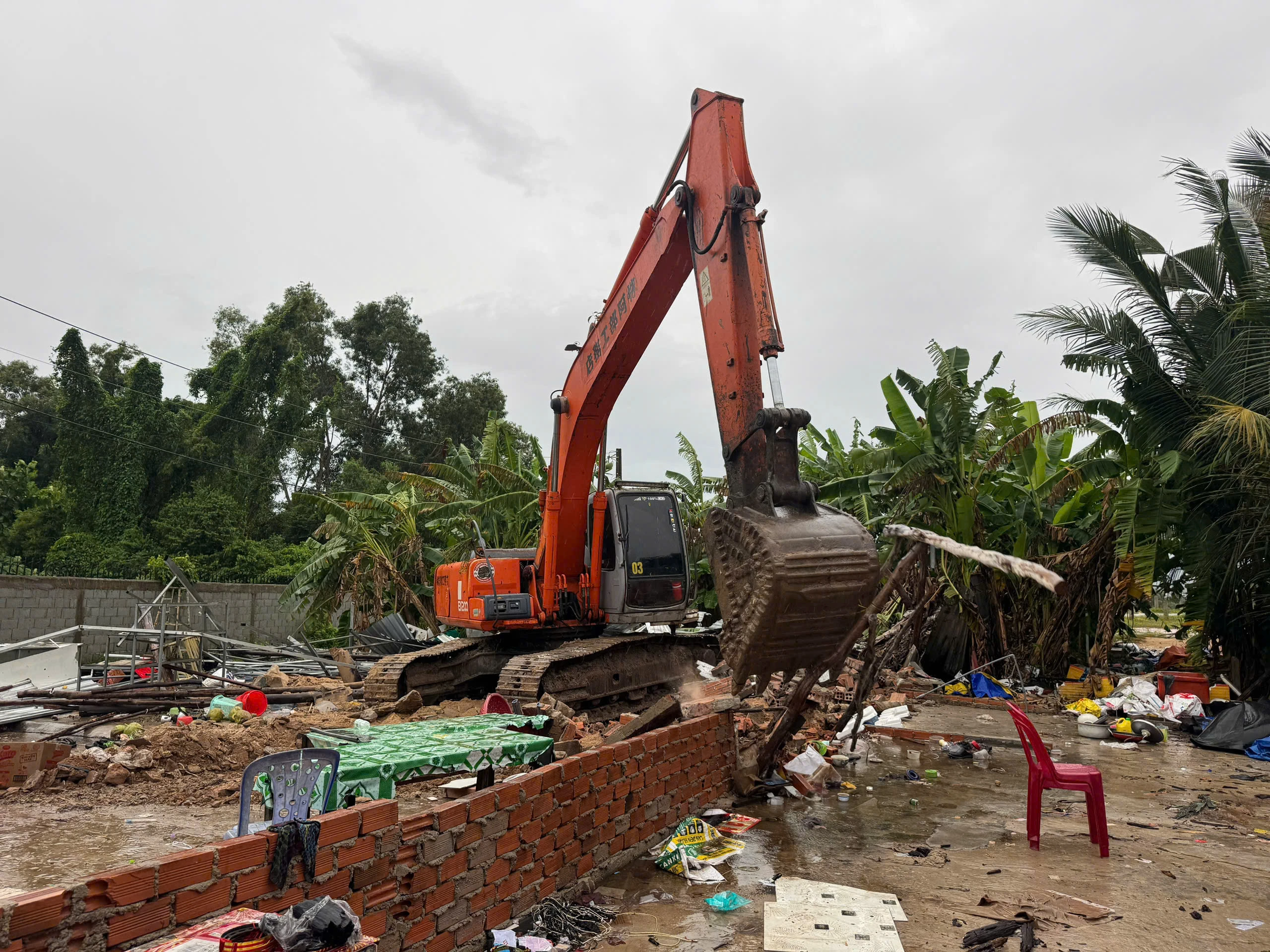
According to the special zone's leaders, Phu Quoc began operating under a two-tier local government model on July 1, 2025. A large volume of files moved from former communes and wards to specialist departments. At the same time, the number of land officers was limited, network infrastructure was often overloaded and staff were learning new procedures. Coordination between specialist departments and provincial agencies was not always smooth. Some officials also lacked the legal capacity to handle complex files, which increased hesitation over responsibility and possible errors in assessing land origins and values.
The response
On October 8, Dinh Van Noi, deputy secretary of the An Giang provincial Party Committee and secretary of the Phu Quoc special zone Party Committee, inspected the Public Administration Service Centre and the unit issuing land-use-right certificates. He ordered the agriculture and environment division to work with the centre and send more experienced staff to guide residents at the counters.

The authorities immediately added staff and equipment to clear the backlog and set a goal of reducing all overdue indicators during October. For applications with complete and valid documents, the processing time was to be cut from 10 days to three.
Officials worked on Saturdays, Sundays and at night. One week after the intensive campaign began, Phu Quoc agencies had fully processed nearly 1,000 of the 3,460 accumulated and overdue land files on the public service portal. Nearly 700 files had been successfully updated in the system; the rest were still being uploaded because of a slow network connection.
Sources: Thanh Niên

