
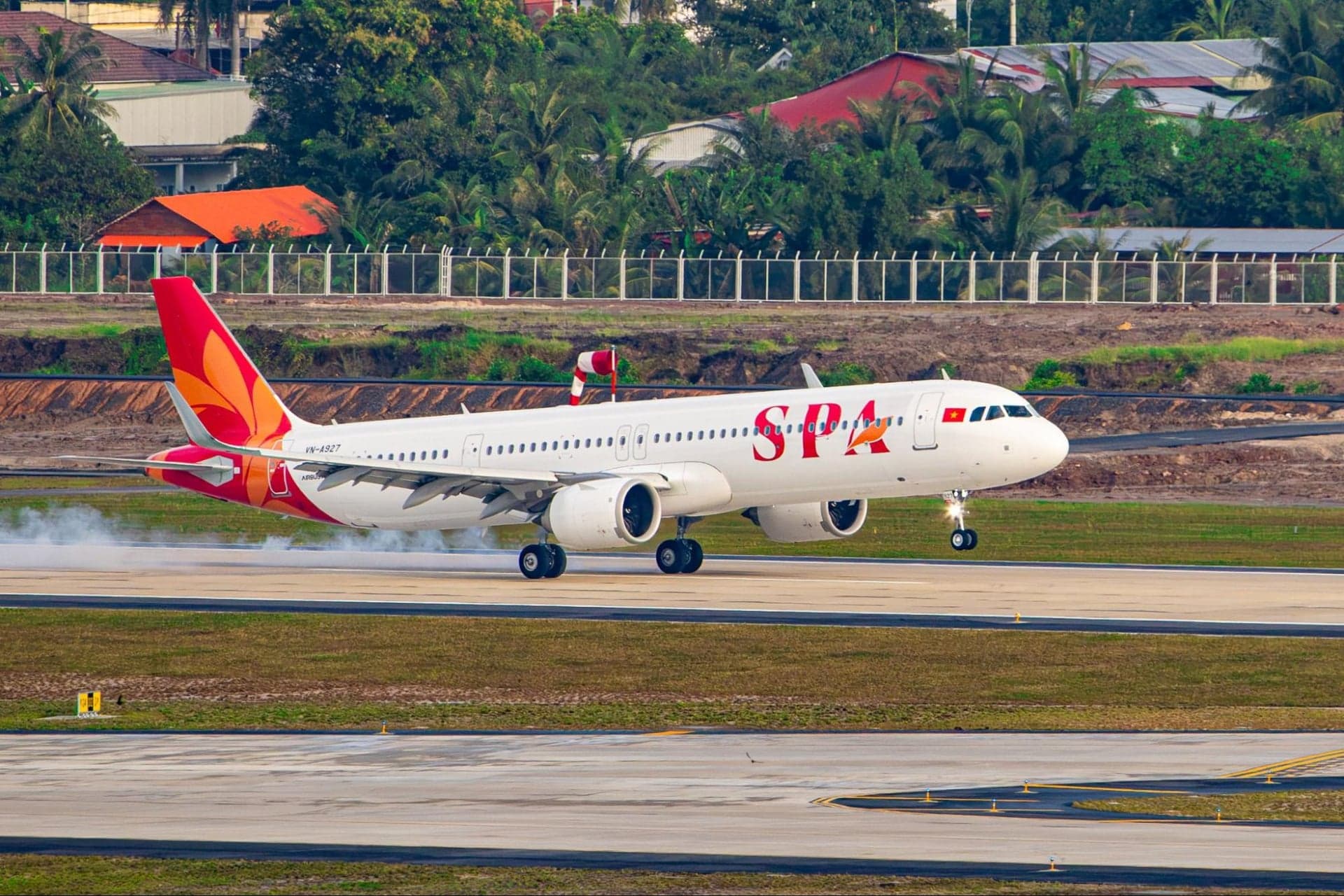
On October 29, runway No. 2 at Phu Quoc International Airport in An Giang province officially received its first commercial flight. The 3,300-meter facility meets ICAO standards and was completed in eight months as part of aviation infrastructure upgrades for the 2027 APEC summit.
At 7:05 a.m., Sun PhuQuoc Airways flight 9G1955 from Ho Chi Minh City landed on runway No. 2. It was the first commercial aircraft to use the facility after construction, technical inspections and a calibration flight. The runway meets ICAO Code E standards and can receive Boeing 787, Airbus A350 and Boeing 777 wide-body aircraft, creating room to expand Phu Quoc's international routes.
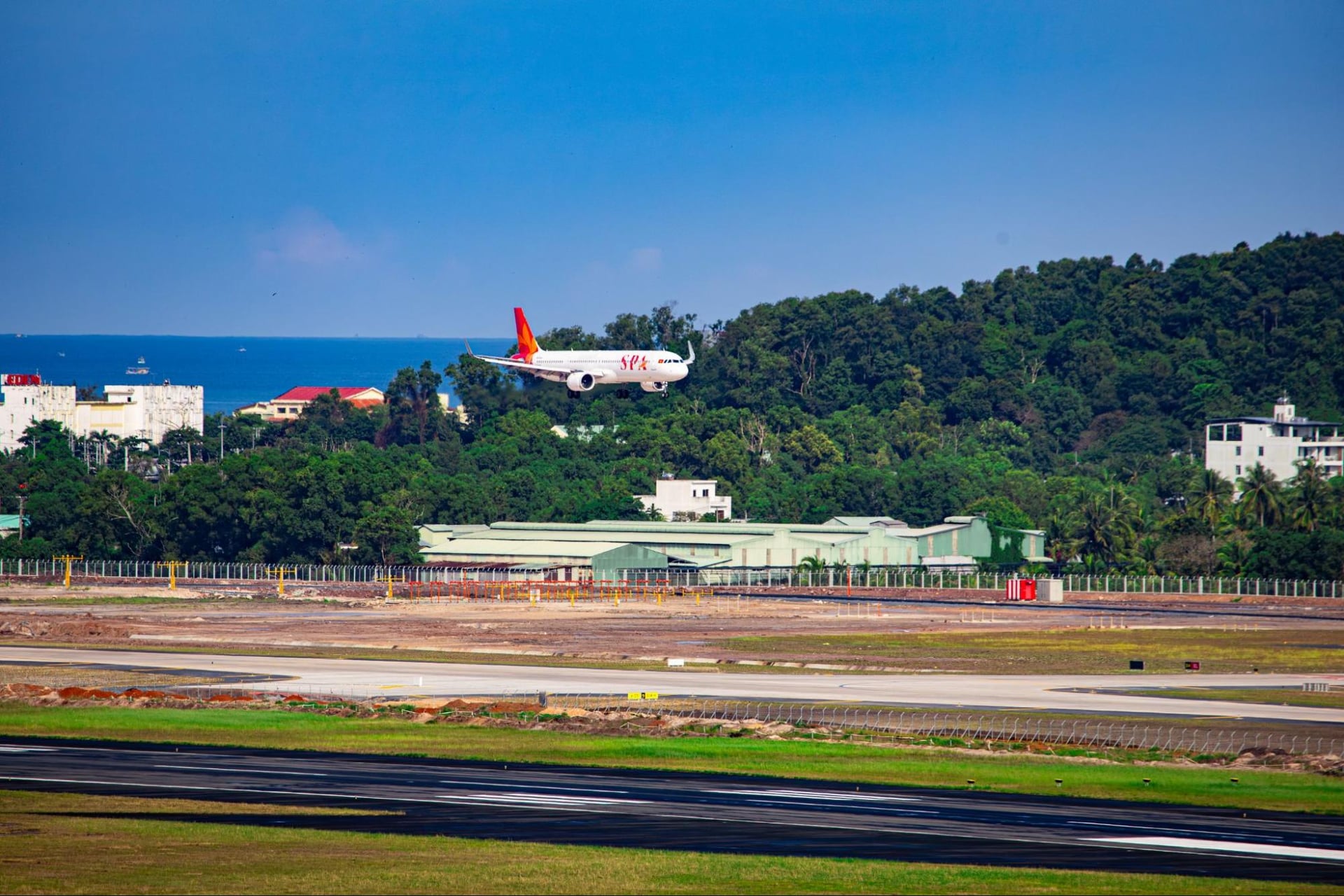
After landing, the aircraft taxied to its parking position. Opening runway No. 2 allows the airport to remain in service while the existing runway is upgraded. Flight frequency is expected to rise by about 34% in winter 2026–2027. Airport director Nguyen Ba Quan attributed the result to authorities, Sun Group, more than 20 contractors and consultants, the ACC aviation construction corporation, and Vietnamese engineers and workers.
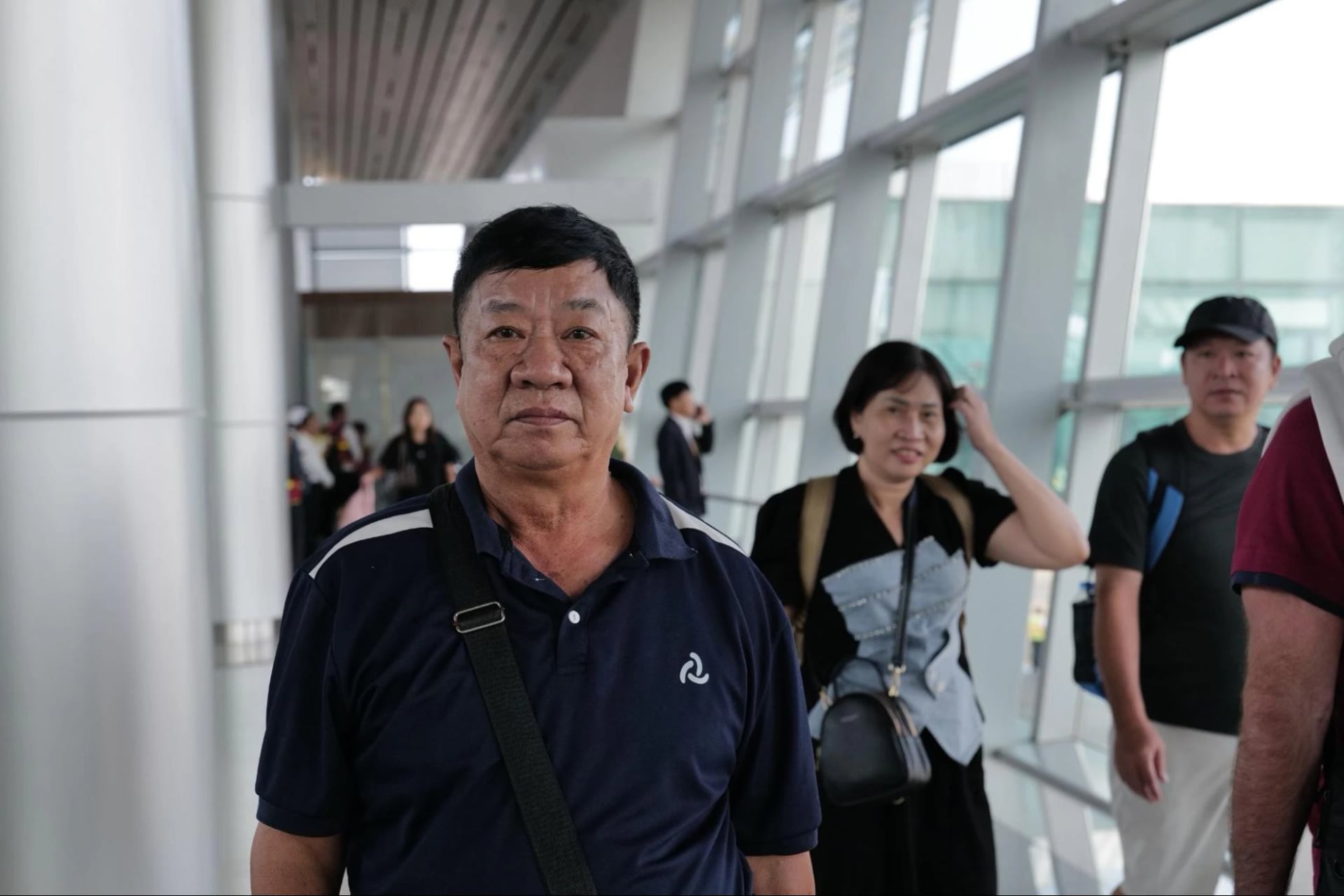
Passengers named Thinh and Huynh Tan Phat described the first flight. Thinh said the airport appeared on a large scale as his aircraft descended and praised the attentive service, especially toward children. Huynh Tan Phat from Da Nang traveled with a family group of 11 from Ho Chi Minh City. He was impressed by the infrastructure, investment scale and service, and by plans to use the facility for special flights during APEC 2027.
Runway No. 2 is part of the Phu Quoc airport expansion project and is designed for modern aircraft. Before operations began, engineers checked and cleaned the pavement, removed leftover materials and inspected the technical facilities. Markings for the touchdown zone, centerline and pavement limits help pilots determine direction and position during takeoff and landing.
The runway has aviation lighting, ILS/DME precision approach equipment and CAT II lights. These systems support approaches in limited visibility. The runway connects to taxiways and the apron, and the airfield is being prepared for flexible use of two runways for scheduled, charter and special flights during the 2027 APEC Leaders' Week.
Materials were mainly transported by sea. Construction was complicated by the island location, changing weather and a labor shortage. The airport continued operating, while flight volume rose about 45% from the same period a year earlier. More than 6,000 engineers and workers were deployed across the project in three shifts and four teams. Runway No. 2 underwent inspection, assessment and a calibration flight before approval.
Sun Group is accelerating work on passenger terminal T2, which is expected to open in May 2027. Singapore's CPG Consultants designed it. The terminal will include biometric identification, self-service check-in and automated baggage handling, with a design inspired by the firebird phoenix.
After runway No. 2 opens, existing runway No. 1 will be upgraded from 3,000 to 3,500 meters and widened to 75 meters. This is intended to allow Code F aircraft such as the Airbus A380-800 and Boeing 747-8F. The airport is expected to operate both runways from May 2027.
Runway No. 2, the taxiways, apron, T2 terminal and VIP terminal are major parts of Sun Group's project. The first phase targets capacity of 24 million passengers a year, with a long-term expansion to 50 million. Nguyen Ba Quan said the coordinated operating plan should ensure safe, uninterrupted handling of modern wide-body aircraft and special flights during APEC Leaders' Week in 2027.
Sources: Thanh Niên

