
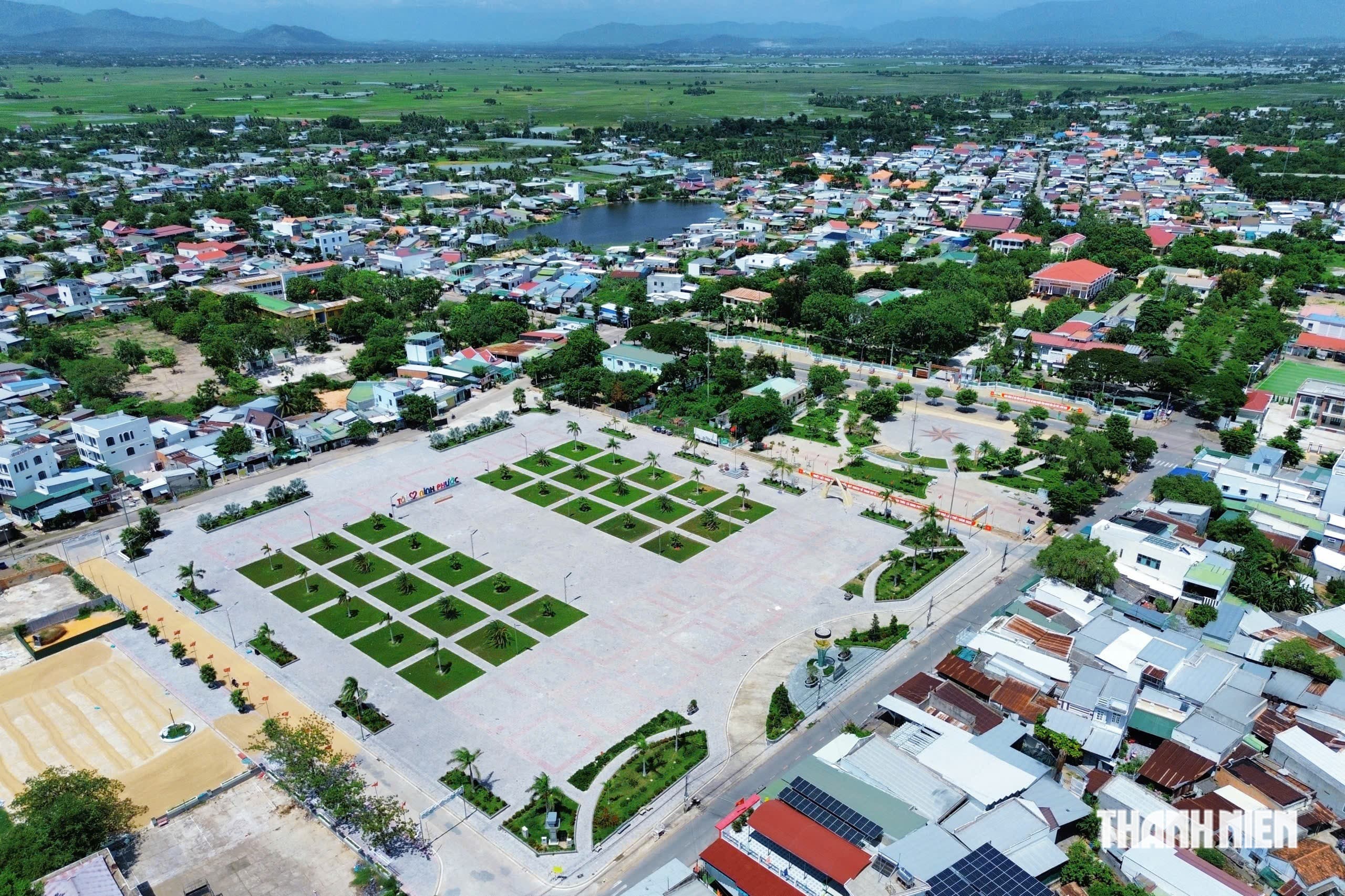
After the project was approved, Ninh Phuoc in Khanh Hoa Province was planned as a cultural heritage city built around Cham culture, traditional crafts and festivals.
The Khanh Hoa Provincial People's Council approved a project to recognize Ninh Phuoc as a class III urban area and agreed to establish a ward on the existing commune's territory. The proposal was supported by 90.42% of households, while all attending commune People's Council delegates voted for it.
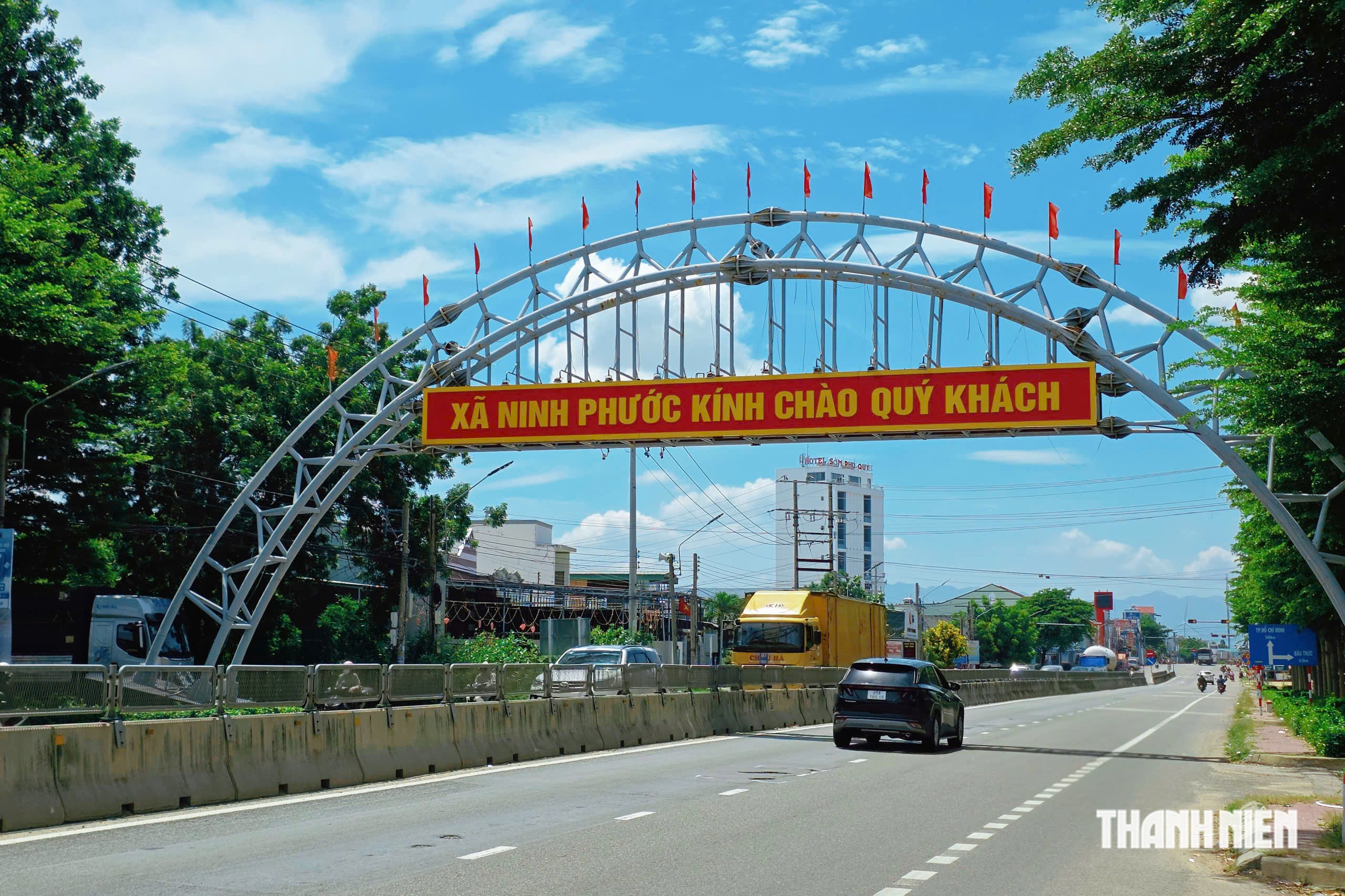
Ninh Phuoc Commune was formed on July 1, 2025, by merging Phuoc Dan town and Phuoc Thuan and Phuoc Hai communes from the former Ninh Phuoc District of Ninh Thuan Province. It covers 65.36 square kilometers and has 71,033 residents. Phuoc Dan, established in 1993, served as the district's administrative, economic and cultural center for more than 30 years and was already a class III urban area. Ninh Phuoc meets all five criteria for a ward.
Services account for more than 40% of the economy
In 2025, the commune's total product value exceeded VND2.902 trillion. Services accounted for 40.08%, industry and construction for 32.51%, and agriculture, forestry and fisheries for 27.4%. More than 70% of workers were employed in non-agricultural sectors. The hot, dry climate supports vineyards, apple orchards, asparagus and shallot farms, as well as wind and solar power.
Ninh Phuoc lies along National Highway 1, Provincial Road 703, the North-South railway and the Cam Lam, Vinh Hao expressway. The commune has 110.52 kilometers of urban roads, and all residents receive clean water through a centralized system.
Ninh Phuoc has a regional medical center with 200 beds and Ninh Thuan Lung Hospital with 80 beds. Twenty schools from preschool to lower secondary level serve more than 11,000 students, alongside An Phuoc and Nguyen Hue high schools.
Under the ward proposal, Ninh Phuoc is intended to become an administrative, trade and services, industrial and energy center for the southern part of the province. It lies on an energy and seaport corridor linking Phan Rang, Ninh Phuoc, Thuan Nam and Ca Na. Key projects include the roughly 20-hectare Phuoc Dan industrial cluster, wind power facilities in former Phuoc Hai Commune and new residential areas.
Local authorities are continuing to invest in and upgrade roads 710 and 708, the My Nghiep, Tu Tam route, the extension of Nguyen Hue Street and Nguyen Viet Xuan Street. They are also reinforcing the banks of the Lu River and improving the Quao River drainage route.
Quang Thuc Doan, chairman of the Ninh Phuoc Commune People's Committee, said that after the ward is established, the locality will focus on infrastructure, trade, services and industry linked to sustainable agriculture. It also plans to accelerate administrative reform and digital transformation.
Cham cultural heritage
The provincial resolution identifies Cham cultural identity as Ninh Phuoc's particular strength. The urban development plan therefore links growth with the preservation and promotion of traditional cultural values.
The best-known site is Bau Truc pottery village, which preserves Cham pottery-making and was inscribed by UNESCO in 2022. The commune also has My Nghiep brocade village, the Kate and Ramuwan festivals, eight listed heritage sites, the Thanh Tin ancient Cham well, the Bau Truc pottery exhibition house and Ninh Phuoc Square, which covers more than 24,000 square meters.
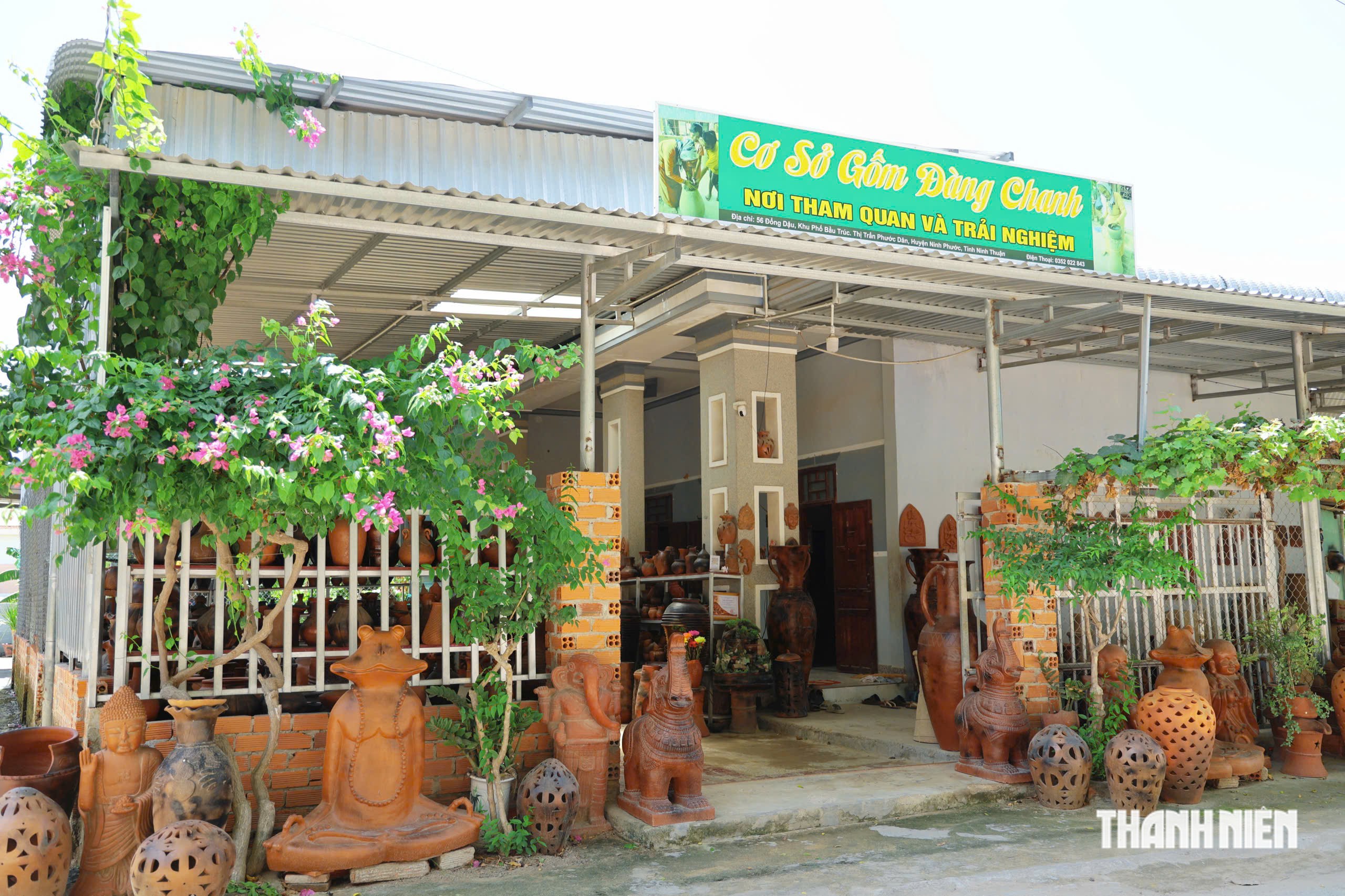
Community tourism in the pottery village has developed since 2018. Its community tourism group has more than 40 members. The village supplies more than 17,000 pottery products each year and provides jobs for 400 to 500 people. From Ninh Phuoc, visitors can reach Po Klong Garai Tower, Ninh Chu Beach and Nai Lagoon. Vineyards and apple orchards are additional destinations.
Quang Thuc Doan said Bau Truc pottery village, My Nghiep weaving village and other Cham cultural values could support cultural and community tourism. Local authorities plan to help artisans pass their skills to younger people, support cooperatives in diversifying products and improve promotion.
From 2026 to 2030, Ninh Phuoc plans to complete its urban planning, manage architecture and attract investment in technical and social infrastructure. It also aims to develop a modern, green and sustainable ward while preserving Cham culture, traditional crafts and other heritage values.
Sources: Thanh Niên

