
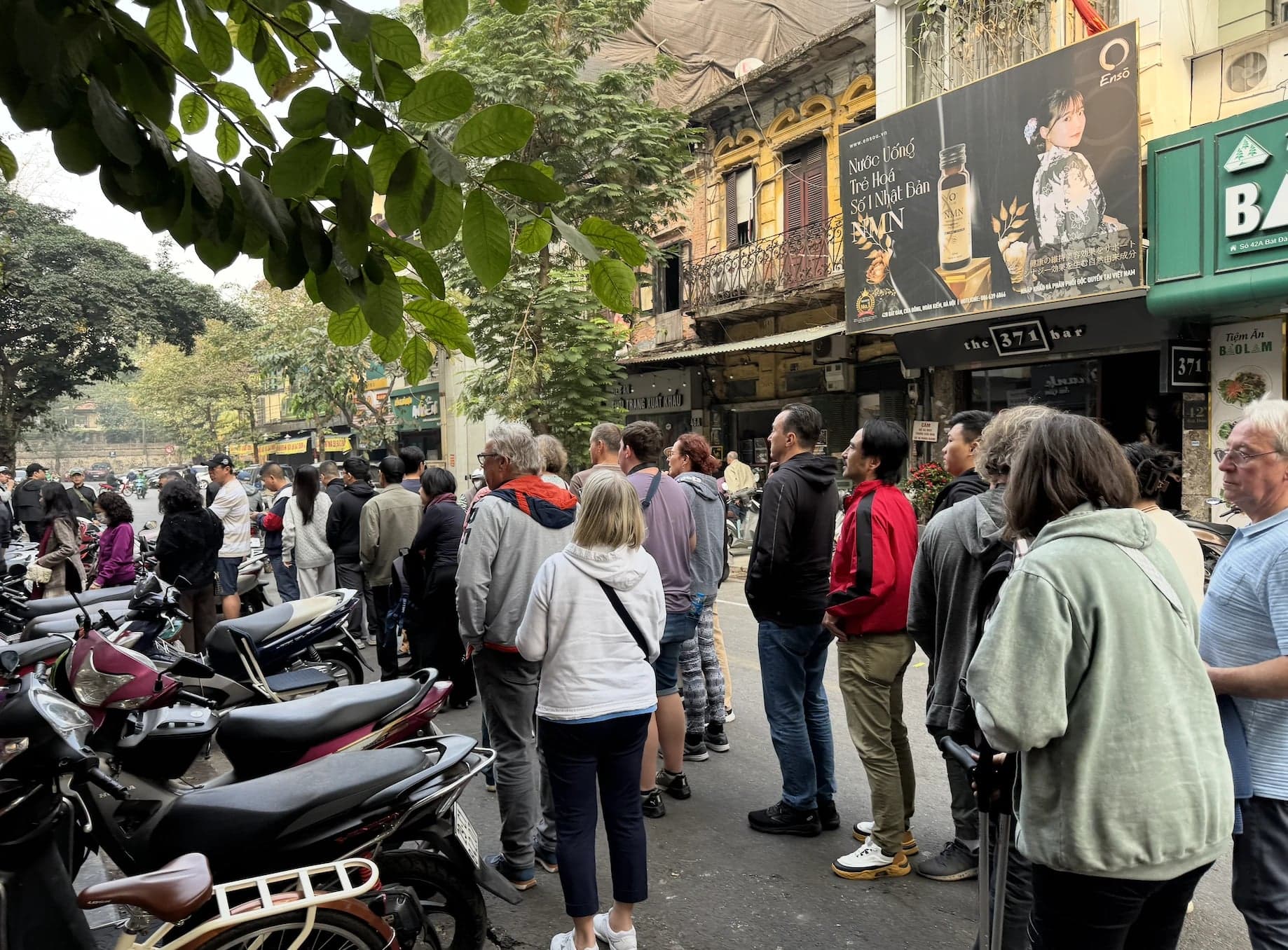
The British travel magazine National Geographic Traveller introduced an early-morning food route in Hanoi in an article titled Follow Hanoi's Breakfast Trail for a Feast Before Sunrise by Natasha Bazika. Instead of visiting famous restaurants or familiar tourist sites, the writer followed a local chef on a journey that began at about 4 a.m.
The first stop was the area around Dong Xuan Alley. While much of the city was still asleep, vendors were already lighting stoves, preparing broth and sorting ingredients. The traders' conversations and the smell of simmering broth offered a different view of Hanoi before sunrise.
The group then went to Long Bien wholesale market, where it watched goods, vegetables, fruit, meat and fish being brought in, sorted and sent to restaurants and eateries across the city. Visitors also learned how Vietnamese people select and use herbs, one of the elements that gives Hanoi cuisine its distinctive flavor.
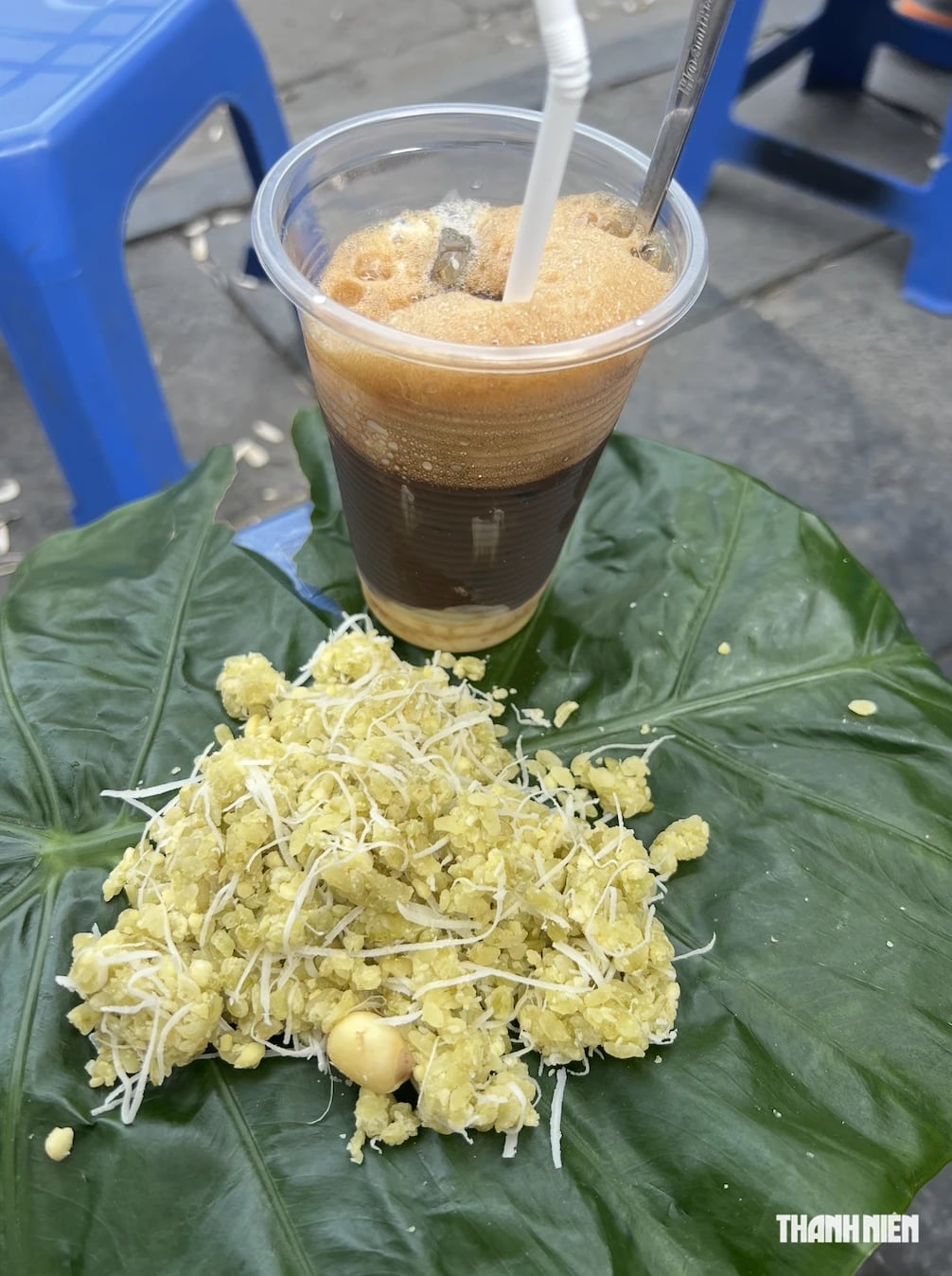
After the wholesale markets, the route continued to small, inexpensive eateries regularly visited by local residents for breakfast.
The dishes included hot banh cuon, thin soft rice rolls filled with meat and wood ear mushrooms, and bun cha with charcoal-grilled pork, fresh rice noodles, herbs and a sweet-and-sour dipping sauce.
Pho bo, a dish that has become a symbol of Vietnamese cuisine, was another stop. Its rich broth, beef and traditional spices create a flavor enjoyed by many international visitors.
The writer also introduced fried squid sausage, mixed sticky rice, bun moc and iced egg coffee. In one morning, visitors can try a range of Hanoi flavors.
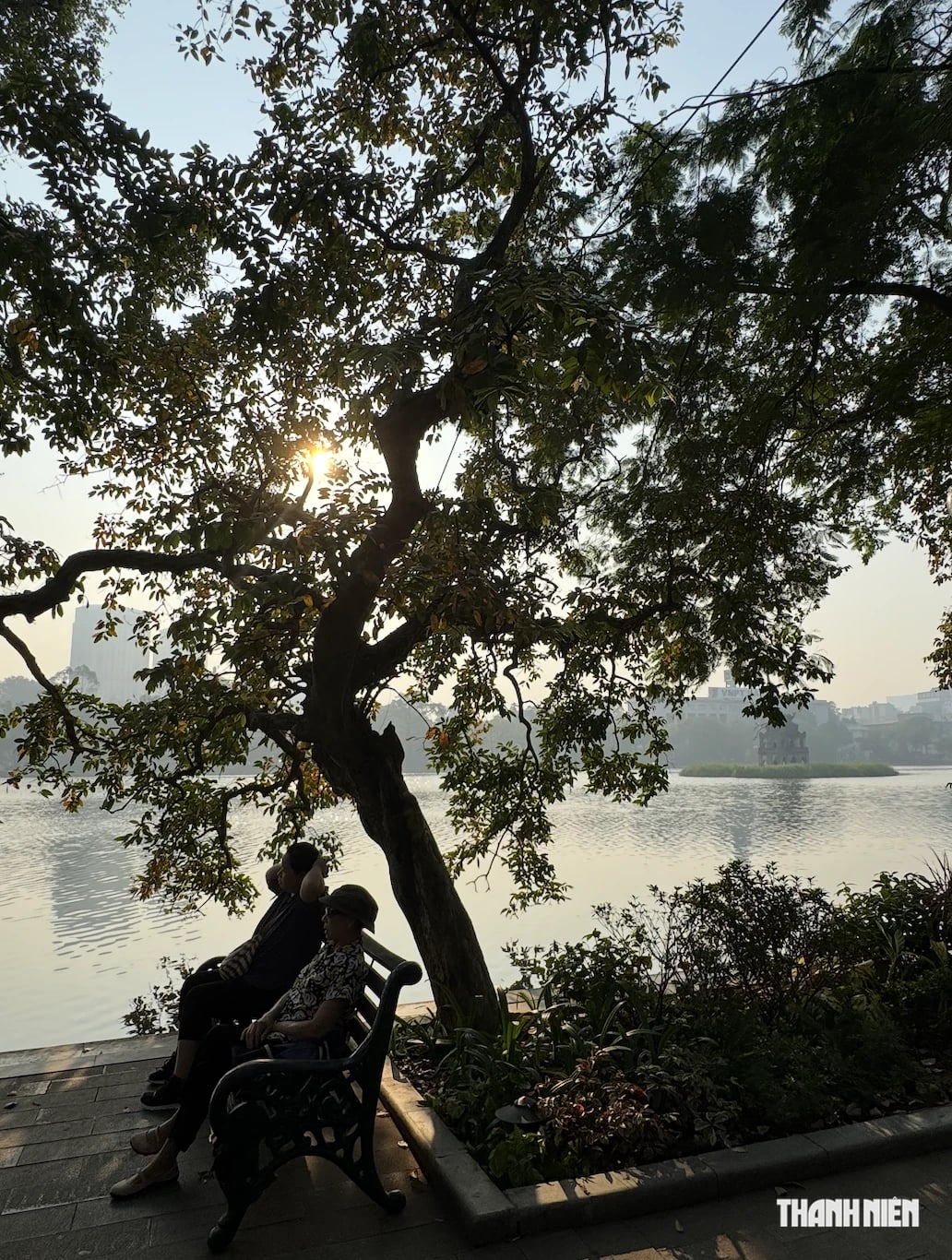
The experience is not limited to the food. Small family eateries, a few plastic chairs by the sidewalk and residents eating before work offer a close look at everyday local life.
By about 8:30 a.m., as the city moved into its daytime routine, many market stalls had closed. The busy scene before sunrise gradually gave way to familiar streets.
According to Vietnam's National Authority of Tourism, food routes connected to local life can help create distinctive tourism products. Visitors can learn about culture, trade and the livelihoods behind each dish, rather than simply tasting local specialties. Developing such focused tours could also help Hanoi diversify its tourism products, draw on the value of traditional markets and introduce Vietnamese food to international visitors.
Sources: Thanh Niên

