
Adoption and child protection
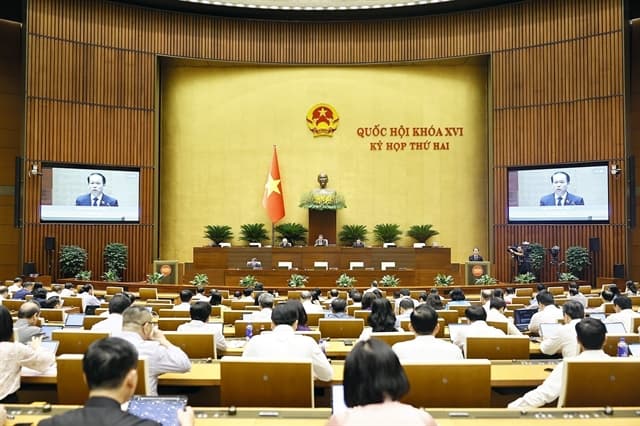
Lawmakers on Monday began reviewing changes to the adoption, lawyer and property auction laws. Justice Minister Hoàng Thanh Tùng presented the three bills, saying digitisation would cut administrative procedures and address problems that had emerged in practice. Lawmakers broadly backed the revisions but asked drafters to clarify provisions.
The adoption bill would restrict adoption to abandoned children, children orphaned of both parents and children with no one to rely on, except in adoptions within extended families. People facing prosecution, serving non-custodial sentences, on conditional early release or given suspended prison terms would be barred from adopting. The ban would also cover anyone ever convicted of serious offences, including violent crimes, incest, drug-related offences and national security offences.
Vũ Minh Đạo of Lai Châu Province backed tighter screening but urged drafters to distinguish intentional from negligent crimes. “The issue is how to guard against the risk of child abuse without setting restrictions so broad that they reduce children’s chances of finding a replacement family,” he said. He asked whether children with living parents who cannot safely live with them because of abuse or neglect would be eligible for adoption.
Other deputies proposed barring anyone administratively penalised for domestic violence or child abuse from adopting. Hoàng Minh Hiếu of Nghệ An said the bill ends care obligations between adopted children and birth parents but leaves mutual inheritance rights intact. He proposed “full” adoption, severing all legal ties including inheritance, and “simple” adoption within extended families, preserving those rights.
Thái Thị An Chung of Nghệ An proposed allowing grandparents to adopt grandchildren in exceptional cases, such as when both parents die in an accident. Grandparents can currently serve only as guardians. Nguyễn Thị Hồng Phượng of Đồng Tháp said same-sex couples are treated as single people when adopting even if both raise the child, and asked for rules on their rights and obligations. She also proposed an upper age limit for adopters.
Nguyễn Việt Thắng of An Giang objected to automatically ending an adoption when both adoptive parents have life-threatening illnesses. He said an adoption should end only if they can no longer care for the child.

Other proposals included considering children’s wishes when several applicants compete, banning gender discrimination and respecting a child’s ethnic origin, language and culture.
Changes for lawyers
The lawyers bill proposes shortening the path to becoming a lawyer from four steps to two. An independent, multi-sector council set up by the justice minister would assess candidates for practising certificates, with the Vietnam Bar Federation’s president as permanent vice chair. The draft also adds standards of political steadfastness and integrity and makes annual training in political awareness and professional skills mandatory.
The bill would enable multi-member limited liability law firms to admit non-lawyers who contribute capital, subject to conditions on firm size, years of operation and capital share. Phan Chí Hiếu, chairman of the Committee on Law and Justice, urged careful consideration or a limited pilot with separate oversight because the proposal touches on professional independence.
The committee asked drafters to assess allowing people with a master's or doctorate in law but no bachelor’s degree to become lawyers. Trần Thị Hồng Thanh of Ninh Bình warned that investors’ profit motives could affect professional judgment and client confidentiality. She proposed capping non-lawyers’ stakes at 30 per cent of charter capital and setting penalties for interference. Lê Thị Nga said capital limits and governance rights should be set in law, while some lawmakers said the Bar Federation should retain its role in the national lawyer exam.
Land auctions
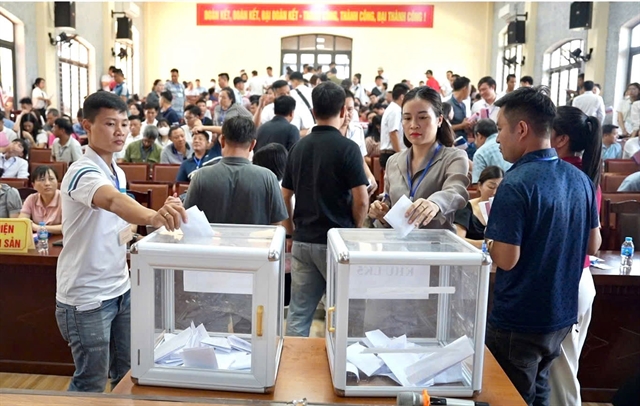
The auction bill would let anyone with a university degree become an auctioneer, rather than only graduates in law, economics and finance, and allow auction firms to be set up under general business law. Individuals would be barred from residential land auctions if they won one and then walked away from the purchase; winners whose violations led to annulled results would lose their deposits.
National Assembly Vice Chairman Nguyễn Hồng Diên backed revisions to improve transparency, curb collusion and price suppression and promote digitisation. He questioned a clause treating attendance as agreement to pay at least the starting price, with a lottery if there were no valid bids. Attendance cannot be presumed to be a bid, he said, so the auction should be declared a failure. If the lottery remains, the law should explain its procedure and what happens to deposits if everyone refuses.
Diên backed higher deposits to deter people from bidding high and abandoning purchases, a problem seen in Hà Nội and other provinces and cities.
He said the proposed 20 to 50 per cent range for land-use-rights sales to individuals could deter genuine users and weaken competition, and asked drafters to justify it with data. Any ban on winners who breach payment obligations should set its duration, grounds, procedures and appeal rights in law and distinguish deliberate violations from force majeure or official mistakes.
Good-faith buyers who have paid and taken possession should be protected if a result is later annulled, Diên said. Clear rules would support stable transactions and public confidence in auctions.
Sources: Viet Nam News

