
On October 21, the Lam Dong Department of Construction said the provincial People's Committee had approved the construction of the Gia Nghia - Bao Lam road. The project has a total investment of VND 2.85 trillion, funded by the central and provincial budgets.
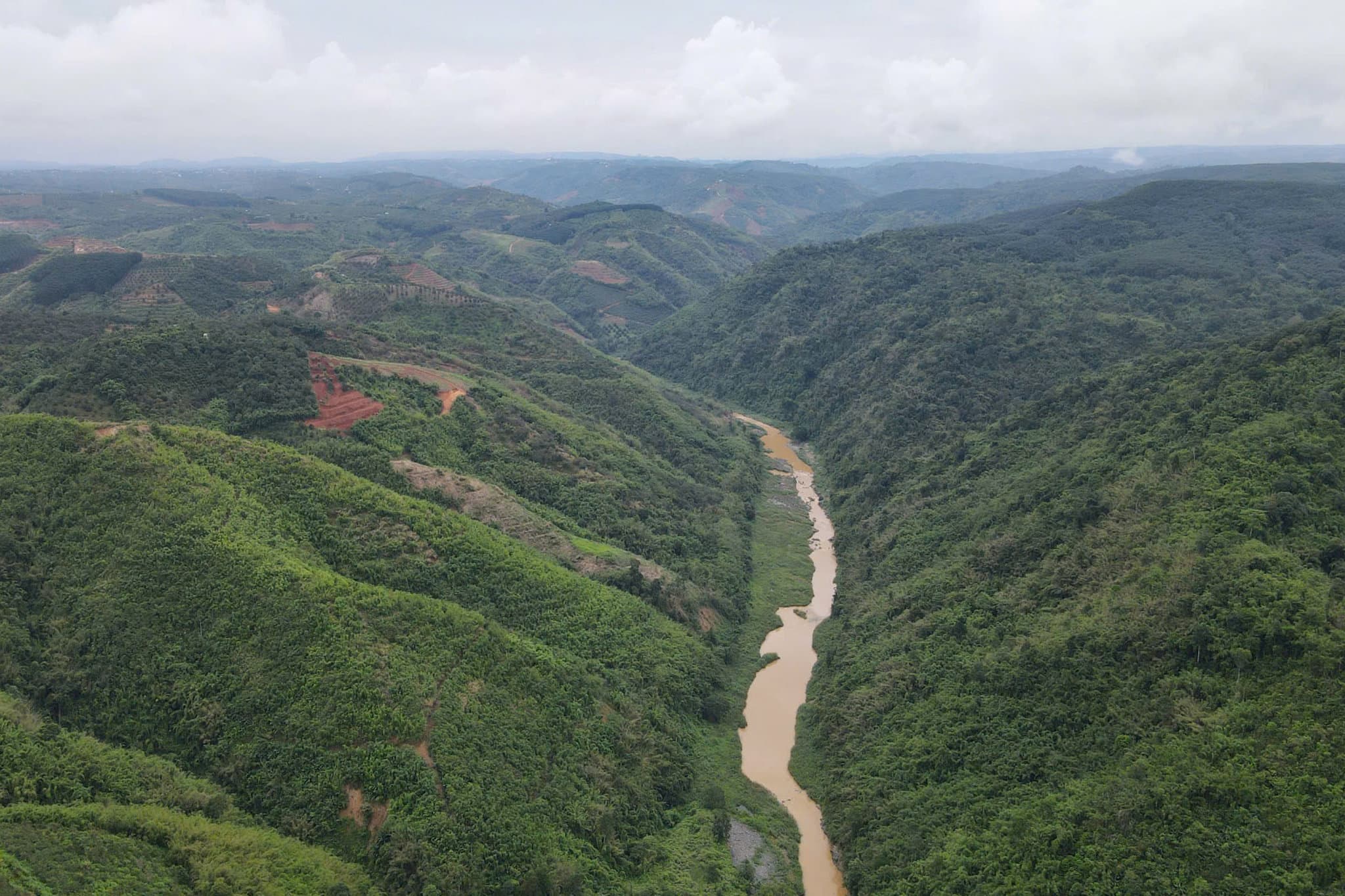
The road will be about 8.87 km long and pass through Dong Gia Nghia Ward and Bao Lam 5 Commune. It will include a 1,166.8-metre cable-stayed bridge over the Dong Nai River.
Under the approved decision, Investment Construction Project Management Board No. 3 will be the project owner. Funding is included in the 2026-2030 medium-term public investment plan.
Cable-stayed bridge will span more than 1.16 km
The road will start at Km0+000, where it meets the Dao Nghia - Quang Khe road in Dong Gia Nghia Ward. It will end at Km8+872, where it meets the road to Dong Nai 4 hydropower plant, which is planned to become National Highway 55, in Bao Lam 5 Commune.
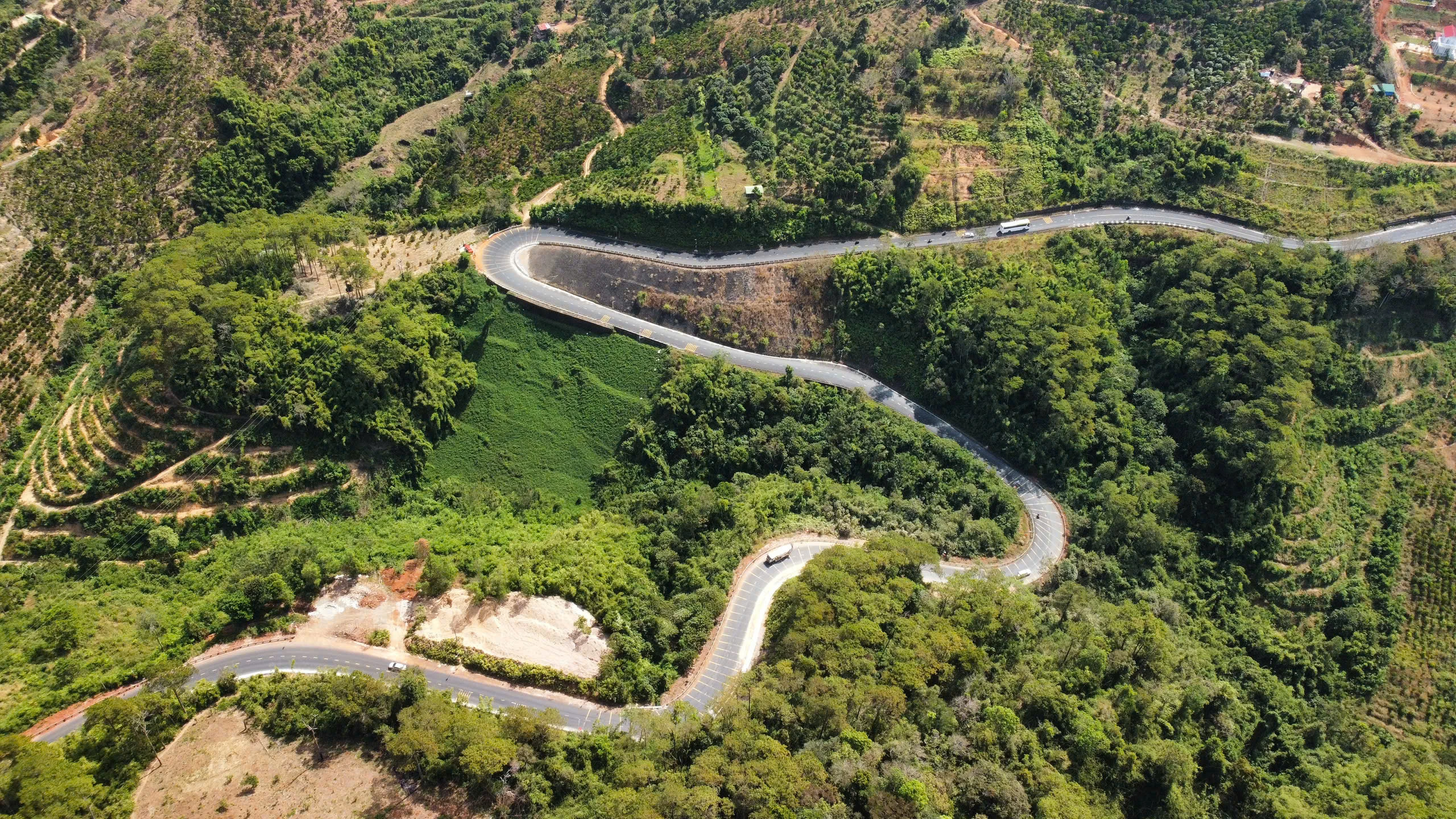
The road is designed to Grade III flatland road standards, with four lanes and a design speed of 80 km/h. On difficult sections with deep cuts or high embankments, the roadbed will be 21.5 metres wide.

The cable-stayed bridge will cross the Dong Nai River at Km2+615 and will be 1,166.8 metres long. It will use reinforced concrete and prestressed reinforced concrete. The bridge will be 25.3 metres wide at the tower locations, including a 19-metre carriageway.
The main span is designed as 175 + 350 + 175 metres, with a 350-metre central span. The prestressed reinforced-concrete box girder will be cast in place and have a strength of 50 MPa. The approach spans will use simple span structures with cross-sections consisting of nine girders.
The bridge is classified as a special-grade structure and has a design service life of 100 years. The road's asphalt surface is designed to last at least 10 years.
Link between the Central Highlands and economic centres
According to Investment Construction Project Management Board No. 3, the new road is expected to shorten the connection between Gia Nghia and Bao Lam by about 26 km and help avoid sections of National Highway 28 that frequently experience landslides.
The project also aims to improve links between the bauxite mining and Tan Rai non-ferrous metallurgy centres in Bao Lam and the Nhan Co industrial centre.
According to the investment objectives, the Gia Nghia - Bao Lam road will form a north-south transport axis in western Lam Dong, linking the southern Central Highlands with the South Central Coast and the Southeast region. It is also intended to improve connections between economic centres and seaports, meet transport demand and expand development space.
Once completed, the road is expected to help complete the transport infrastructure, create conditions for investment and support socio-economic development while contributing to national defence, security and local living conditions.
Sources: Thanh Niên

