
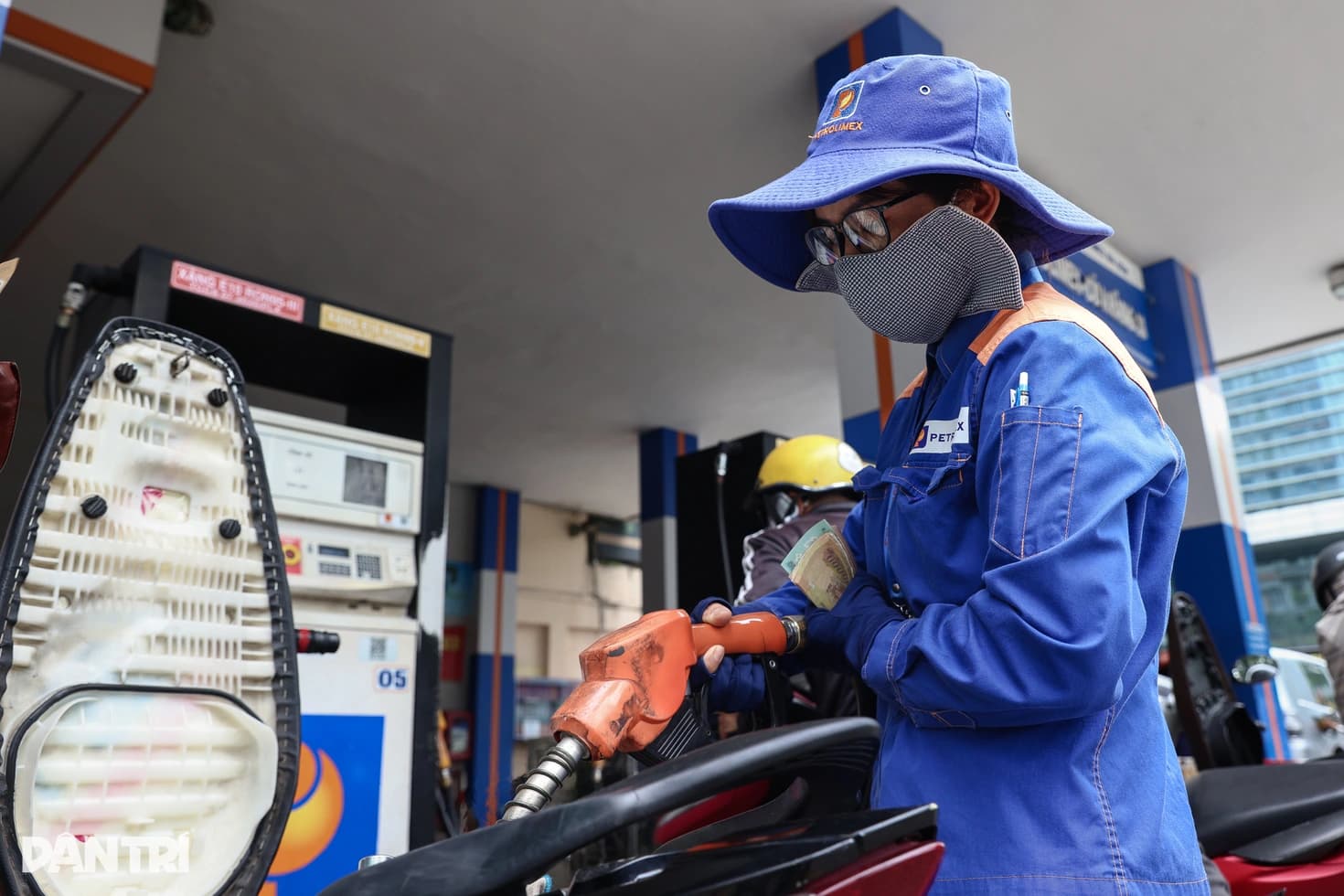
Petrolimex, Thalexim and Vietnam Oil Corporation, known as PV Oil, have started selling some fuel 300–350 dong per litre below the regulated level. Several major wholesale companies cut their prices at the same time, although the reductions differ. Such a move is unusual in Vietnam’s fuel market.
Under prices effective from October 15, the regulated price of E10 RON 95-III petrol is 27,020 dong per litre. Petrolimex sells it for 26,720 dong, while PV Oil sells it for 26,670 dong per litre. The two companies sell E5 RON 92 for 26,670 dong and 26,620 dong per litre, respectively. 0.05S-II diesel is also being sold 300–350 dong per litre below the regulated level.
Petrolimex has applied the reduction across its station network at least until October 29. PV Oil’s programme runs from midnight on October 16 until 3 p.m. on October 22.
The cuts come as Vietnam’s Ministry of Industry and Trade seeks comments on a new draft decree covering the fuel trade. The draft would give companies more control over their prices. If introduced, the mechanism could create more room for price competition instead of the current practice, in which companies mainly follow a common regulated level.
Cuts by major companies could open more room for competition
Nguyen Thuong Lang, from the National Economics University’s Institute of Trade and International Economics, described selling below the regulated price as a positive move. He said the companies were sharing part of their costs with consumers and showing responsibility toward the market.
The 300–350 dong reduction is small compared with the previous price increase, Lang said, but it still has some significance. In his view, it signals that fuel prices can move lower and help households, small businesses and companies save part of their fuel costs.
“Lower fuel prices also matter as the government seeks high economic growth while controlling inflation. Fuel is an input for transport, manufacturing and goods distribution, so changes in fuel prices can affect business costs and the overall price level,” the expert said.
Lang cautioned that the current cuts may not last. Domestic fuel prices remain heavily dependent on global market movements and imported supplies. If world oil prices rise again, domestic prices may come under upward pressure.
The companies’ efforts should therefore be recognised, but they are not yet evidence that fuel prices will keep falling in the near term.
Bui Ngoc Bao, chairman of the Vietnam Petroleum Association, said the state sets a maximum retail price for macroeconomic management, while companies can sell below that level under the current system. He said cuts by large companies such as Petrolimex and PV Oil could lead the market.
He said the move also offers a glimpse of how the fuel market could work if companies gain more control over retail prices.
“Price differences between petrol stations of different brands, along with prices moving up and down, would then become normal. The market would no longer depend entirely on one common price set by the state,” Bao said.
Transparency is needed for real competition
Lang said companies taking more control of their prices would create greater demands for transparency in the fuel business. If companies receive more freedom, regulators will need data systems capable of tracking import prices, imported volumes, stockpiles, operating costs and each company’s profit.
The information should be updated and compared to detect unusual changes instead of relying only on company reports.
Transparency in both inputs and sales would give regulators a basis for assessing whether prices match costs and market conditions. It would also reduce the risk that companies use pricing freedom to set unreasonable prices or manipulate the market.
Lang also proposed coordination between specialised regulators, market surveillance authorities and consumer protection organisations. Buyer complaints could provide additional information for identifying unusual prices or irregular business activity.
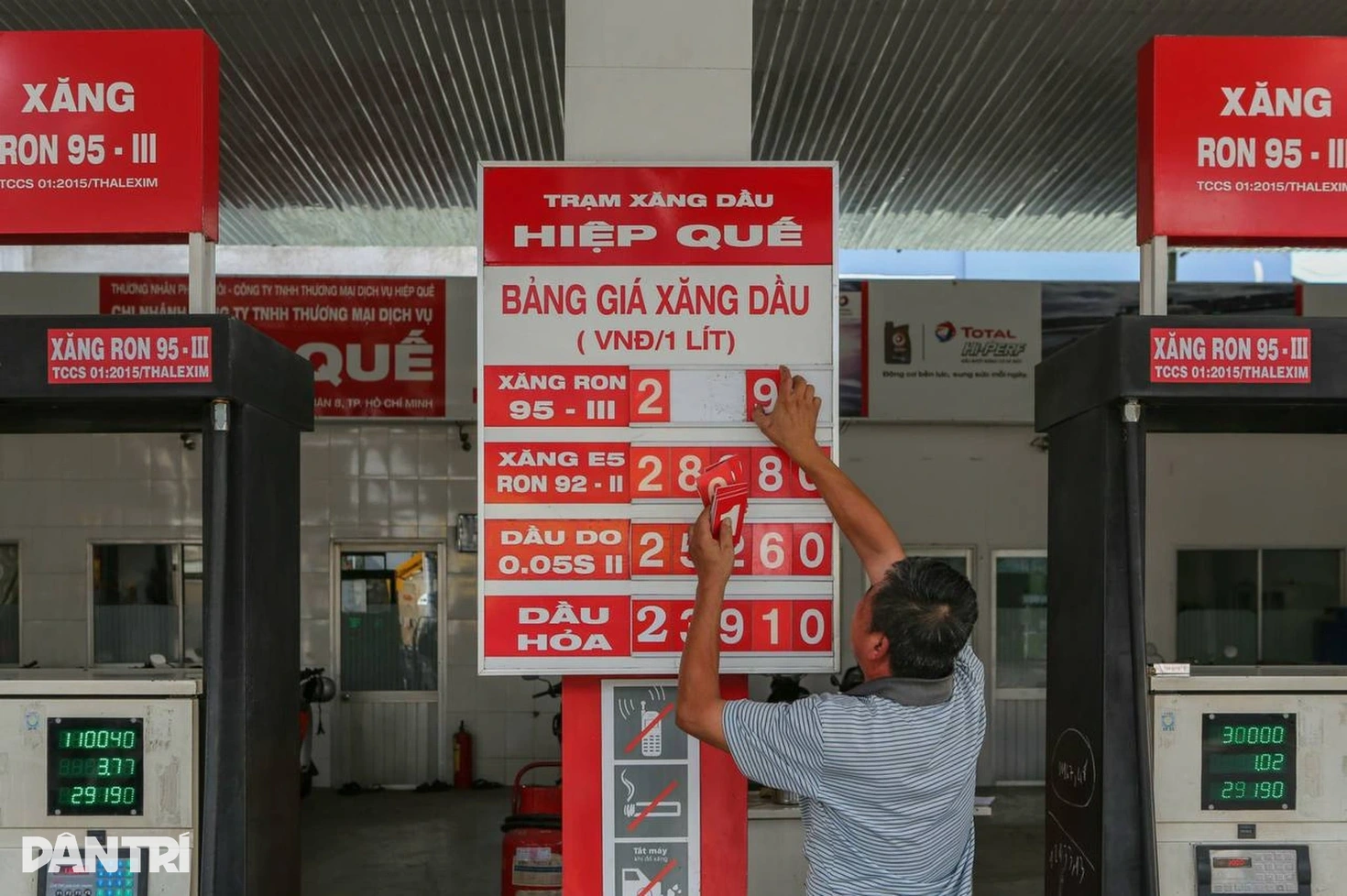
Another requirement is adequate fuel reserves, Lang said. Even with a more flexible pricing system, the state would need to maintain reserves for energy security and to respond to unusual changes. Wholesale companies would also need suitable storage capacity to prevent supply disruptions when world prices rise sharply.
Over the longer term, Lang said diversifying supplies and shifting toward clean energy would also matter. More alternative energy sources could reduce the economy’s dependence on fuel and limit the effect of price shocks in international markets.
The effectiveness of the new system will depend not only on companies’ right to set prices, but also on data, reserves, monitoring and penalties for violations, Lang said. If these conditions are established together, greater pricing freedom could strengthen competition and bring tangible benefits to consumers.
Under Decree 80/2023/NĐ-CP, fuel prices are adjusted every Thursday. The regulator publishes a maximum retail price that companies use as the basis for setting their own prices.
The price cuts by major fuel wholesalers, including Petrolimex, Thalexim and PV Oil, show that room for price competition already exists under the current system. Under a new mechanism, the challenge will be to combine pricing freedom with transparent information and effective oversight.
Sources: Dân Trí

