
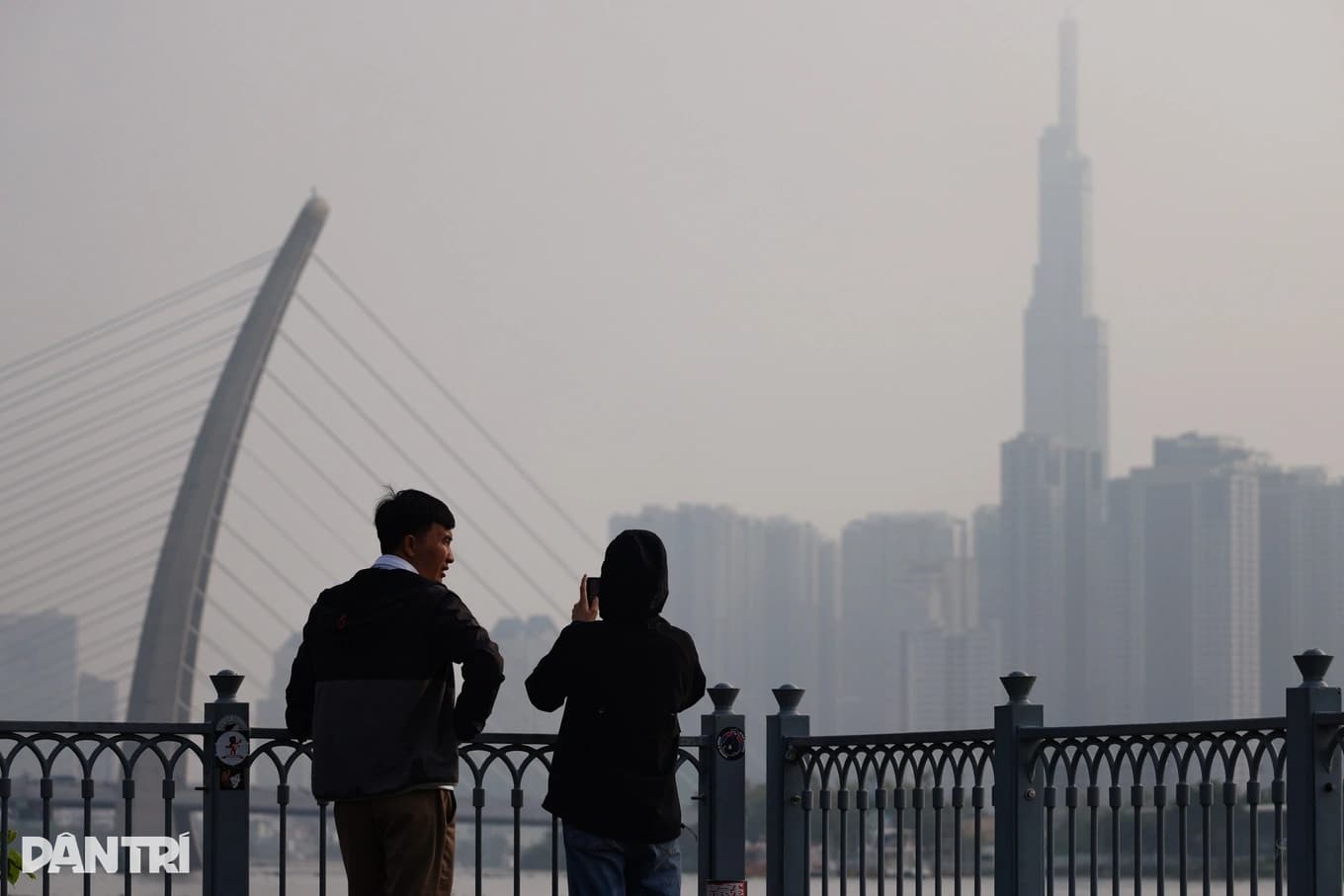
Ho Chi Minh City approved an air quality management plan for 2026–2030, with a vision to 2045. By 2030, the city aims to control emissions from all vehicles, including cars, motorcycles and mopeds.
The city set a target for the annual average concentration of fine PM2.5 particles to fall compared with the previous year. The share of days with good or moderate air quality should reach 80%.
The plan calls for emissions from all cars, motorcycles and mopeds in the city to be managed and controlled by 2030. Controls will be introduced in stages under national technical standards and regulations. The city also aims for all public transport to use clean or green energy.
The city also plans to tightly control 100% of major emission sources in high-pollution-risk industries, including cement, thermal power, steelmaking and boilers. A roadmap to reduce emissions will be developed step by step for these sources.
For construction activity, the target is to strictly manage 100% of construction sites. They must follow environmental protection measures, install barriers and wash vehicle wheels. The city aims to end illegal open-air burning of waste and agricultural by-products, while seeking to reuse and recycle all crop residues in fields.
By 2030, the city aims to have at least 500 projects built in line with environmental requirements. It also plans to improve street and public-area cleaning, add more trees and complete urban landscaping.
To reduce pollution, the Ho Chi Minh City People's Committee assigned the Department of Construction to study and introduce a low-emission zone (LEZ), eventually restricting vehicles that do not meet emission standards.
Other measures include regulating traffic in ward-level areas during peak hours; planning dedicated routes for heavy trucks and vehicles carrying construction materials; and studying a pilot for material-transport vehicles equipped with positioning and emission-monitoring systems.
The city also plans to develop policies encouraging residents and businesses to replace old motorbikes with vehicles using clean energy. The plan includes support for school and university students using public transport and the development of public bicycle services.
Under the plan, Ho Chi Minh City will invest in and upgrade monitoring infrastructure. It will use science and technology, artificial intelligence and digital transformation to monitor emission sources and forecast and warn about emissions and air quality.
Sources: Dân Trí

