
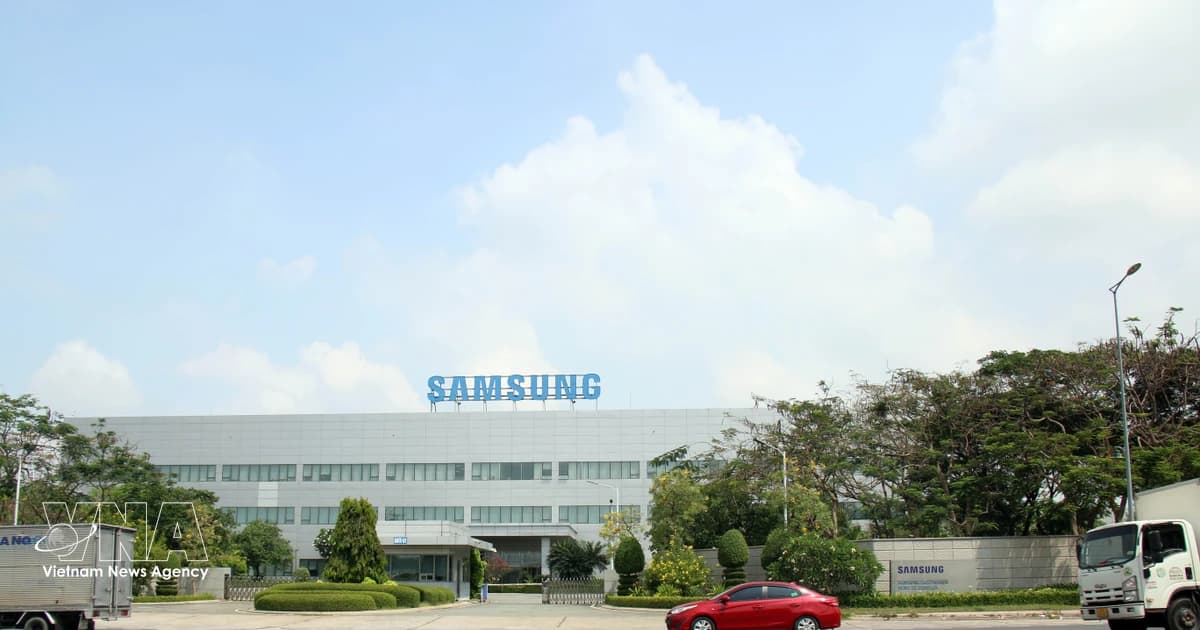
Developing concentrated digital technology parks is one solution being pursued by Ho Chi Minh City and the southeastern region to accelerate the digital economy, support innovation and improve the quality of economic growth.
The parks are intended to do more than attract businesses. They will also link research and training with production and promote the application and commercialisation of technologies across the region.
Ho Chi Minh City has approved a plan to develop 17 new concentrated digital technology parks covering 750–1,000 hectares. The initiative aims to attract major technology enterprises, stimulate the digital technology ecosystem and help the city and the region meet their economic growth targets by 2030. According to the municipal Department of Science and Technology, the city attracts more than 56% of total investment capital in technology companies. It is also home to nearly 50% of the country’s innovative start-ups and 40% of its incubation facilities. The city accounts for 44% of total investment capital and 60% of investment deals nationwide. These advantages provide a foundation for expanding the technology ecosystem, research, development and the commercialisation of new products and services.
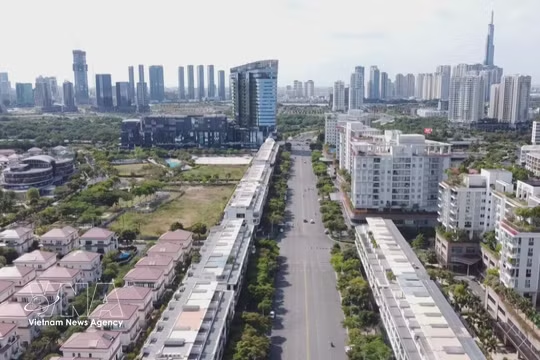
The operations of Quang Trung Software City (QTSC), Vietnam’s first concentrated information technology park, demonstrate the effectiveness of specialised technology zones. QTSC has attracted more than 110 businesses operating in software, digital content and information technology services. They have developed and supplied more than 650 technology products, services and solutions to markets in over 20 countries and territories, mainly the US, Japan and Europe.
Saigon Hi-Tech Park (SHTP) is one of Vietnam’s leading technology centres and the most successful of the country’s three national hi-tech parks. It also hosts the Vietnam Centre for the Fourth Industrial Revolution, the second centre of its kind in Southeast Asia. The centre promotes innovation and economic development through research into and the application of advanced technologies, including semiconductors, biotechnology, new materials, drones, artificial intelligence and the Internet of Things.
These models provide a foundation for developing more digital technology parks. However, the city needs to address shortcomings in institutions, support mechanisms and infrastructure. The legal framework does not yet fully meet practical requirements, particularly in emerging fields such as artificial intelligence, big data, semiconductors and cloud computing. Mechanisms for commercialising research results, developing science and technology enterprises, attracting highly skilled workers and securing financial resources also need improvement. Inadequate and fragmented technology infrastructure limits the city’s ability to attract major technology corporations.
To make the parks a driving force for regional growth, Ho Chi Minh City needs to improve their operational quality and strengthen links rather than focus solely on attracting businesses. Investment in coordinated infrastructure must go hand in hand with training a high-quality workforce and providing support services.
Planning should align with the development directions of the city and neighbouring localities while strengthening connections among technology parks, educational institutions, research organisations, manufacturers and service providers. This integration will facilitate technology transfer and application, creating an innovation network that supports sustainable growth throughout the southeastern region.
Sources: VietnamPlus / Vietnam News Agency

