

On October 28, Ho Chi Minh City’s health department began rotating doctors to commune, ward and special-zone health stations. In the first phase, 79 experienced general practitioners and specialists from city hospitals will take turns working at 37 understaffed stations under the city’s 2026–2030 hospital and health-station partnership plan.
Experienced doctors move to local stations
Obstetrician and gynecologist Vo Cam Nhung of Gia Dinh People’s Hospital will work at Tan Thanh Health Station in the Ba Ria–Vung Tau area. She plans to support prenatal care, maternal and child health, and screening and monitoring for older women. With support from her husband, family and hospital, she expects to complete the assignment.
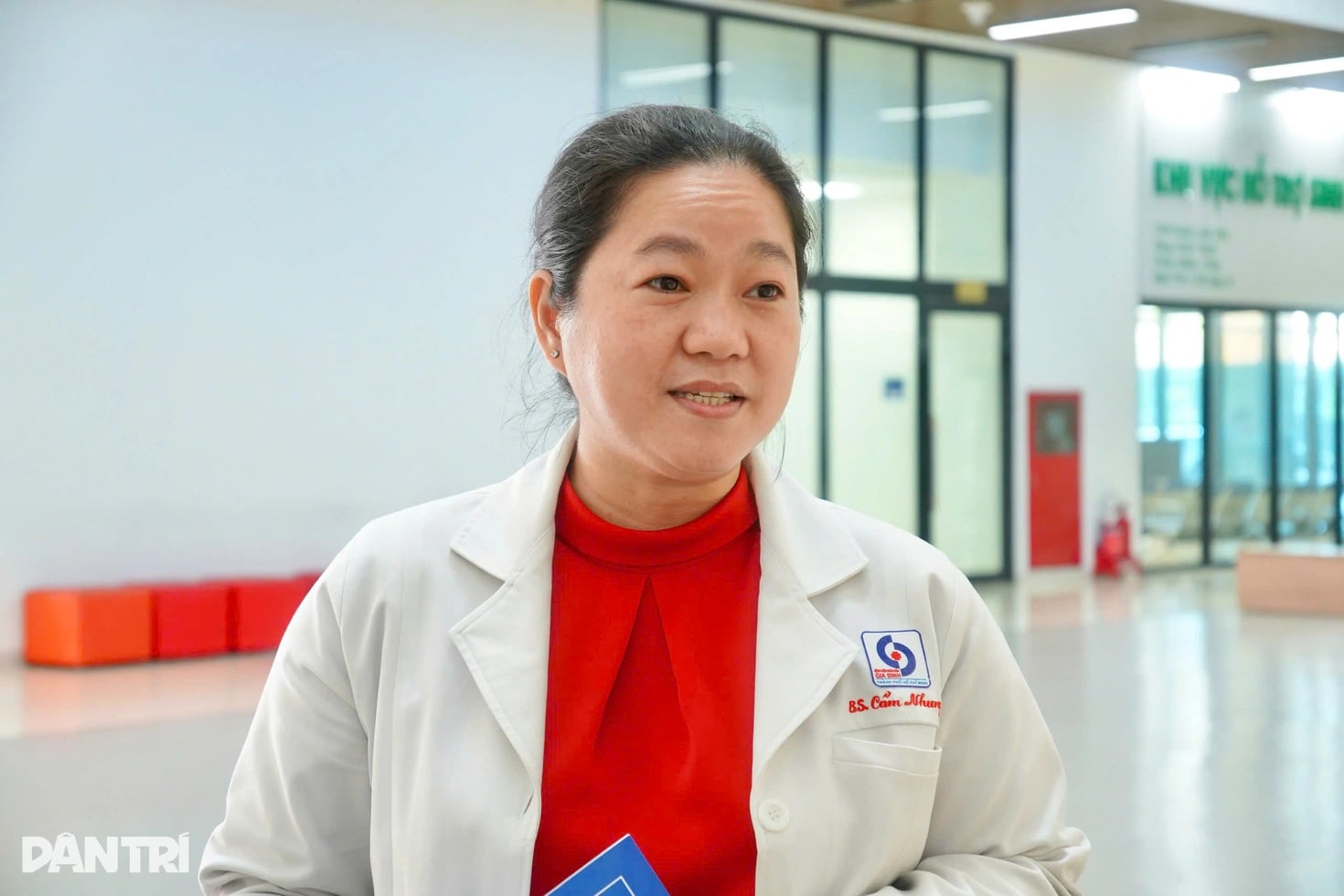
“I hope residents will trust local healthcare more and visit health stations for examinations, initial treatment and long-term monitoring. This can also help reduce pressure on higher-level hospitals,” Nhung said.
Emergency and intensive-care doctor Phan Trung Viet will work at Chau Pha Commune Health Station. Residents still tend to choose top-level hospitals and do not always trust local stations. Viet can help handle emergencies, assess patients, coordinate referrals and manage chronic diseases. He expects stations to receive necessary equipment and improve staff skills.
Making healthcare easier to access
Than Dang Phong, deputy chairman of the Tan Phuoc ward People’s Committee, said local healthcare is important for primary care, prevention, treatment and community health management, but faces staff and professional-capacity shortages. Rotating doctors should improve services, access and reduce pressure on higher-level hospitals.
Nguyen Van Vinh Chau, deputy director of the city health department, said Ho Chi Minh City has more than 14 million residents, 169 hospitals, 168 health stations and nearly 300 affiliated sites. Chronic diseases are increasing, the population is aging and residents want care close to home. Concentrated resources leave major hospitals overloaded and may delay treatment while increasing costs.
During the first phase, 79 doctors will rotate through 37 stations, with a goal of at least five doctors at each. They will treat patients, manage non-communicable diseases, provide initial emergency care, join outbreak response and train station staff.
Supporting local health stations
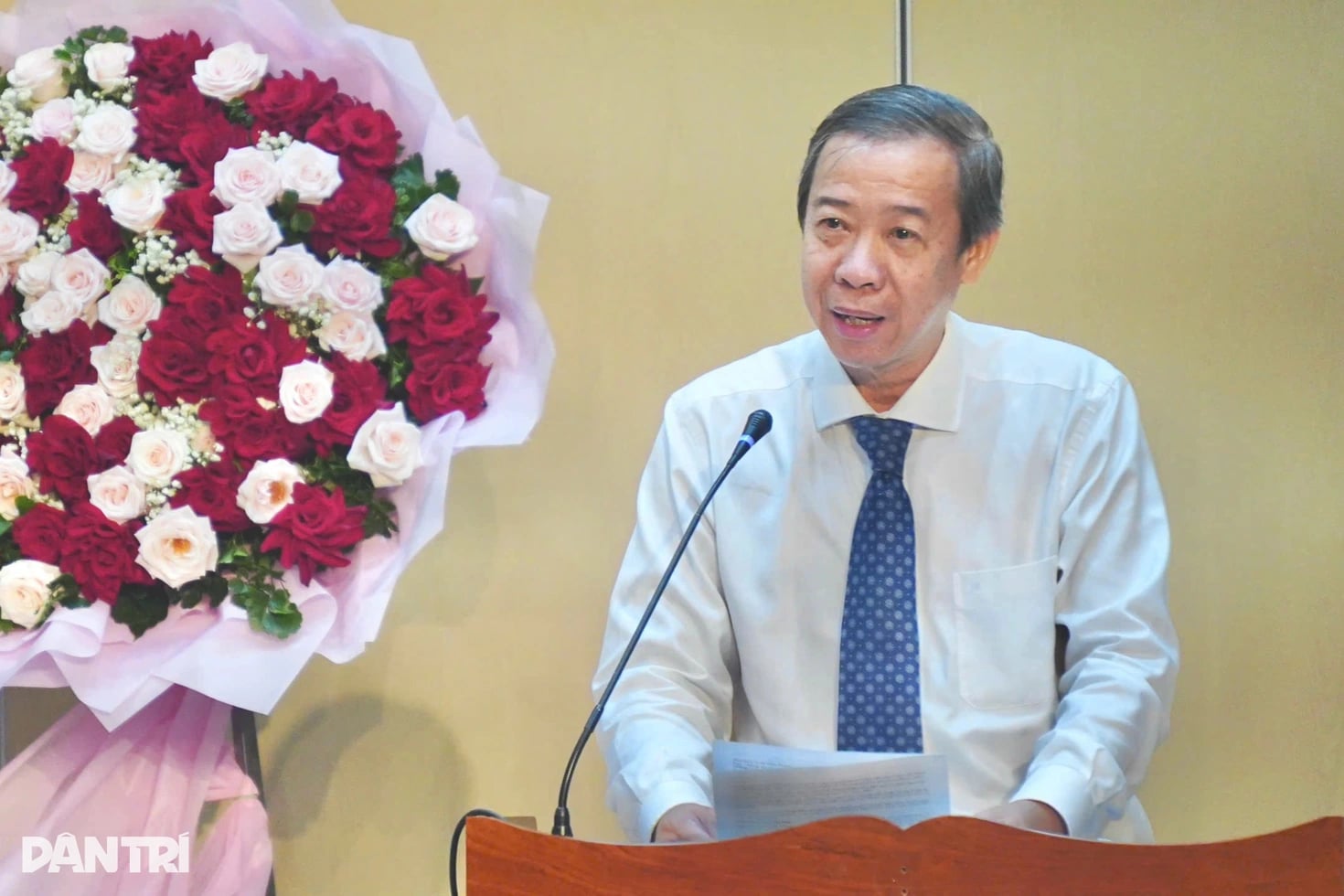
Tang Chi Thuong, director of the city health department, said the rotation should address the shortage at 37 stations and strengthen local healthcare. The city will develop remote consultations, professional support, population health examinations, chronic-disease management and continuous community care.
Nguyen Phuoc Loc, deputy secretary of the city Party Committee, asked 37 communes and wards to establish continuous healthcare teams, use electronic health records, pay attention to older people and provide housing and working conditions for rotating staff. He also called for central hospitals and hospitals under ministries and sectors to join the program.
Sources: Dân Trí

