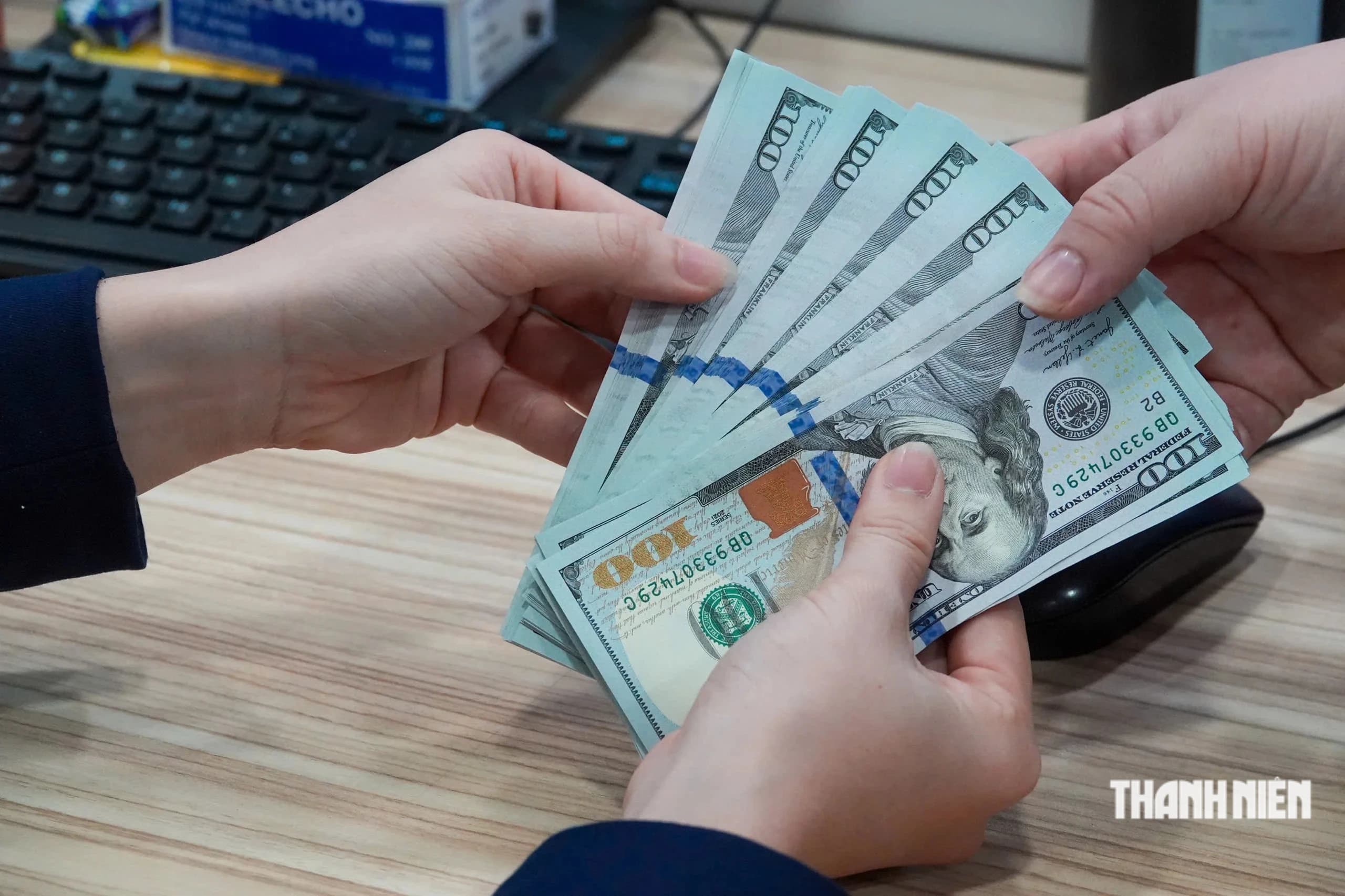
According to the State Bank's regional branch, remittances to Ho Chi Minh City exceeded $2.835 billion in Q3 2026. The figure rose 39.5% from Q2 and 3.6% from the same period in 2025. It was the first quarter in 2026 when remittances grew year on year.
Remittances to Ho Chi Minh City were $800 million higher in Q3 than in Q2 2026. It was the first increase of 2026 after declines of 16.9% in Q1 and 27.9% in Q2. The recovery was concentrated mainly in Asia and the economic-organization channel, while figures for the other regions remained below the same period last year.
Asia remained the largest source, with more than $1.676 billion, or 59.1% of the total. Its share was 49.3% in Q2 2026. The main inflows came from Vietnamese workers in South Korea, Japan, Taiwan, Singapore and Malaysia. The Americas ranked second with $748.5 million, or 26.4%, mainly from Vietnamese communities in the United States and Canada. Europe contributed $222.1 million, or 7.8%. Oceania contributed $173.2 million, or 6.1%, down from 9.6% in Q2, mainly from Australia and New Zealand. Africa was the smallest source, at $15.1 million, or 0.5%.
Asia and the Americas accounted for 85.5% of total remittances. Asia's share rose from 49.3% in Q2 2026 to 59.1% in Q3. This points to a growing dependence of Ho Chi Minh City's remittance structure on the Asian labour market.
The State Bank's Ho Chi Minh City branch said remittances reached $6.872 billion in the first nine months of 2026. That was 13.8% lower than in the same period of 2025, when the figure was about $7.969 billion. The decline was approximately $1.096 billion. The nine-month total was about 66.7% of the full-year 2025 result of $10.3 billion. After Q3, the year-to-date decline narrowed considerably from the 22.8% drop recorded in the first half of the year.
Remittances are forecast at about $2.6–2.9 billion in Q4 2026. The full-year total is estimated at roughly $9.5–9.8 billion, about 5.1–8% below the 2025 result of $10.3 billion. Annual remittances in 2026 are therefore likely to remain below the 2025 level. The recovery will depend largely on exchange-rate movements and labour-market conditions in Asia during the final months of the year.
Sources: Thanh Niên