
Adapting to population ageing
According to the municipal Department of Health, Ho Chi Minh City has around 1.57 million people aged 60 and above, accounting for nearly 11% of its population. The city entered the ageing phase in 2017 and is projected to become an aged city by around 2038.
Huynh Minh Chin, deputy director of the department, said rising demand for elderly care is putting pressure on traditional family-based care. Older people increasingly face multiple chronic illnesses, mobility problems, malnutrition, dementia and depression. They need continuous support and closer coordination among hospitals, primary healthcare facilities, families and social support organisations.
In response, the city began piloting elderly healthcare models in 2025, including a daytime care programme at the Hospital for Rehabilitation and Professional Diseases.
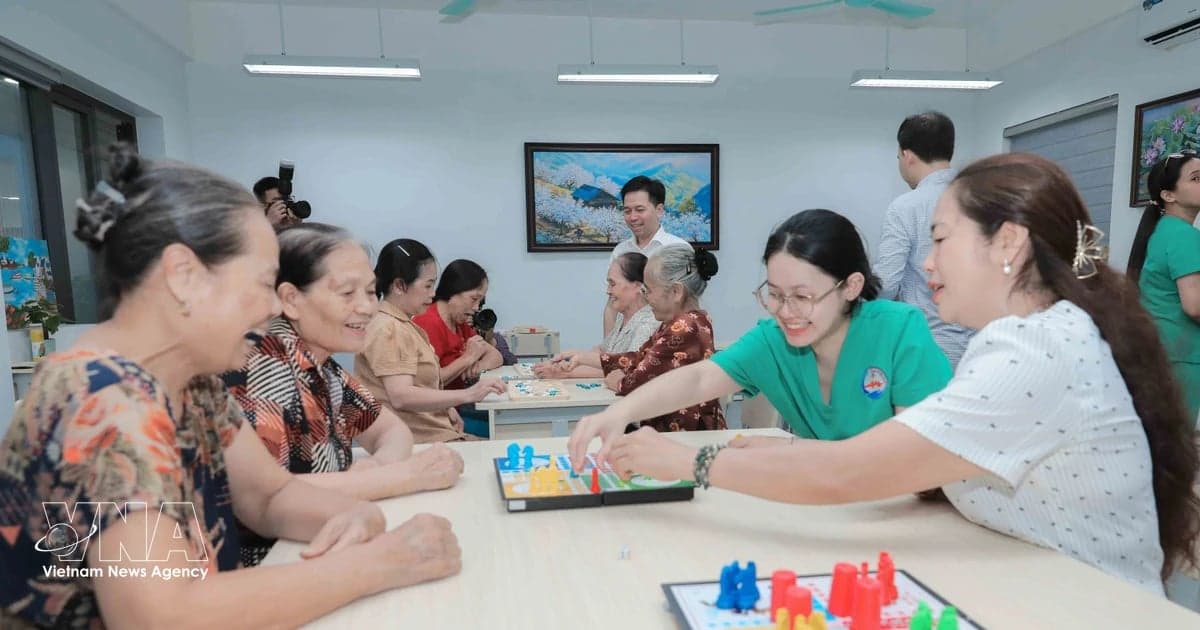
After one year of operation, the hospital provides daily care for 40 older people, its director, Associate Professor and Doctor Phan Minh Hoang, said. In addition to healthcare and rehabilitation, the programme offers opportunities for social interaction and recreational activities, helping participants maintain a positive outlook.
Nguyen Thi Ai Van, 83, from Khanh Hoi ward, has attended the programme for more than six months. She said the daily healthcare and social activities have brought her joy. When she is unwell, she receives medical attention and tailored meals.
Similar daytime care centres have opened in several wards and communes. In Binh Tan ward, a centre launched just over two months ago offers health checks and group activities, including exercise, chess and singing.
Vu Hong Ninh, chairman of the ward's Association of the Elderly, said the model helps older people stay active and maintain social connections. The ward is also planning a medicinal herb garden where they can grow and care for plants while continuing to contribute to their families and community.
Developing an elderly healthcare ecosystem
Chin said population ageing is inevitable and requires preparations to address its implications for healthcare, social welfare and socio-economic development.
The municipal Department of Health is working with other departments, healthcare and training institutions, and businesses to develop an accessible, professional and integrated elderly care ecosystem.
The network will integrate healthcare facilities, services, personnel, technology and financing to provide continuous physical, mental and social care. It will cover primary healthcare and chronic disease management, home nursing, rehabilitation, long-term and palliative care, nutrition and psychological support.
The city has favourable conditions for developing the ecosystem, including a large population, diverse healthcare needs and an extensive public and private medical network. Its expanded development space also offers opportunities to establish long-term care, rehabilitation and healthcare-linked facilities.
As the southern region's leading referral healthcare centre, the city has experienced medical professionals and a strong healthcare network to support geriatric medicine and continuous care.
The city plans to establish a five-tier care network linking families and hospitals. Services will be tailored to older people's health conditions, independence and financial capacity. The model will cover home-based health management, community and daytime care, home visits by healthcare teams, residential nursing and rehabilitation facilities, and hospital treatment for complex cases.
Chin said the plan must align with the city's silver economy strategy, with clear targets, implementation roadmaps, responsibilities and resources. Priorities include strengthening primary healthcare, expanding home-based and daytime services, improving geriatric care, training personnel and attracting investment in underserved areas.
Sources: VietnamPlus / Vietnam News Agency

