
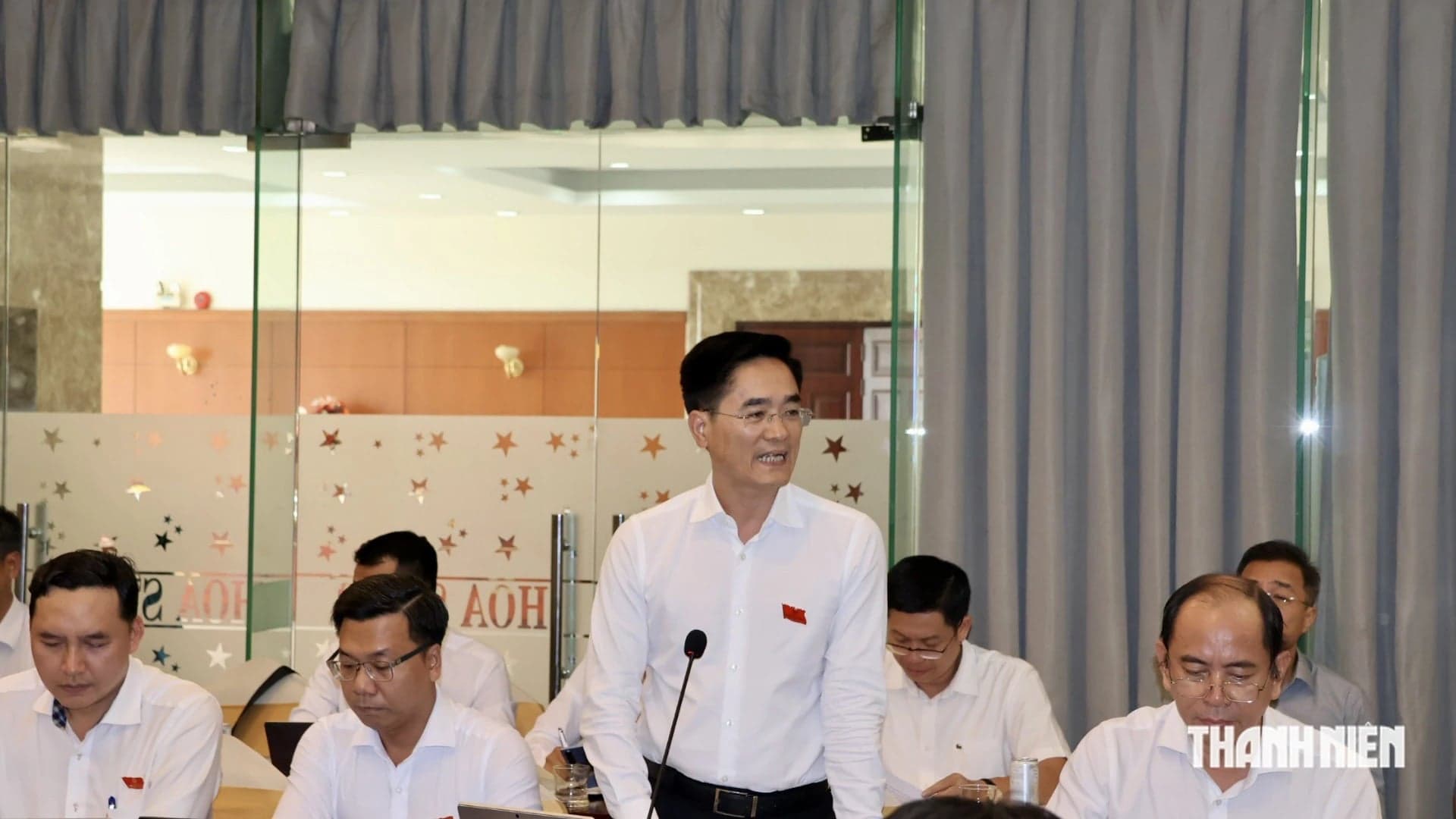
On the afternoon of October 29, Ho Chi Minh City People's Council delegates split into four groups to discuss draft resolutions. The topics included infrastructure, transport, urban development, flooding and street names.
Addressing traffic and flooding bottlenecks
At group 1, chaired by Hoang Tung, head of the People's Council's Urban Affairs Committee, delegates discussed infrastructure and urban issues.
Tran Quang Lam, director of the Ho Chi Minh City Department of Construction, said the city's main socio-economic indicators, traffic safety, construction order and urban services had generally produced positive results, with the 2026 targets largely completed.
Tran Quang Lam said the city would need to focus on traffic congestion and flooding in the coming period. He described the two issues as urgent bottlenecks that city authorities needed to address first.
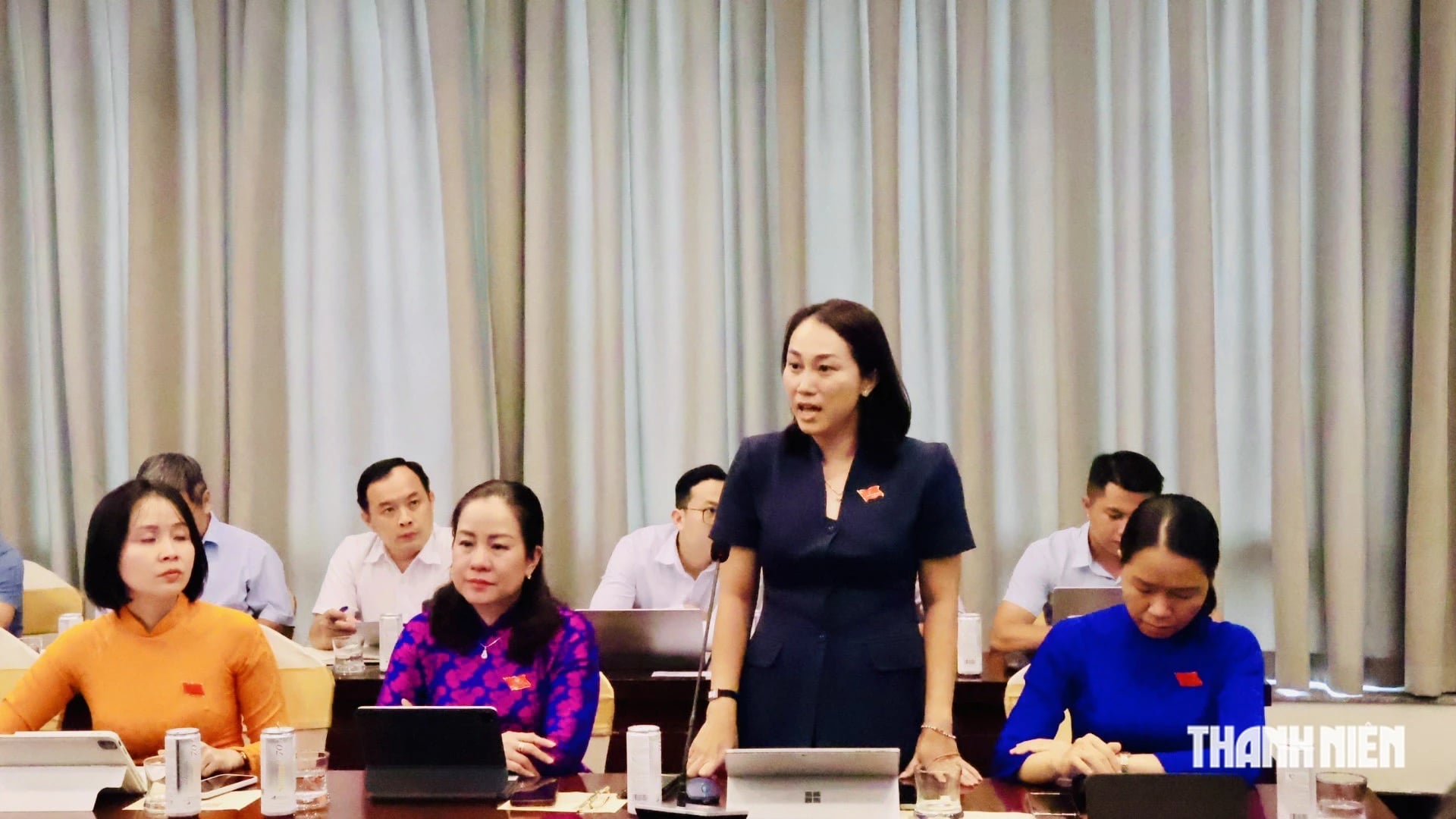
According to the official, Ho Chi Minh City should largely resolve 28 locations at risk of traffic congestion by 2030. The proposed measures include traffic coordination technology, better connections to local roads and faster completion of infrastructure in urban areas so it can be handed over for use.
For flooding, Tran Quang Lam proposed using special mechanisms under the Law on Urban Development, along with new rules on digital transformation and technology. These measures would accelerate investment through public projects and public-private partnerships (PPP).
He said the city needed to focus on 50 locations with severe flooding, defined as water rising more than 30 cm five minutes after rain. The priority areas include places affected by high tides and low-lying areas in the former District 7 and former Nha Be and Binh Chanh districts.
One street should have one name
Nguyen Van Duc, secretary of the Party committee and chairman of the Tan Thoi Hiep Ward People's Council, said streets and roads passing through several administrative areas and urban zones should have a unified name.
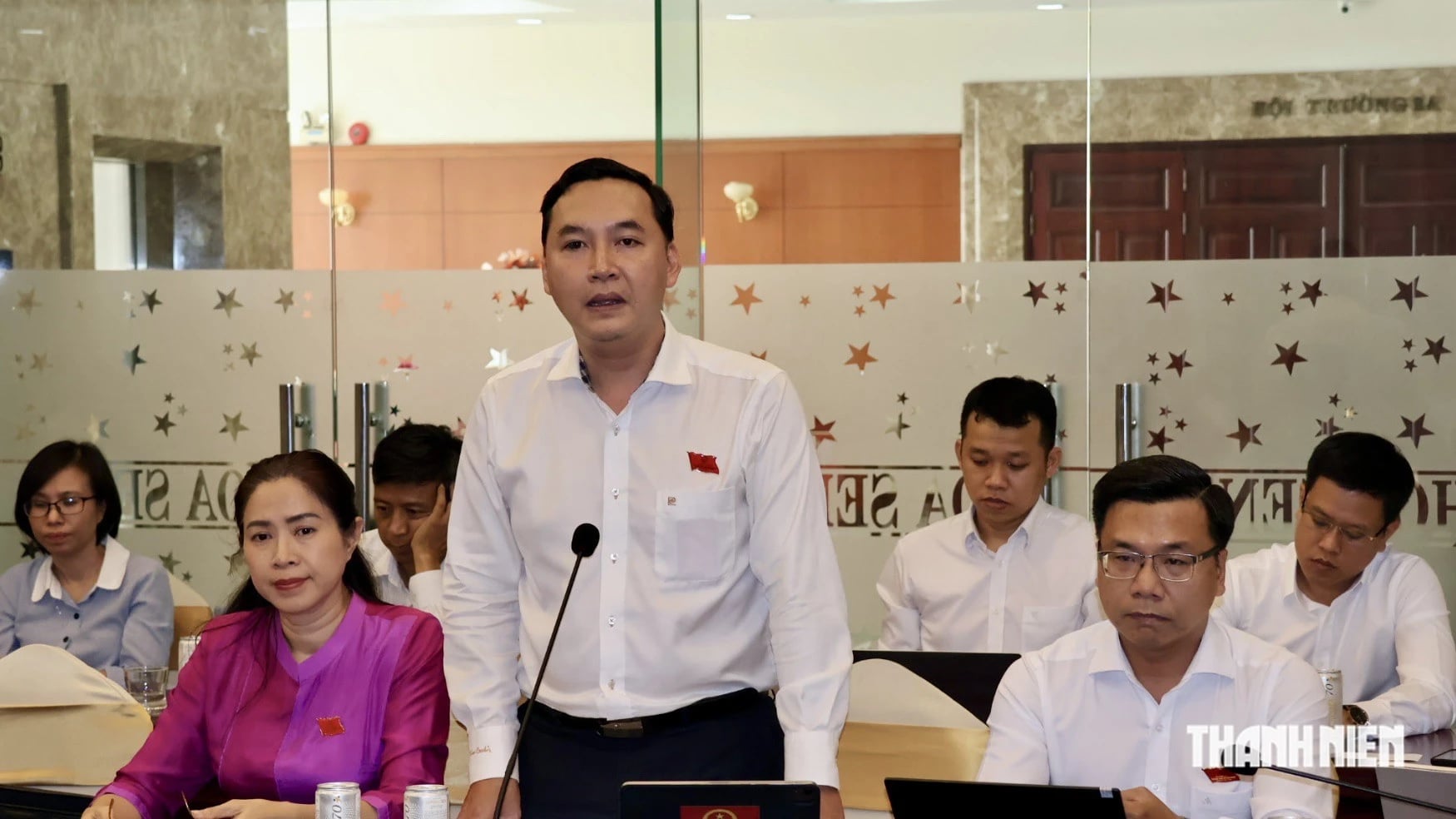
He gave the example of National Highway 1A, which runs from former Thu Duc through former District 12 and Binh Tan. A stretch of roughly 20–30 km has been split into sections with different names, including Do Muoi, Le Duc Anh and Le Kha Phieu. A similar situation affects the Trans-Asia Road, known as Le Quang Dao and Phan Van Khai streets. The delegate proposed one name from one end of a road to the other to create a consistent connection.
Huynh Thi Quynh Hoa, deputy director of the Ho Chi Minh City Youth Cultural House, proposed adding historical information to street names so residents could learn more about the country's history.
Mai Huu Quyet, secretary of the Party committee and chairman of the Thu Duc Ward People's Council, proposed simplifying procedures and giving local People's Committees more authority over street naming.
He said that after the administrative reorganisation, Thu Duc Ward had too many numbered streets, such as Street No. 8 and Street No. 9. Repeated names create significant difficulties for residents carrying out administrative transactions.
Mai Huu Quyet proposed allowing local authorities to assign names independently to streets linked to geographical names and ordinal numbers when those names are already included in the approved street-name pool. This would avoid a complicated multi-level consultation process.
Sources: Thanh Niên

