
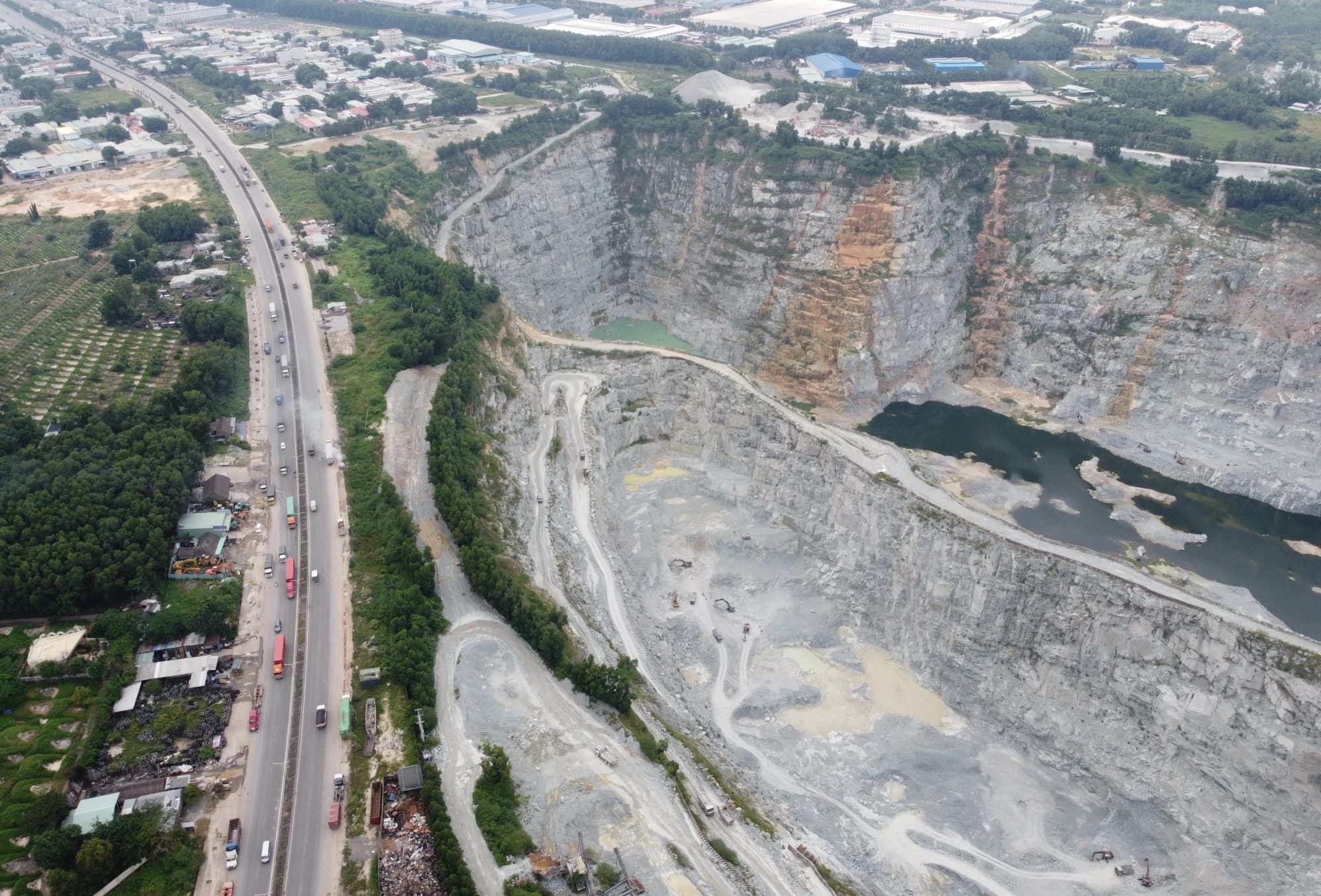
Ho Chi Minh City plans to use about 55 million cubic meters of marine sand for infrastructure fill. The city will also allow stone quarries to be deepened by 50 to 100 meters, said Nguyen Toan Thang, director of the Department of Agriculture and Environment, at a conference on the city's socioeconomic development during the first nine months of 2026, organized by the city People's Committee on October 15.
Thang outlined three measures for construction material supplies. The first is to deepen quarries in the former Ba Ria-Vung Tau and Binh Duong areas by 50 to 100 meters. The second is to cut permit and capacity approval times from 67 to 70 days to 20 days, while shortening or waiving some land and environmental procedures. The third is to use marine sand as a substitute. Projects need about 44 million cubic meters of fill, while supplies cover only about 5 to 8 million.
Ho Chi Minh City is preparing to bring about 55 million cubic meters of marine sand from offshore areas for fill. “If substitute materials are not used, the demand cannot be met,” Thang said.
Ho Chi Minh City disburses about VND 111.5 trillion in public investment
By September 30, the city had disbursed about VND 111.5 trillion, or 75.5% of the funding plan assigned by the prime minister. It needs about VND 36.1 trillion more in the fourth quarter to reach 100% for the year.
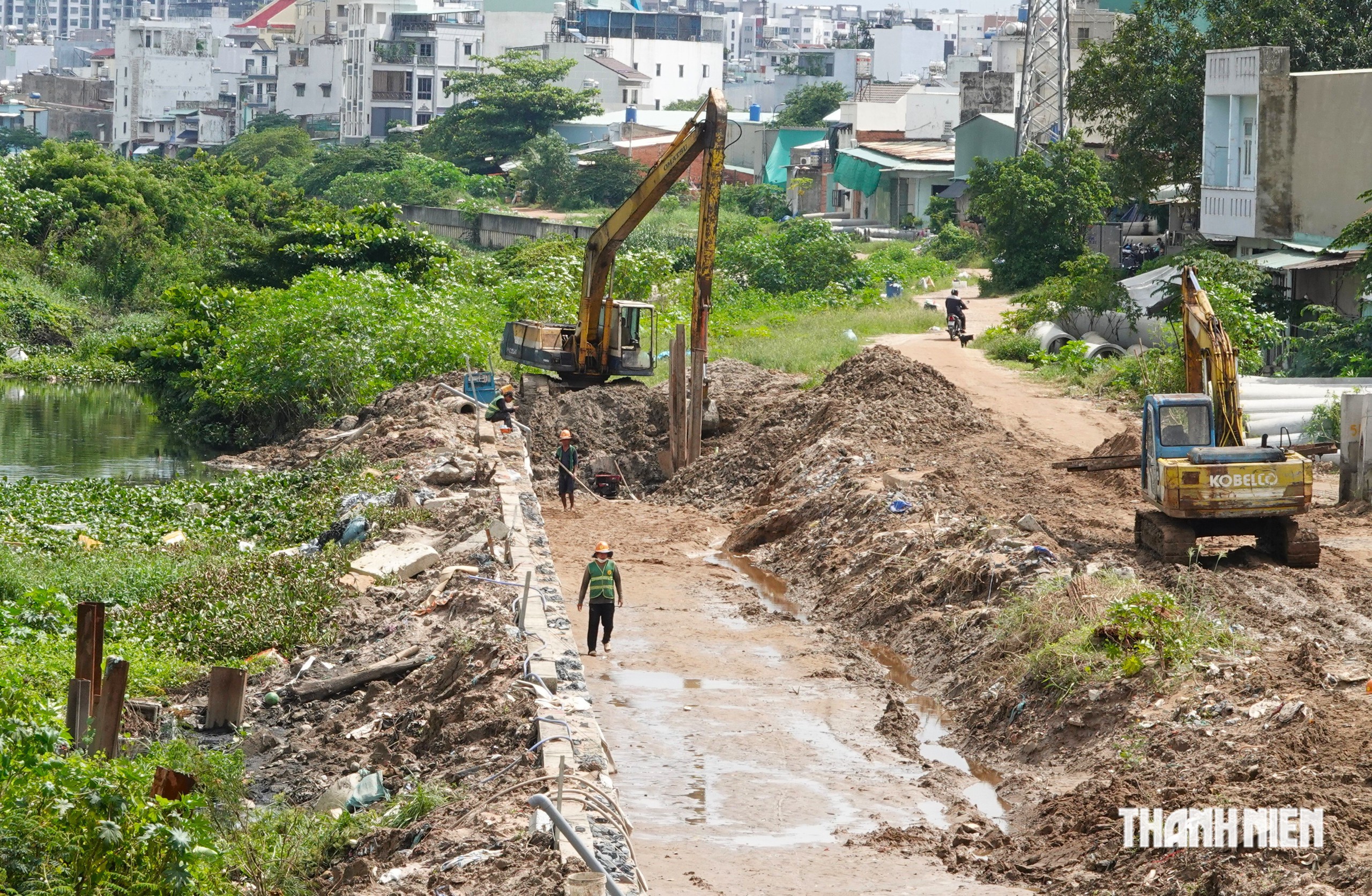
Since the beginning of the year, 19 major projects have broken ground or started construction. Disbursement for major transport projects reached 95%, while compensation, site clearance and technical infrastructure work in public-private partnership projects reached 80%.
The government recently issued Decree 377/2026 to help remove obstacles in appraisal, approval and contract signing. The Urban Development Law, effective October 1, allows urgent procedures for large and important projects, including parallel procedures and greater investor authority over designs and cost estimates.
Sources: Thanh Niên

