
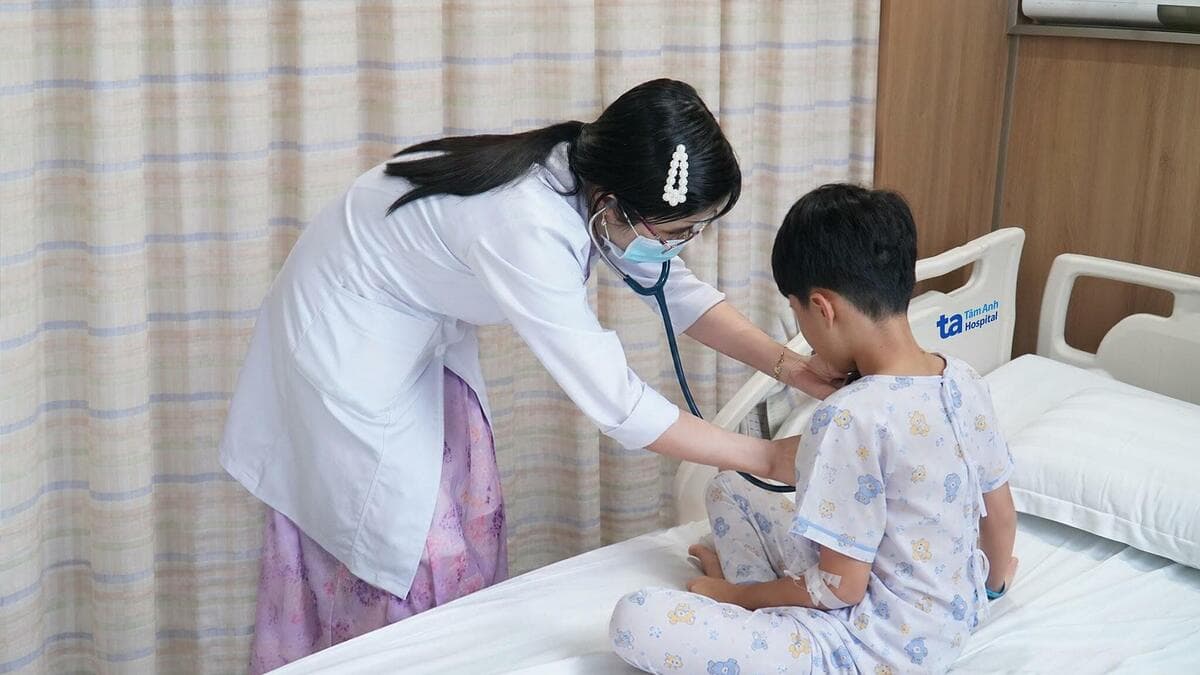
In Ho Chi Minh City, 10-year-old Trung lost consciousness after two days of high fever, cough and vomiting. His arms and legs stiffened, and he had a seizure lasting about three minutes, followed by confused speech.
Tests at Tam Anh General Hospital found an electrolyte imbalance: his sodium level had fallen to 128 mmol/L, and he also had low calcium. A chest X-ray showed bronchitis. Lê Thị Ngọc, a doctor in the hospital's pediatrics department, diagnosed influenza A and nonspecific seizures.
The doctor said seizures and confused speech in a child with influenza can signal neurological complications such as encephalitis or acute necrotizing encephalopathy. In severe cases, the illness can progress quickly to coma, brain swelling, widespread brain injury, neurological disability or death.
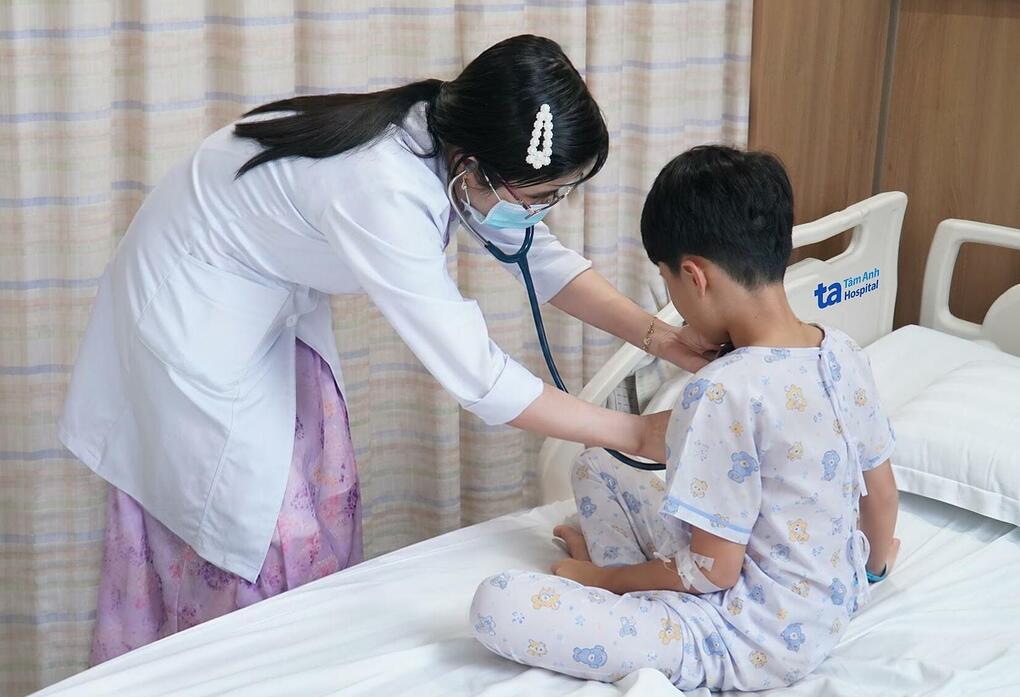
After five days of treatment, Trung was alert, his fever and vomiting had stopped, his cough had eased and he had no further seizures. He was discharged.
When influenza spreads more widely
Influenza A and B commonly cause seasonal illness. Common influenza A subtypes include A/H1N1 and A/H3N2. The viruses can change over time, so a person can get influenza more than once.
Doctor Ngoc said influenza usually increases in September and October in Vietnam, when children return to school. The infection spreads through droplets released when people cough, sneeze or talk, and through contaminated hands touching the eyes, nose or mouth. Close contact and shared objects make transmission easier in schools and families.
Children with influenza may have fever, cough, a runny nose, sneezing, sore throat, fatigue and sometimes vomiting. Recovery may take about 5–10 days, but the illness can last longer or lead to bronchitis and pneumonia.
When to seek medical care
The doctor advises taking a child for examination if a high fever persists, coughing worsens, the child eats poorly or symptoms do not improve. Children from six months of age are advised to receive influenza vaccination and yearly boosters according to age. Parents should teach children to wash their hands, cover their nose and mouth when coughing or sneezing, and limit close contact with people who have respiratory symptoms.
Sources: VnExpress

