
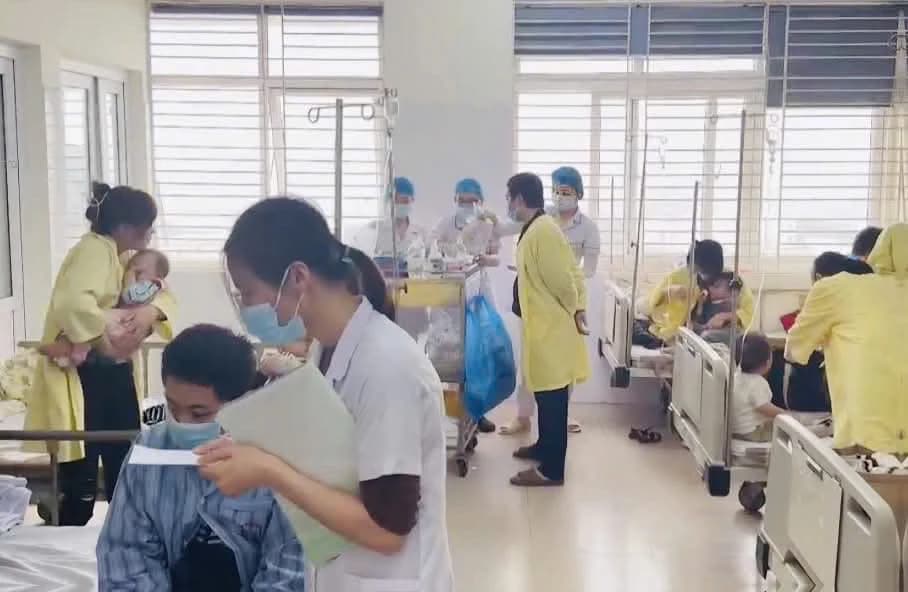
The Hanoi Center for Disease Control says the city has recently recorded an average of 200–300 flu patients receiving inpatient treatment each week. Most patients recover over time, but influenza, including influenza A, can become severe.
A low fever does not rule out severe illness
The number of flu patients seeking care and admission has risen at the National Hospital for Tropical Diseases in recent weeks. Its pediatric department currently has 7–10 inpatients with severe flu, including cases of pneumonia and breathing difficulty. The hospital has also recorded critical cases among older people with underlying conditions.

The National Children’s Hospital and Hanoi Children’s Hospital have also warned about dangerous flu complications.
Flu patients account for about 50% of children hospitalized in the infectious diseases department at Hanoi Children’s Hospital. Visits have increased since late August: about 100 children now come for rapid flu tests each day, and 10–20% need hospital treatment.
Common early symptoms include fever, cough and a runny nose. Some children seek care because of a persistent high fever. However, flu can flare up even after the fever falls, causing it to return and leading to pneumonia.
“Flu can cause muscle inflammation and brain complications. Parents should pay attention if a child complains of severe aches, becomes lethargic, is difficult to wake, or refuses to breastfeed or eat,” said doctor Lê Thị Vân of Hanoi Children’s Hospital’s infectious diseases department.
The Hanoi CDC has highlighted influenza A because many people still regard it as an ordinary illness and judge its severity mainly by body temperature. Fever level does not fully reflect a patient’s condition. A person may not have a high fever but can still develop respiratory tract damage, breathing difficulty or severe illness, especially with diabetes, cardiovascular disease, cancer or chronic obstructive pulmonary disease (COPD).
People with COPD have chronically inflamed and narrowed airways, which reduces respiratory function. With influenza A, airway inflammation and increased secretions can worsen the existing obstruction. Lung damage from flu can also reduce gas exchange and quickly lead to respiratory failure.
The National Hospital for Tropical Diseases says flu, including influenza A, can quickly cause respiratory failure in older people and patients with chronic diseases. In some cases, it can become life-threatening within days of the onset. Treatment is more complicated for older patients with multiple myeloma, seasonal flu, pneumonia and acute kidney failure.
Antibiotics do not treat the virus
The Hanoi CDC advises close monitoring when symptoms include fever, cough, sore throat, a runny nose, body aches or sudden fatigue. Older people, young children, pregnant women and people with chronic conditions such as COPD, asthma, heart disease, diabetes or weakened immunity should seek medical advice early if they suspect flu.
Immediate medical care is needed for shortness of breath, rapid breathing, chest pain or pressure, blue lips, confusion, unusual lethargy or rapid deterioration.
Children need urgent care for breathing difficulty, chest retractions, lethargy, seizures, an inability to drink or signs of dehydration. Families caring for someone with an underlying condition should watch for changes from their usual health, such as worsening breathlessness or cough, reduced mobility or more severe chronic-disease symptoms. Do not wait for a high fever before seeking care.
Health authorities advise people not to buy medicines, especially antibiotics, without a doctor’s prescription.
Antibiotics do not kill flu viruses. A doctor should assess whether antiviral medicine is appropriate, especially for people at high risk or with severe symptoms.
Masks help prevent flu transmission
Flu spreads quickly in the community. The virus is mainly transmitted in respiratory droplets released when an infected person coughs, sneezes or talks. Infection can also occur after touching contaminated hands or surfaces and then touching the eyes, nose or mouth.
Wash your hands regularly with soap and clean water, especially after coughing, sneezing or blowing your nose, before eating and after contact with a sick person. Cover your mouth and nose with a tissue or your elbow when coughing or sneezing, discard used tissues properly and clean your hands afterward.
Ventilate rooms when conditions allow, clean frequently touched surfaces and avoid crowded, poorly ventilated places when possible. Adequate food, water, sleep and suitable physical activity support health.
If you have flu-like symptoms, limit close contact and rest at home when possible. Wear a mask when you need to be around other people.
The World Health Organization says young children, older people, pregnant women and people with chronic diseases face a higher risk of severe flu and should be vaccinated. Flu viruses change continuously, and vaccine protection decreases over time, so annual vaccination helps strengthen protection.
Sources: Thanh Niên

