
Hanoi plans to test a pork traceability system at 20 sales points and five collective kitchens. School canteens will be one of the priorities in the pilot project.
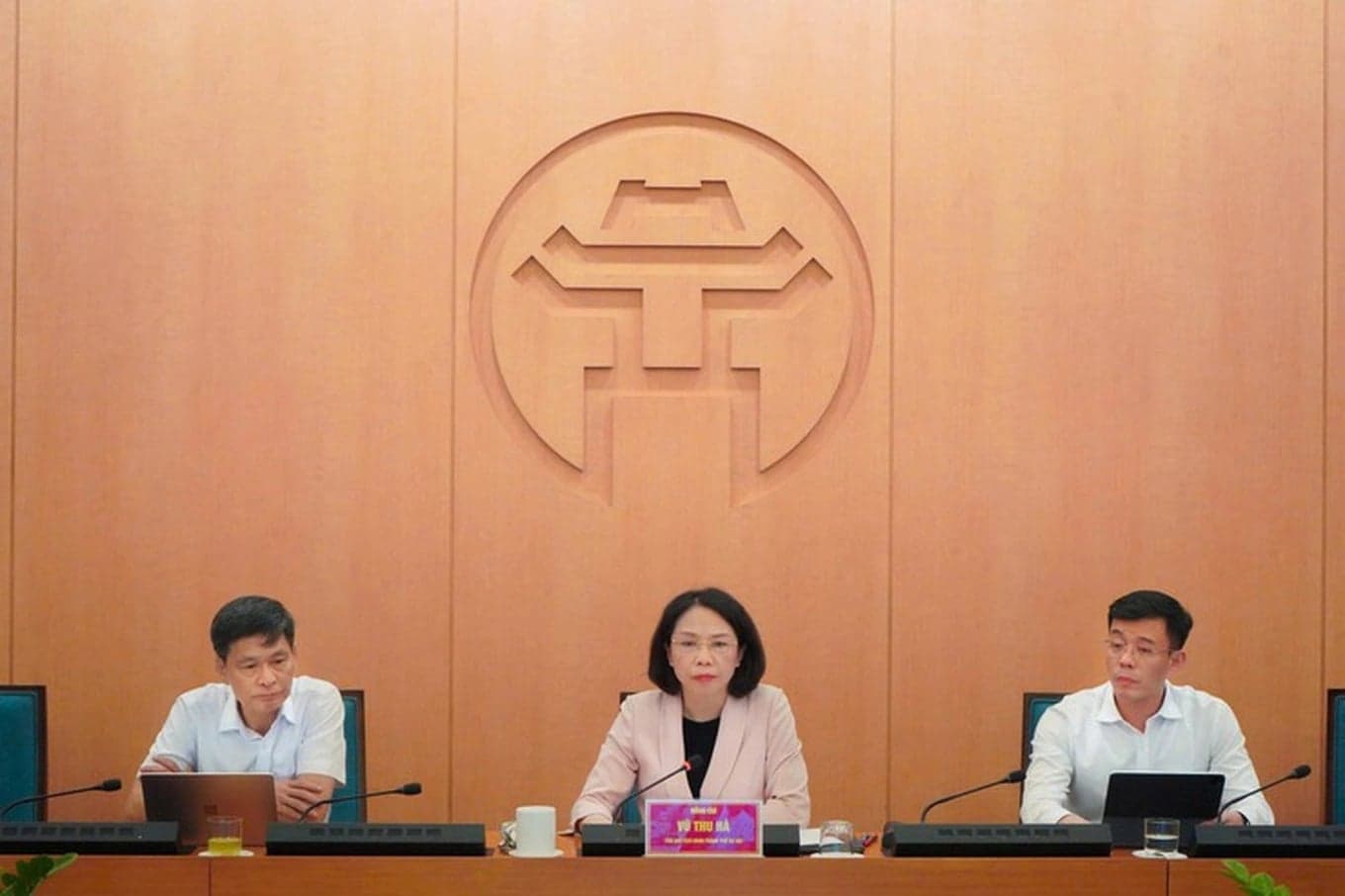
On November 4, Hanoi People's Committee Vice Chairwoman Vu Thu Ha held a meeting with departments and related organizations on implementing the HanoiTrace food safety management and food traceability system in the capital.
Under the proposed pilot, every handover of meat must be recorded and confirmed in the HanoiTrace system.
If a problem is found in a batch of meat at a school kitchen, delivery records could show which slaughterhouse supplied it and where the pigs were raised. The data could also identify other sales points and kitchens that received meat from the same batch, allowing authorities to contain it and recall it when necessary.
The slaughterhouse link
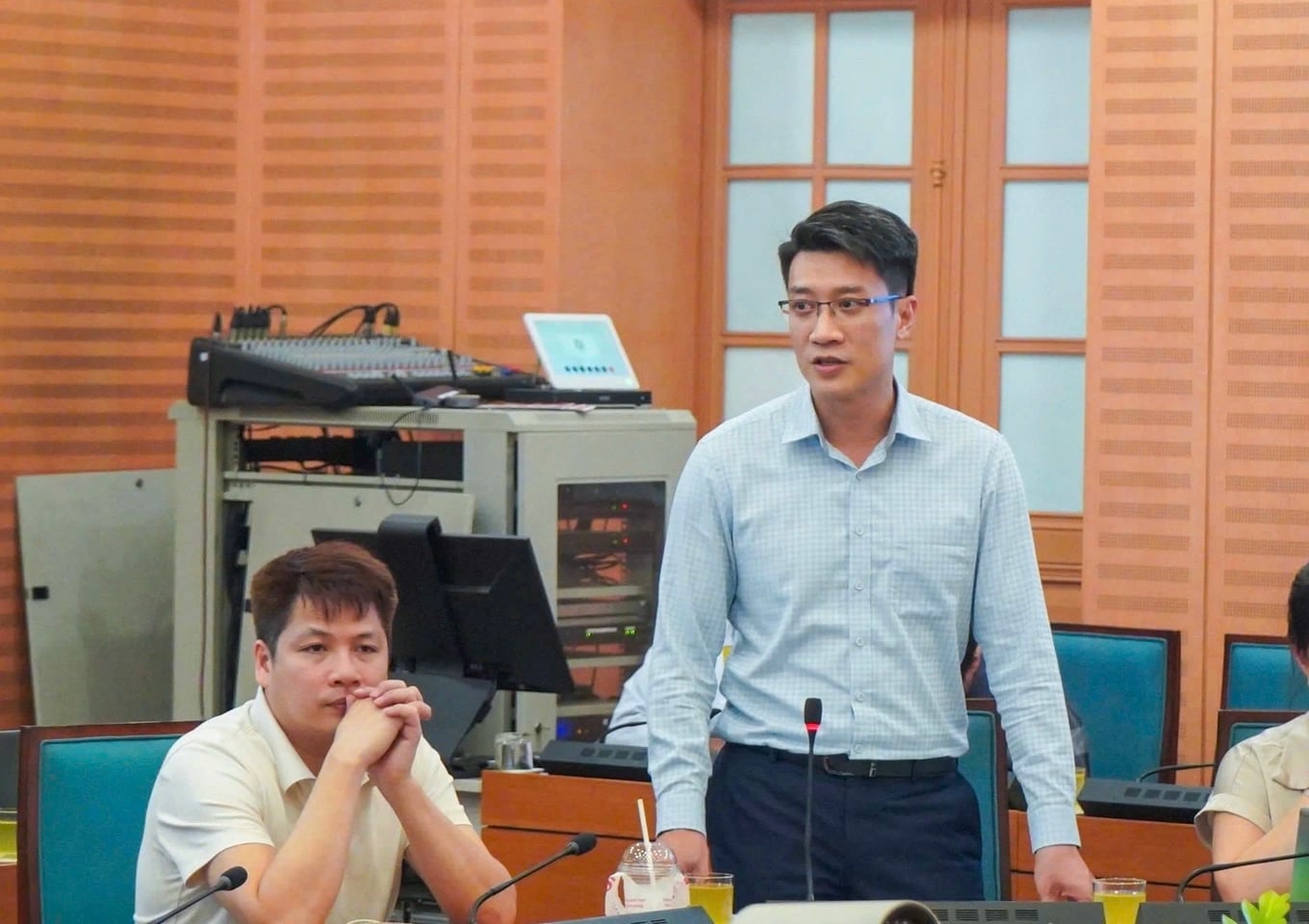
Nguyen Manh Dung, deputy director of Hanoi's Data and Artificial Intelligence Center, said the shared system is proposed to track livestock and poultry supply chains, initially focusing on pork.
The pilot is expected to include at least two complete supply chains in three to five communes or wards, with two livestock farms, two centralized slaughterhouses, 20 sales points and five collective kitchens.
Within the chain, the slaughterhouse links farm information to each batch of meat sent to market. Under the proposed process, it checks origin and quarantine records when pigs arrive.
After slaughter, the facility creates a batch code linked to information about the incoming herd. That link must remain in place when the meat is cut, packaged and delivered to each place of consumption.
Hanoi currently has about 73 centralized slaughterhouses, according to a report presented at the meeting. To develop a model process, the Department of Science and Technology and related organizations surveyed a slaughterhouse in Tran Phu Commune.
The survey team collected delivery records and compared them with the actual operating process to determine what data should be recorded at each stage.
Shared data across the chain
The Department of Science and Technology proposed a shared platform to manage the identification data of organizations, link shipment batch codes and receive data from companies' traceability software.
Under the plan, organizations could use software from different providers as long as delivery data is synchronized to track a batch of meat throughout its journey. The platform is expected to connect to the city's shared data warehouse and the iHanoi app.
Hanoi People's Committee Vice Chairwoman Vu Thu Ha asked departments to focus on developing and publishing standards and a model process that producers and businesses can use.
She said that with limited inspection resources, implementation should focus on supply chains that can be controlled through to the final point of sale or consumption.
The Department of Agriculture and Environment was assigned to review the technical process. The Department of Science and Technology is responsible for completing the electronic process and shared platform.
Under the plan, the steering committee will meet on December 4 to assess the first month's results and review the outcomes of food safety inspections.
Sources: Dân Trí

