
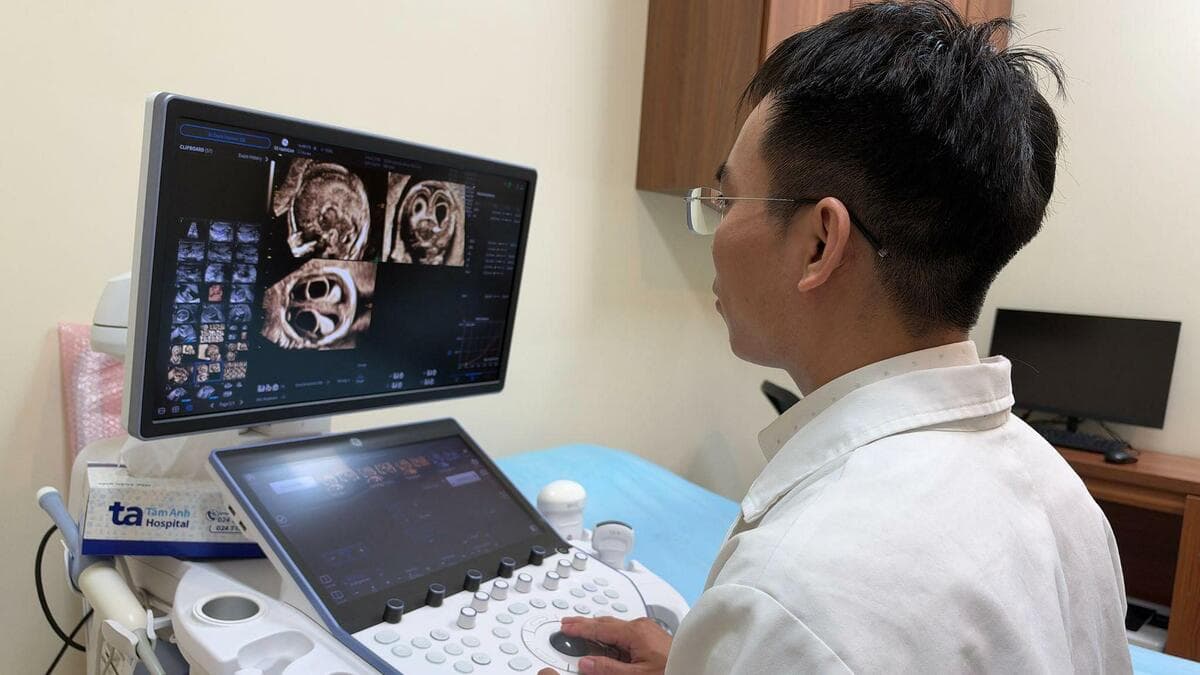
A 29-year-old woman in Hanoi developed progressively elevated liver enzymes during pregnancy, while scans showed abnormal fetal development. She had previously lost a baby at 28 weeks because of preeclampsia and HELLP syndrome, and another pregnancy stopped developing at six weeks.
She conceived through in vitro fertilization at Tam Anh General Hospital in Hanoi. At 21 weeks, an ultrasound showed a cyst near the frontal horn of the fetus's left lateral ventricle. At 24 weeks, doctors found that the fetal brain was not developing in line with gestational age.
Tests showed that the mother's liver enzymes rose as the pregnancy progressed, indicating worsening liver injury that could have led to liver failure.
Nguyen Viet Nam, a doctor at Tam Anh General Hospital's Obstetrics and Gynecology Center, said the combination of fetal abnormalities on ultrasound and unexplained maternal liver-enzyme elevation suggested a disease, including an inherited metabolic disorder. He advised amniocentesis to assess the risk of genetic and chromosomal abnormalities, but the family declined.
At 32 weeks and four days, the woman went into labor. Because of a previous cesarean scar, breech presentation, marginal placental attachment and elevated liver enzymes, doctors performed a cesarean section. The girl weighed 1.8 kilograms at birth. She later developed hypoglycemia with a blood glucose level of 2.3 mmol/L, respiratory failure, an enlarged heart and heart failure, and died after circulatory arrest at 32 hours of age.
Doctors screened the baby for congenital metabolic disorders. The test showed high levels of long-chain fatty acids. Gene sequencing from a blood sample found a homozygous HADHB c.583C>T (p.Arg195Ter) mutation, meaning both copies of the gene carried the mutation.
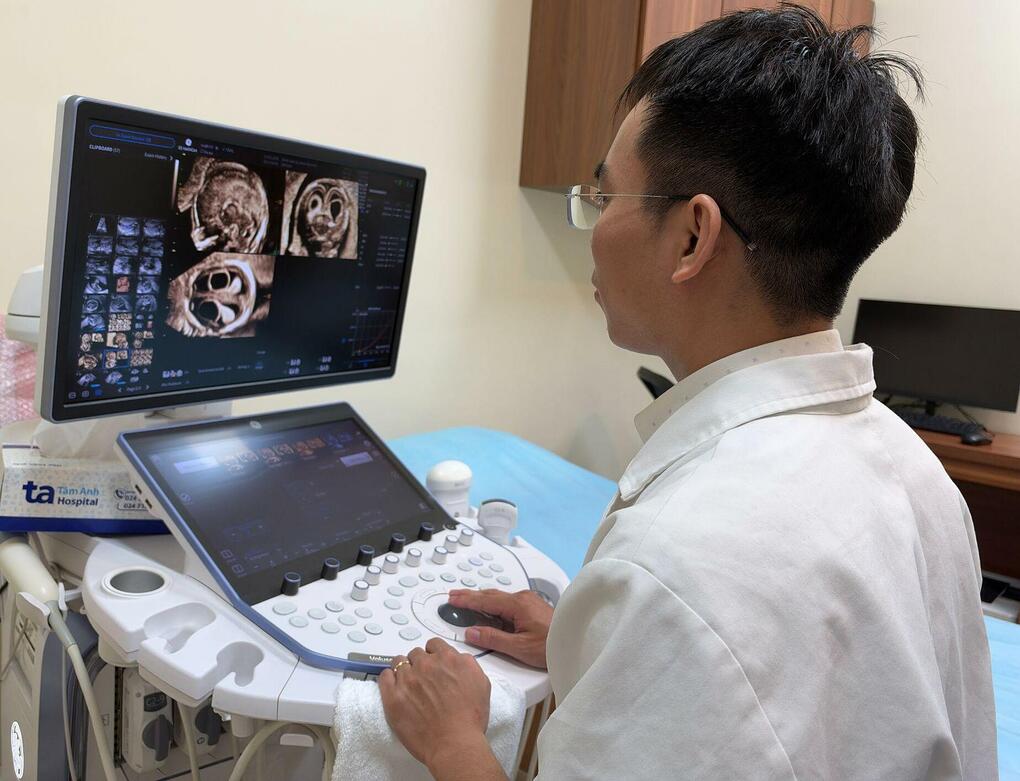
The HADHB gene helps break down long-chain fatty acids to produce energy. The mutation prevents the body from using energy from fat, causing metabolic products to build up and damage organs. Tests showed that each parent carried one copy of the variant. This explained how two healthy people could have a child with a recessive inherited disease.
In a fetus with the HADHB mutation, fatty-acid metabolism in the placenta is disrupted. Intermediate metabolic products build up and enter the mother's bloodstream. They damage liver cells and raise liver enzymes. The disorder caused acute fatty liver of pregnancy, preeclampsia, HELLP syndrome and premature birth.
After delivery, the woman's liver enzymes gradually fell and returned to normal after about two weeks. This course and the child's genetic test helped doctors confirm that the HADHB mutation caused the conditions in both mother and child.
Children with this mutation may develop low blood sugar while being unable to burn fat for replacement energy. Cardiomyopathy, liver failure and neuromuscular symptoms are also possible. Severity varies with the mutation and the form of the disease.
Finding that both parents carried the HADHB variant allowed the family to assess the risk in future pregnancies. In each pregnancy, there is a 25% chance that a child will inherit the variant from both parents, a 50% chance of inheriting one variant and a 25% chance of inheriting neither. For families with a confirmed disease-causing variant, IVF with embryo screening may help select an embryo with no variant or only one copy.
Doctors advise pregnant women with a history of preeclampsia, HELLP syndrome, acute fatty liver of pregnancy, premature birth or unexplained pregnancy loss to provide a full medical history. Newborns with unexplained hypoglycemia, heart or liver failure, or suspected metabolic disease need early assessment. Newborn screening from a heel-prick blood sample can detect some disorders early.
Sources: VnExpress

