

Hanoi is improving the quality of products under the One Commune, One Product (OCOP) programme, developing brands and expanding markets, including overseas markets. Digital transformation and links with tourism are creating new opportunities for local goods to reach international consumers.
Adding value to local products
Hanoi leads Việt Nam in the number of products evaluated and rated under OCOP, with 3,531 products. Eighteen have five stars, 22 are potential five-star products, 1,584 have four stars and 1,907 have three stars.
The city is shifting from increasing the number of certified products to improving quality, building brands and creating greater added value. In Bát Tràng, 70 OCOP products have ratings from three to five stars, about 50 of them ceramics.
A five-star jade-stream-glaze ceramic line made by Tân Thịnh Ceramics Production and Business Cooperative is sold across Việt Nam and exported to India. OCOP recognition has supported its reputation, promotion and business partnerships.
Đồng Phú Organic Agriculture Cooperative in Hòa Phú has developed four-star organic rice and soybeans on about 65 hectares. Partnerships, market-oriented production and purchases of freshly harvested paddy help maintain supplies and reduce farmers’ marketing pressures.
Thụy Lâm yellow-flower sticky rice has a three-star OCOP rating and collective trademark protection. Yields have reached about 180kg per sào, a traditional Vietnamese land unit of approximately 360sq.m. Paddy sells for VNĐ35,000 (US$1.35) per kilogramme, while growers’ incomes are two to three times higher than those from conventional sticky-rice varieties.
Digital transformation opens new markets
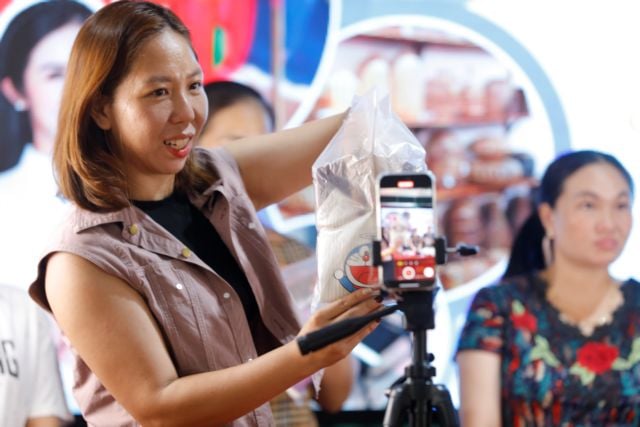
Hanoi is developing digital platforms to promote and sell OCOP products. Producers and cooperatives use social media, livestream sales and e-commerce to reach consumers directly. One hundred and 26 communes and wards have organised livestream sessions promoting products, handicrafts, culture and tourism.
Four livestreams in Thường Tín in August 2026 generated around 150 orders and nearly VNĐ200 million (US$7,740) in revenue. A session in Thượng Phúc craft village attracted nearly 600 orders and generated about VNĐ400 million (US$15,480).
The initial results show how digital technology is creating flexible sales channels. Sustainable competitiveness depends on consistent quality, suitable packaging, transparent traceability and effective distribution networks.
Hanoi is focusing on production standards, brand development, intellectual property protection and support for products that could achieve higher OCOP ratings. It is strengthening links with retailers, organising trade fairs and exhibitions, and developing logistics and cold-chain capacity.
The city is also connecting OCOP products with culture and tourism. Souvenirs, traditional craft experiences, QR codes telling product stories and tourism-linked sales outlets can add value and introduce visitors to Hanoi’s culture and way of life.
To gain a stronger foothold in international markets, Hanoi must turn its numerical advantage into quality, credibility and competitiveness. Sustainable production, professional branding, digital technology and cultural value can help its products build a stronger market presence.
OCOP is opening opportunities for Hanoi’s products to reach wider markets and introduce Vietnamese cultural identity to overseas consumers.
Sources: Viet Nam News

