
2026 is the first year of implementing the socio economic development agenda for 2026–2030. Hanoi aims to increase GRDP by at least 11%, expand the economy, mobilize more resources for development, complete infrastructure projects and provide social protection.
Third quarter growth reaches 10.02%
According to the city Department of Finance, GRDP grew 10.02% in the third quarter of 2026, the first double digit quarterly growth of the year. It was the highest rate in the first three quarters and above the 8.20% recorded in the third quarter of 2025. GRDP grew 8.85% in the first nine months, compared with 7.92% in the same period of 2025. Services grew 9.14%, industry and construction 8.8%, and taxes on products less subsidies 8.28%. Construction grew 10.89%, making it one of the fastest growing sectors.
Services and tourism provided the main contribution to nine month growth. Services accounted for more than 6% of the increase. Tourism received about 27.5 million visitors, up 6.2%, including 6.67 million international visitors, up 22%.
Hanoi has also made progress in urban planning, transport and city infrastructure. After the approval of the capital’s master plan with a 100 year vision, the city is preparing 125 plans at different levels.
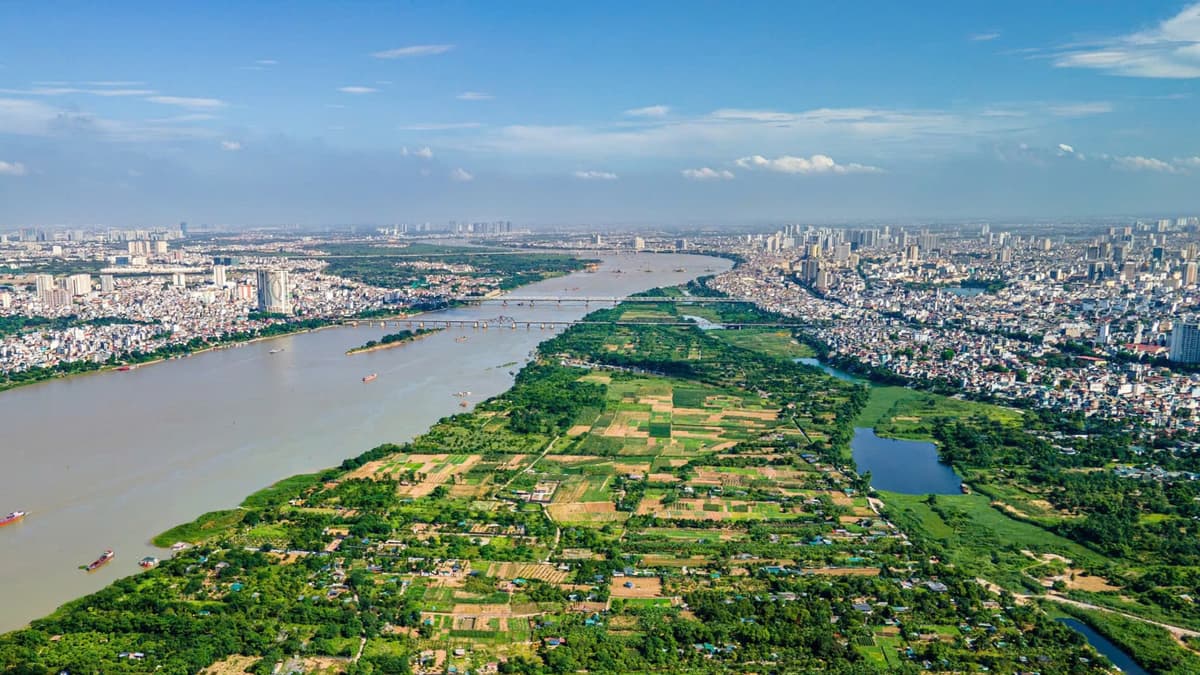
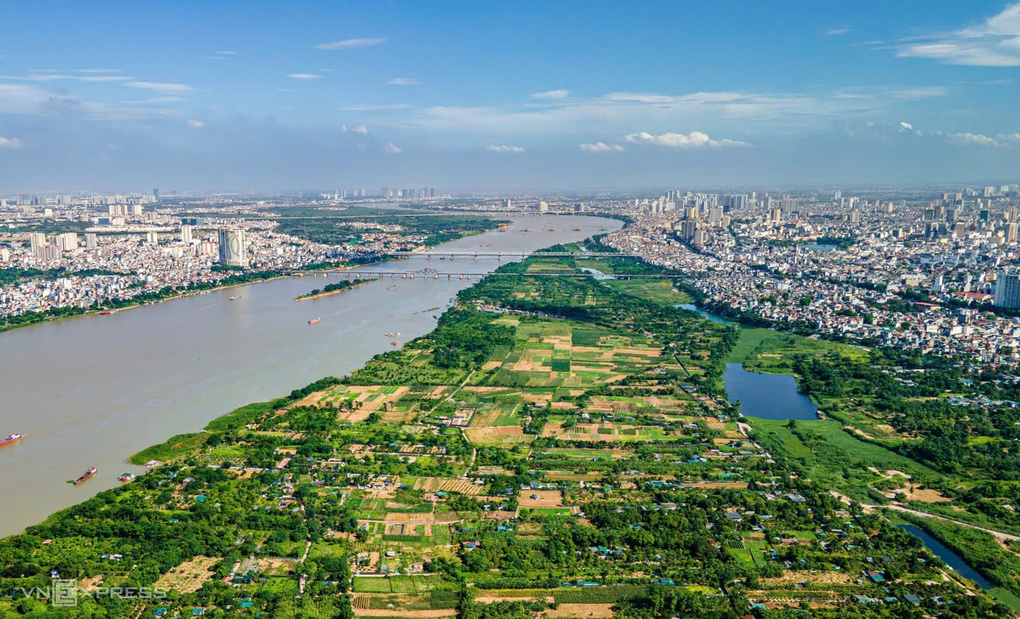
The city is accelerating 84 strategic infrastructure projects worth more than 330.45 trillion VND. They include Ring Road No. 4, where disbursement has reached 88.30%, the Nhon, Hanoi Station metro line tunnel, and major bridges across the Red River.
Hanoi has approved the restructuring of 1,552 administrative procedures, or 90.1% of the total. More than 6.2 million digital identification accounts have been registered on the iHanoi platform.
However, Deputy Director of the Department of Finance Do Thu Hang said businesses faced difficulties in the first nine months. Some 26,100 companies temporarily suspended operations and 10,600 were dissolved. Industrial production was uneven, while inventories in manufacturing rose 26.5% at the end of September.
Exports grew below expectations, and machinery, textiles and wood products declined. International trade policy and green standards continued to raise business costs. Average consumer prices rose 4.91% in the first nine months. Housing, electricity, water, education and construction materials became notably more expensive, affecting production costs and purchasing power.
The city aims to maintain double digit growth
Do Thu Hang said that reaching annual GRDP growth of more than 11% would require a very large increase in added value in the fourth quarter. The main growth drivers would have to accelerate at the same time.
The city is reviewing the growth gap after the third quarter, identifying the added value needed in the fourth quarter and preparing three scenarios, high, medium and low. Targets will be assigned to departments, local administrations and other agencies, focusing on sectors with large economic weight and room for rapid growth.
Key sectors, projects and targets will be monitored regularly so that emerging problems can be addressed quickly. Hanoi considers public investment, construction and major projects its main controllable growth drivers in the fourth quarter.
The city will continue to assign and review disbursement progress for each investor and project. It plans to address obstacles related to land clearance, land procedures, investment approvals, material supplies and construction. The measures are intended to speed up transport, urban railway, Red River bridge, flood prevention and other major infrastructure projects.
Another priority is private and foreign investment. Hanoi is preparing serviced land, publishing a list of projects seeking investment and attracting capital to high technology, semiconductor manufacturing, artificial intelligence, research and development, and manufacturing.
The city will also support industrial production and exports, help businesses expand and hold direct meetings with major industrial and export companies. Officials will address problems involving credit, land, raw materials, energy, labour, logistics and investment procedures.
Hanoi will continue developing science, technology, innovation and digital transformation, including by removing obstacles to the use and disbursement of funds for these areas.
The Department of Finance said little time remained until the end of the year. Hanoi will therefore continue working with clear goals, tasks, responsible agencies, deadlines and results. Specific targets will be assigned to departments, local administrations and investors. Progress will be reviewed regularly, and the responsibility of leaders will be tied to results.
Sources: VnExpress, VietnamPlus

