
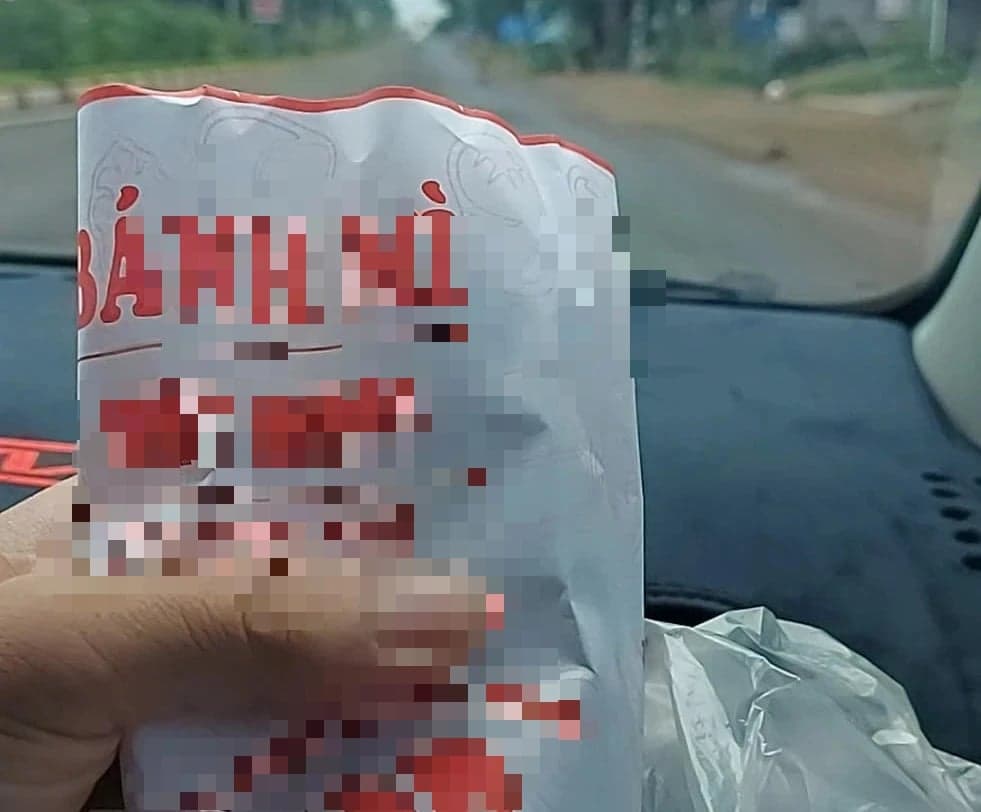
More than 600 food service establishments in Gia Lai province have not received food safety certificates and need to be reviewed and dealt with.
At a November 5 session of the Gia Lai provincial People's Council, delegates discussed food safety management at small businesses, food service establishments and street food vendors.
Le Quang Hung, director of the Gia Lai Department of Health, said the province recorded two cases of food poisoning or suspected food poisoning in the first nine months of the year. They were linked to banh mi businesses under commune-level management and affected 378 people, with no deaths. The number of people affected rose by 218 from the same period in 2025. Investigators identified Salmonella spp. in one case, while the cause of the other remains unknown.
Hung said recent mass food poisoning incidents mainly occurred at street food businesses, especially banh mi vendors.
A banh mi usually contains 15 to 20 types of food and seasonings. Many people choose it because it is tasty, filling and inexpensive. However, few banh mi stalls have cold storage. On hot days in central Vietnam, outdoor temperatures can exceed 38 or 40 degrees Celsius, so food safety risks can arise at any time.
In response, the Department of Health launched the 2026 pilot model "Safe Banh Mi Gia Lai" at 20 establishments. It focuses on the origin of ingredients, preparation areas, personal hygiene and food storage. The health sector held two training courses and created a QR code that residents and visitors can use to check the origin of ingredients and preparation procedures at participating establishments.
187 establishments fined for food safety violations
According to the Department of Health, the province has more than 13,300 food establishments under regulatory oversight. Provincial authorities manage more than 2,700, while commune-level authorities manage more than 10,600.
Commune-level authorities oversee about 6,500 street food businesses, 3,300 food service establishments and 800 collective kitchens. Of the 3,300 food service establishments required to hold a food safety eligibility certificate, 2,600 have received one. More than 600 have not.
During the first nine months of 2026, the Food Safety and Hygiene Sub-Department inspected and fined 76 establishments, with fines totaling more than 300 million dong.
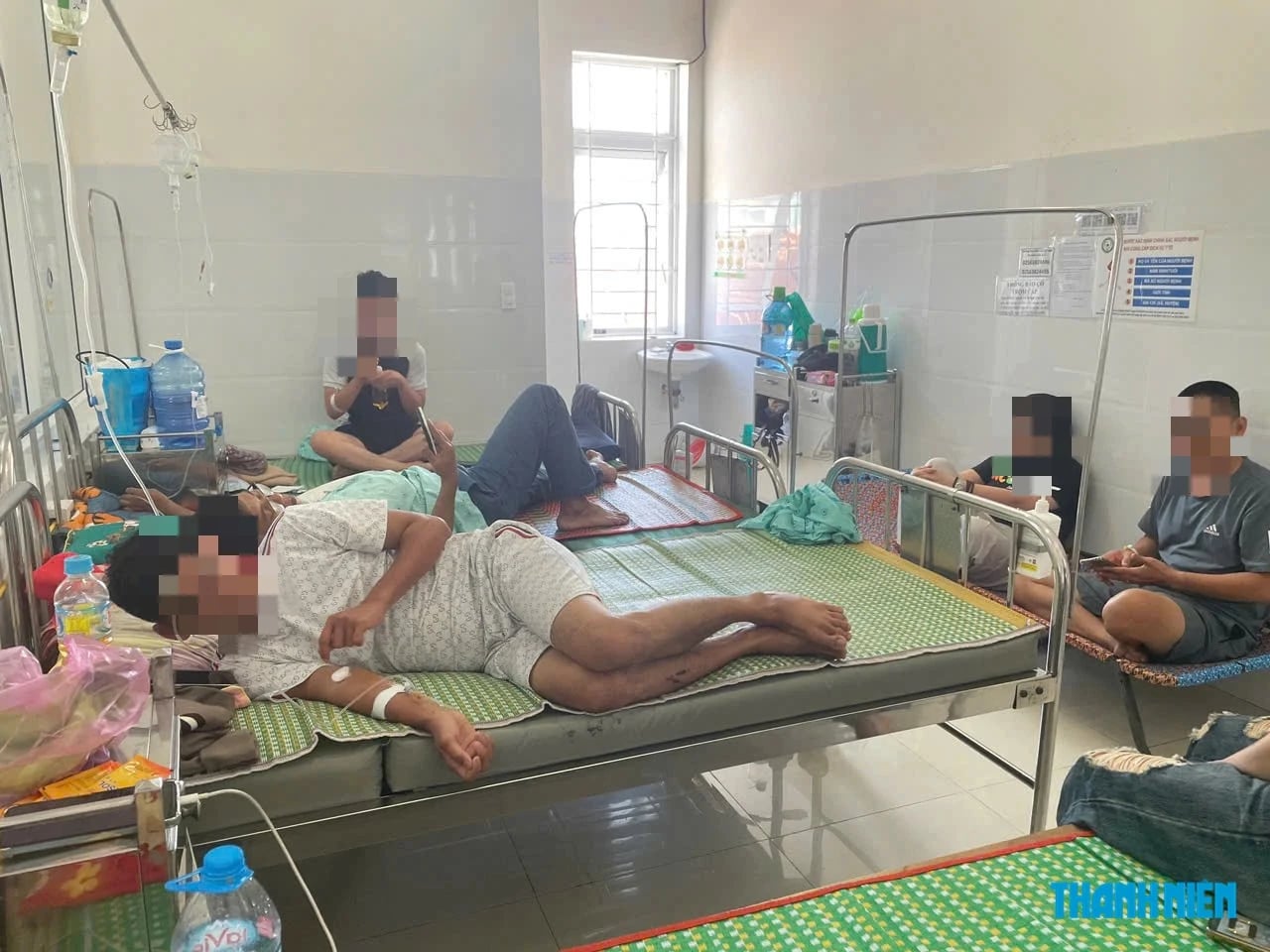
At commune level, interagency inspection teams inspected and fined 111 establishments for about 200 million dong. In total, 187 establishments across the province received administrative fines totaling more than 500 million dong.
Health officials collected 140 food samples from 40 food service establishments and street food businesses for testing. A total of 137 samples met the requirements, while three did not. The failed samples included pork sausage and processed meat that did not meet the E. coli criterion.
In his closing remarks, Rah Lan Chung, chairman of the Gia Lai People's Council, asked the provincial People's Committee to review more than 600 businesses without food safety eligibility certificates, help eligible businesses complete the paperwork and increase inspections.
Chung also called for an assessment of the "Safe Banh Mi Gia Lai" model to determine whether it should be expanded, as well as stronger commune-level food safety staffing, additional personnel and professional training.
The council chairman said food safety management must cover every stage, from production, cultivation and animal husbandry to preparation and distribution. Departments should jointly inspect production processes and control food quality from the input stage.
Sources: Thanh Niên

