
Septic shock and multiple organ failure after eating tiết canh
Over two weeks, the emergency department of the National Hospital for Tropical Diseases received four patients with Streptococcus suis infection confirmed by culture. All had epidemiological links to pigs or pork products.
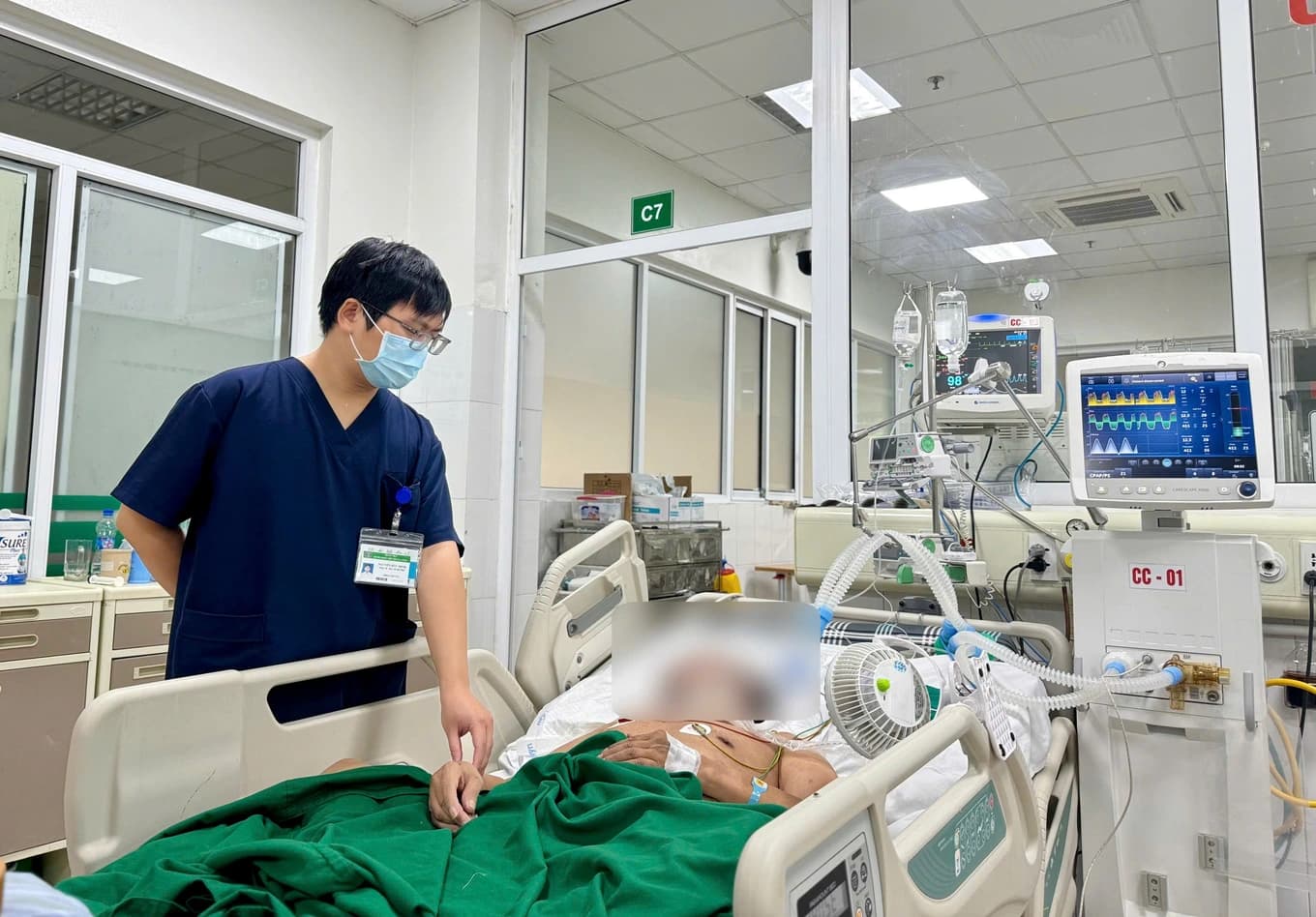
Nguyễn Đức Minh, a doctor in the emergency department, said the most severe case was P.T.S., a 53-year-old man from Hai Phong who regularly ate tiết canh.
About two days before admission, the man ate tiết canh. He then developed abdominal pain, repeated loose stools and fatigue, followed by a sudden drop in blood pressure.
At the first medical facility, doctors diagnosed septic shock and multiple organ failure. He needed vasopressors before being transferred to the National Hospital for Tropical Diseases.
When he reached the emergency department, the man was critically ill, confused and agitated, with mottled cyanosis across his body, a rapid pulse and blood pressure that was difficult to measure.
Tests showed very high inflammation markers, acute kidney failure, liver injury and severe clotting abnormalities. His platelet count had fallen to 29 G/L and fibrinogen was below 0.35 g/L. He also had severe metabolic acidosis, with lactate reaching 13 mmol/L, indicating shock and severely reduced tissue perfusion.
Doctors urgently intubated him, put him on a ventilator, gave vasopressors and antibiotics, and started continuous dialysis.
According to Nguyễn Đức Minh, Streptococcus suis infection can progress very quickly, particularly in severe sepsis. When circulation collapses, organs do not receive enough blood and oxygen, leading to kidney failure, liver injury, respiratory failure and metabolic disorders.
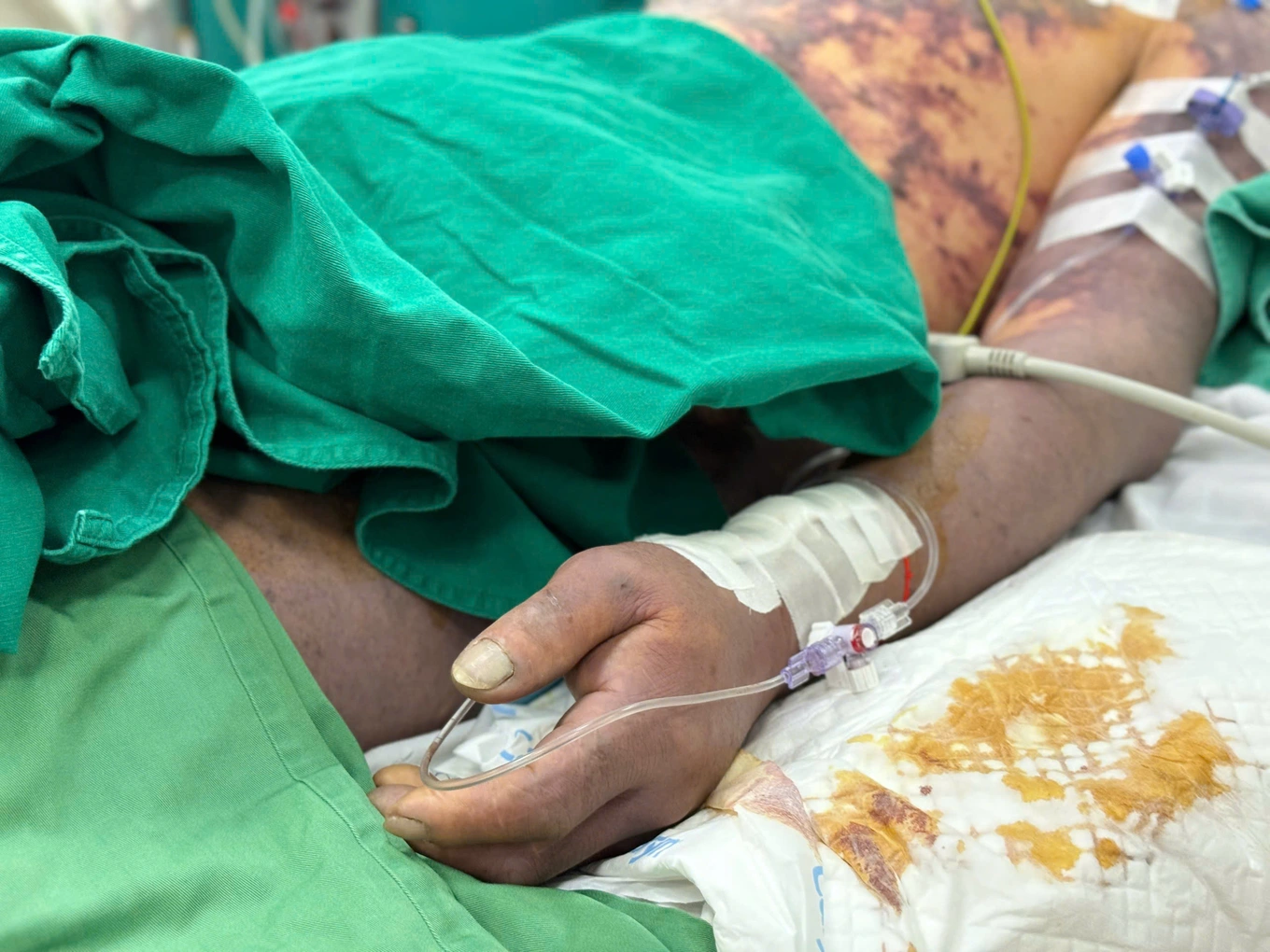
Clotting abnormalities can also cause bleeding and blood clots in small vessels, damaging the skin and extremities. Severe cases can develop necrosis and may require amputation.
Some of the patients had meningitis, with fever, severe headache, confusion and altered consciousness. Their condition gradually improved after diagnosis and treatment with appropriate antibiotics. Some, however, continued to have headaches and hearing loss.
Pigs can carry the bacteria without showing illness
Nguyễn Đức Minh said the disease is caused by the bacterium Streptococcus suis. It can be present in pigs without clear signs of illness.
People can become infected through contact with blood or secretions from infected pigs, especially through skin wounds. Infection can also follow eating tiết canh, raw or undercooked pork, and other products that have not been thoroughly cooked.
In humans, the disease most often appears in two severe forms: meningitis and sepsis. In addition to being life-threatening during the acute stage, it can cause lasting effects such as hearing loss, neurological damage or necrosis of the extremities.
Trần Văn Bắc, deputy head of the emergency department, advised people not to eat tiết canh or raw or undercooked pork.
People who raise, slaughter or process pork should use gloves, boots and protective clothing, cover skin wounds and avoid direct contact with animal blood and secretions. They should not slaughter or use pigs that are ill or have died of an unknown cause.
After eating tiết canh or undercooked pork, or after contact with pigs, anyone who develops fever, severe headache, vomiting, confusion, altered consciousness, diarrhoea or unusual bleeding rashes should seek medical care immediately.
During the examination, patients should tell the doctor about their food history and contact with pigs so the doctor can guide diagnosis and treatment promptly.
Sources: Dân Trí

