

Poor-quality food packaging can allow heavy metals and chemicals from inks, adhesives and plastic to migrate into food, posing a risk to consumers' health.
At a scientific seminar on packaging and food technology held on October 28 by the Vietnam Association of Food Safety Science and Technology (Vinafosa), experts warned about food-safety risks linked to packaging, especially plastic.
Le Van Truyen, a former deputy health minister, noted that many foods, including milk and ice cream, are processed in liquid form. Controlling substances that can migrate from packaging into food is therefore important. He said scientific and technological research is needed to reduce these risks.
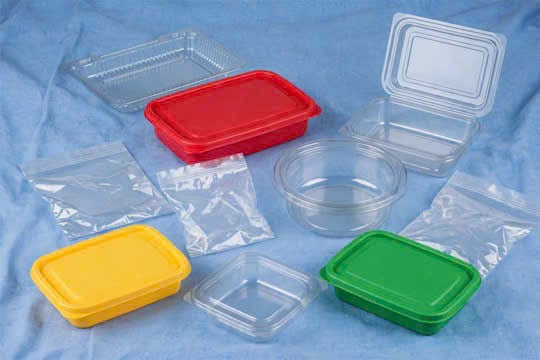
Nguyen Van Nhien, vice chairman of Vinafosa, said packaging that does not meet technical standards may contain or become contaminated with toxic substances. Other risks come from heavy metals and substances migrating above permitted limits.
Inks, adhesives, coatings and unsafe recycled materials can also become sources of food contamination.
Tran Huy Hieu of the Center for Food Safety Risk Assessment at the National Institute for Food Safety Control explained that plastic production may involve incomplete reactions, leaving some of the starting materials in the finished material.
When packaging comes into contact with food, some residual substances may migrate into it and expose consumers to them. Poor-quality plastic may also contain impurities, catalysts, additives and stabilizers.
According to the International Agency for Research on Cancer, arsenic and inorganic arsenic compounds, as well as cadmium and its compounds, are classified as carcinogenic to humans.
Experts proposed strengthening inspections of packaging manufacturers, helping consumers identify safe packaging, and encouraging businesses to use biological materials that are less harmful to the environment.
Sources: Thanh Niên

