
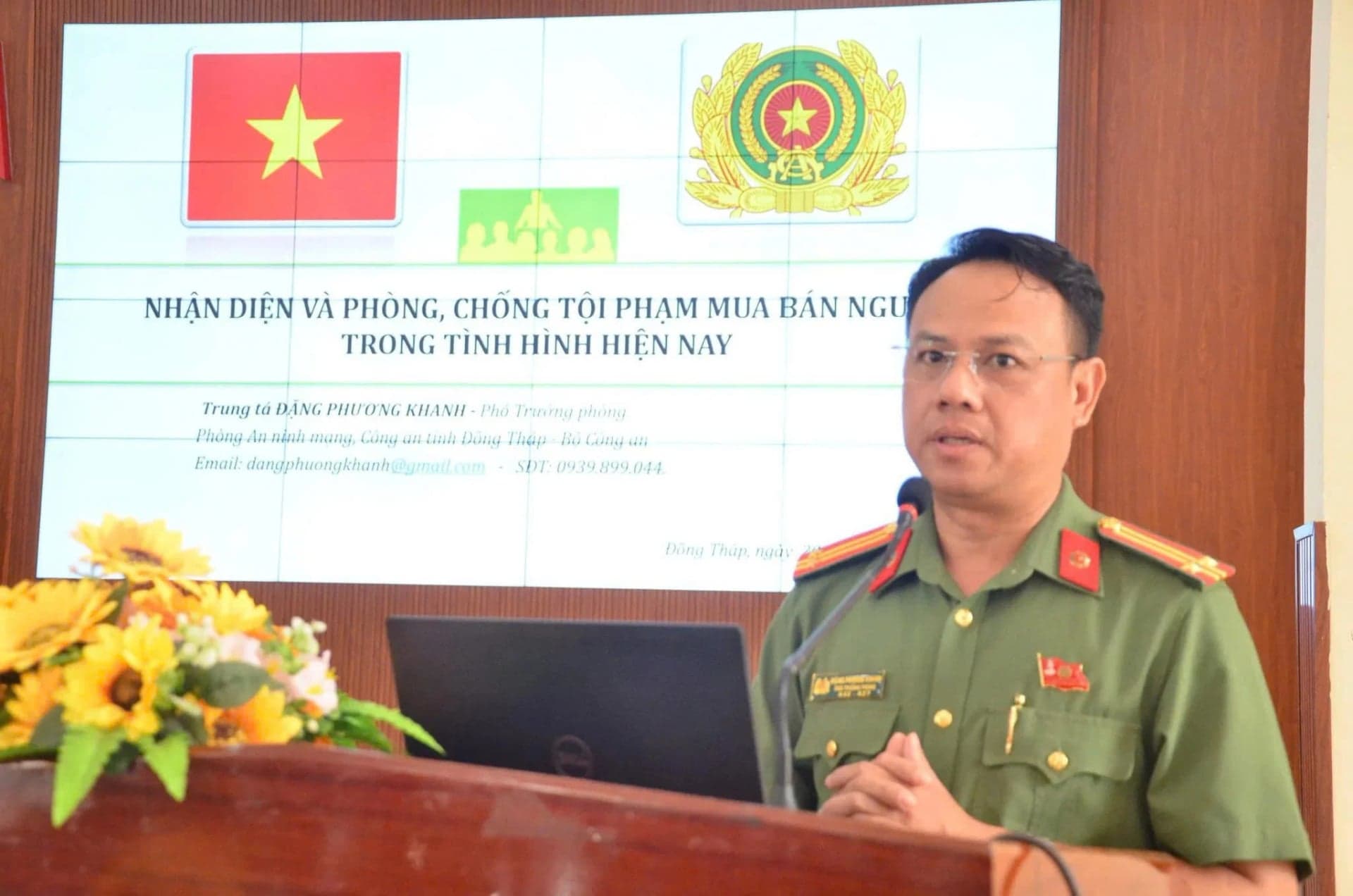
Criminals are increasingly using social media to lure and control victims. Dong Thap police have expanded public education and are teaching pupils, students and residents how to recognize and prevent these threats.
Beware of online traps
Criminals offer “easy jobs with high pay” or begin romantic relationships online. Women and children in remote areas can be targeted, as can young people, students and workers who are not sufficiently cautious.
In the past, offenders more often used acquaintances, relatives or direct brokers. They now use the internet to reach victims quickly. After gaining trust, criminals may offer jobs, travel abroad or unclear relationships, then control and exploit people, force them to work at online scam compounds or force them into prostitution.
According to Dong Thap provincial police, from 2021 to 2025 authorities received and coordinated investigations into 2 cases involving 2 suspects linked to human trafficking under the guise of “easy jobs with high pay”. This was 1 fewer case than in 2016–2020. Police also received and verified 5 reports from families whose relatives were suspected of being tricked into going to Cambodia for work. Six citizens were helped to escape and return home safely.
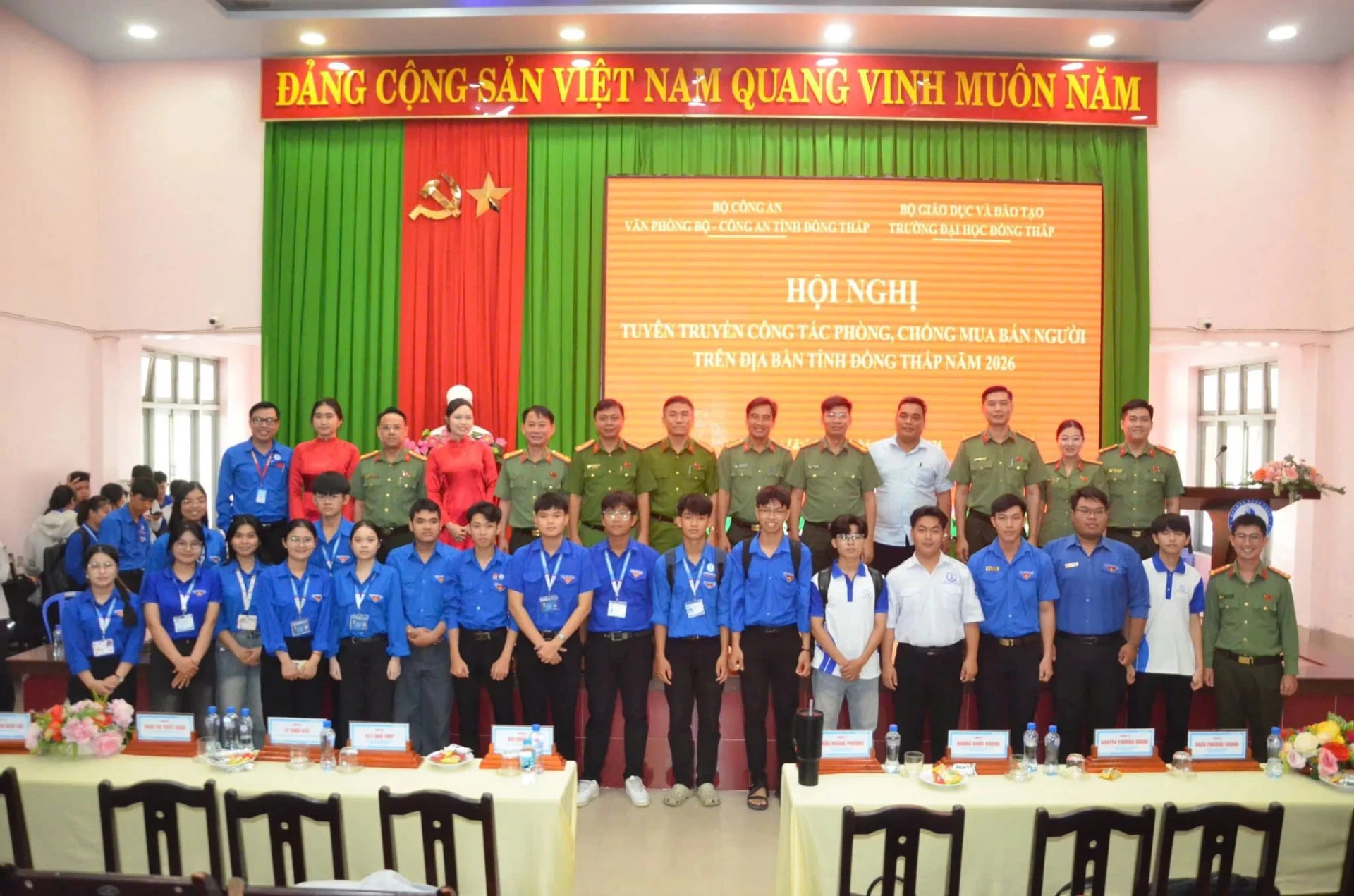
Since the beginning of 2026, Dong Thap police have not recorded any human trafficking cases. However, law enforcement agencies took part in 18 operations in which hundreds of Vietnamese citizens were expelled and handed over by authorities in the other country. Among them, 37 people were prosecuted for using computers, telecommunications networks and electronic devices to commit property fraud, while 51 received administrative penalties for crossing the border without completing the required exit procedures.
Police have increased public education so residents can recognize scams, especially offers of overseas work with high income when there is no clear contract, the recruiter cannot be verified or the offer involves illegal departure.
Building self-protection skills
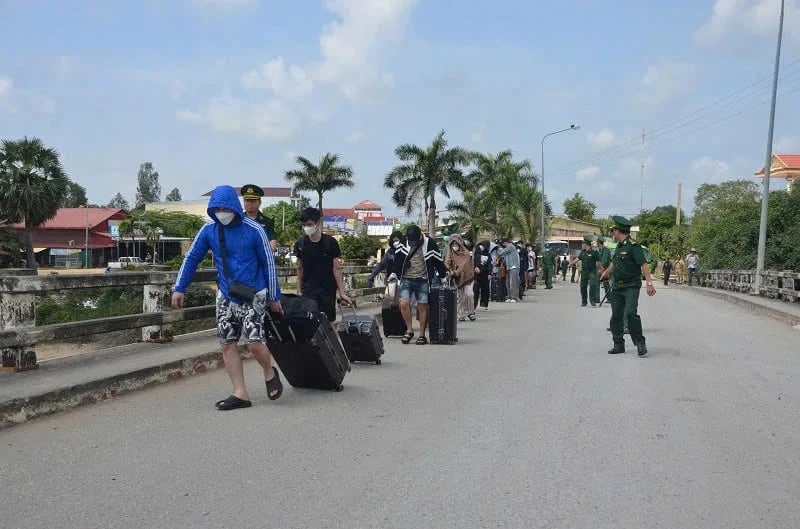
During the 2026–2027 school year, Dong Thap police worked with 3 educational institutions and the provincial Youth Union to launch the “Not Alone 2026: Connection Without Harm” campaign. About 5,000 pupils, students and young people took part.
At the programme, police called on families, schools and the community to build a safe and healthy online environment. Students were taught to recognize warning signs in online relationships, such as a stranger trying to become close too quickly, asking them to keep the relationship secret from their family, or luring them into sharing personal information or private images that could later be used for threats and control.
Nguyen Hoang Vu, a student at Dong Thap University, said the programme helped him better protect personal information, avoid opening applications and software from unknown sources, and be more cautious about attractive offers on social media. He also plans to share what he learned with relatives and friends.
In October 2026, Dong Thap police continued to work with the Ministry of Public Security office, Dong Thap University, Tien Giang College and the Tan Hong commune People’s Committee to hold human-trafficking prevention sessions. More than 1,100 pupils, students, lecturers and residents attended.
Two sessions covered ways to improve the prevention of and fight against human trafficking, as well as the risks caused by a moment of carelessness. Law enforcement officers warned about online romance traps, job offers, cheap overseas study and promises of quick paperwork.
The Cybersecurity Division also warned about “online kidnappings”. Offenders may impersonate government officials to threaten and control victims, force them to follow instructions, or make a family believe that a relative has been kidnapped and demand money. People should stay calm, verify suspicious information, never transfer money on request and not isolate themselves from others at a stranger’s direction.
Anyone who suspects they are being lured, threatened or controlled should stop communicating, refuse further demands, save messages and other evidence, and tell relatives or law enforcement. Suspected human trafficking can be reported to the National Child Protection Hotline at 111, the emergency number 113, the nearest police station or the “Report a Crime” section of the VNeID app.
Dong Thap police urged residents to verify information themselves, be wary of unusual promises and seek help quickly when they face danger. Cooperation among families, schools, the community and law enforcement can help prevent human trafficking and protect residents.
Sources: Thanh Niên

