
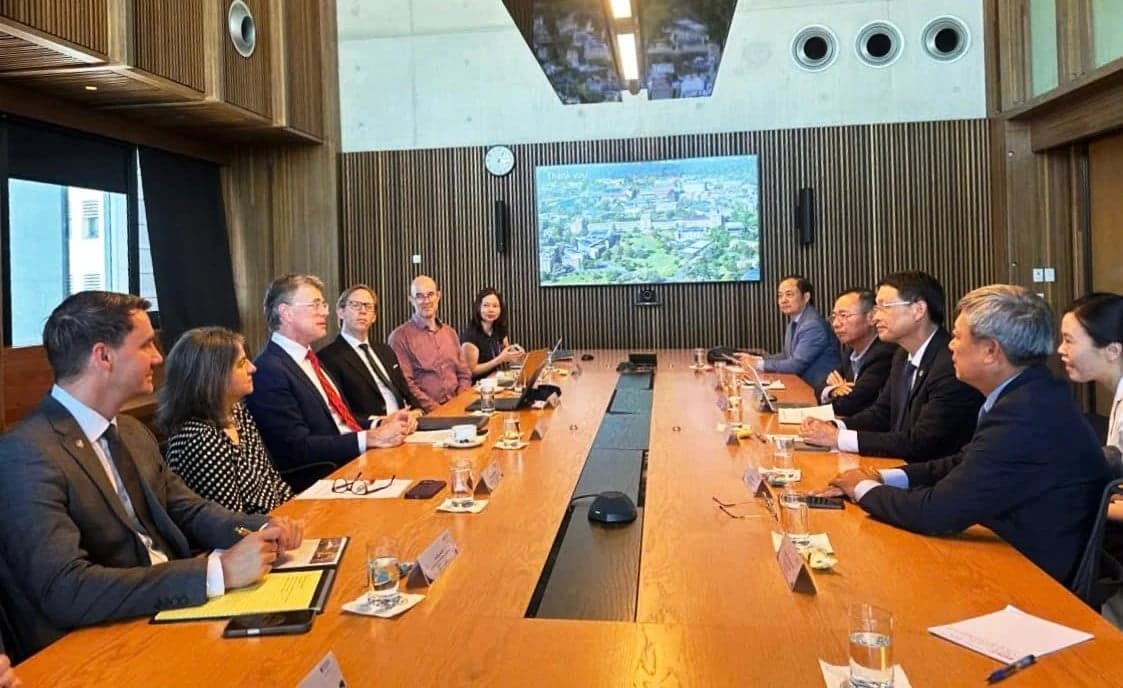
A Da Nang leadership delegation led by municipal Party Committee Deputy Secretary Ngo Xuan Thang visited the University of Queensland in Australia on November 4. The sides discussed bilingual education, workforce training, artificial intelligence, applied research and the pharmaceutical industry.
UQ representatives said the university has about 60,000 students, more than 8,500 staff and a global alumni network of 370,000 people. It is among the world's top 50 universities in the QS rankings.
UQ conducts research in agriculture, life sciences, medicine and pharmaceuticals, energy, AI and commercialization. The university promotes cooperation among government, universities and businesses to bring scientific achievements into practice.
Da Nang officials said the city has gained broader development space after the merger, including a free trade zone, a planned international financial center, seaports, an airport and high-tech zones. The city needs specialists with deep expertise, foreign-language skills and international work experience.
One focus was making English a second language in schools. UQ introduced long-term training, student exchanges and support opportunities from Australia Awards, Aus4Skills and Australia Awards Fellowships. Both sides said these areas could support a specific cooperation program.
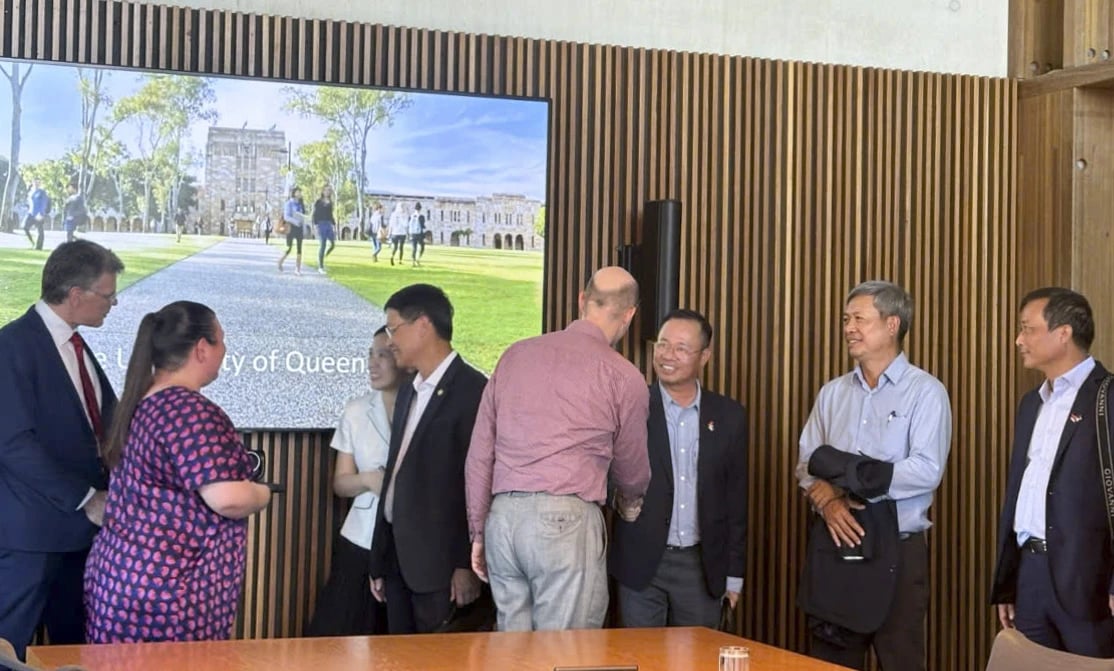
Pharmaceutical development and applied AI research
Da Nang People's Committee Vice Chairman Ho Quang Buu described the city's medicinal plant resources after the merger. The area has about 830 species, including rare plants such as Ngoc Linh ginseng.
The city wants to develop a science and technology-based pharmaceutical industry rather than stop at extracting raw materials.
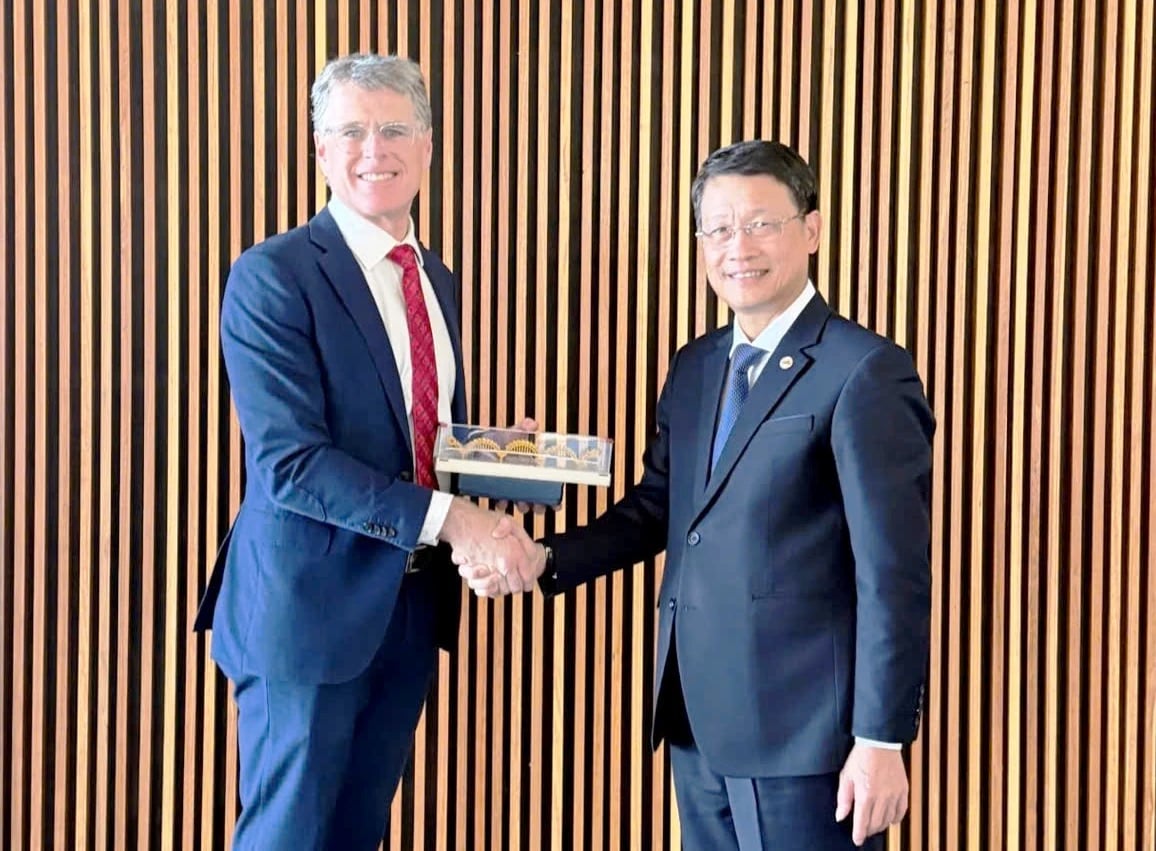
Ho Quang Buu proposed cooperation with UQ in biotechnology, pharmaceutical chemistry, life sciences and active-compound assessment to support product research, deeper processing, and improvements in the quality and commercial value of medicinal plants.
Vu Quang Hung, head of Da Nang's high-tech zone and industrial parks management authority, proposed stronger links between UQ, research institutes, international scientists, businesses and the city's high-tech ecosystem for applied research, technology transfer and commercialization.
UQ described AI research in healthcare, agriculture, manufacturing and energy, along with an interdisciplinary model combining computer science with engineering, business and social sciences. UQ said it was interested in Da Nang's high-tech and free trade zones.
Brett Lovegrove, UQ's deputy vice-chancellor for global partnerships, identified workforce training, links between AI and high-tech research and the city's zones, and cooperation in biotechnology, agriculture, life sciences and medicinal plants as areas for further work.
UQ proposed prioritizing English training and teacher development as the first steps.
Ngo Xuan Thang welcomed UQ's proposals and said he hoped the sides would turn the discussions into a practical cooperation program. He assigned the Department of Foreign Affairs to coordinate further work with UQ and advise on implementation.
Sources: Thanh Niên

