
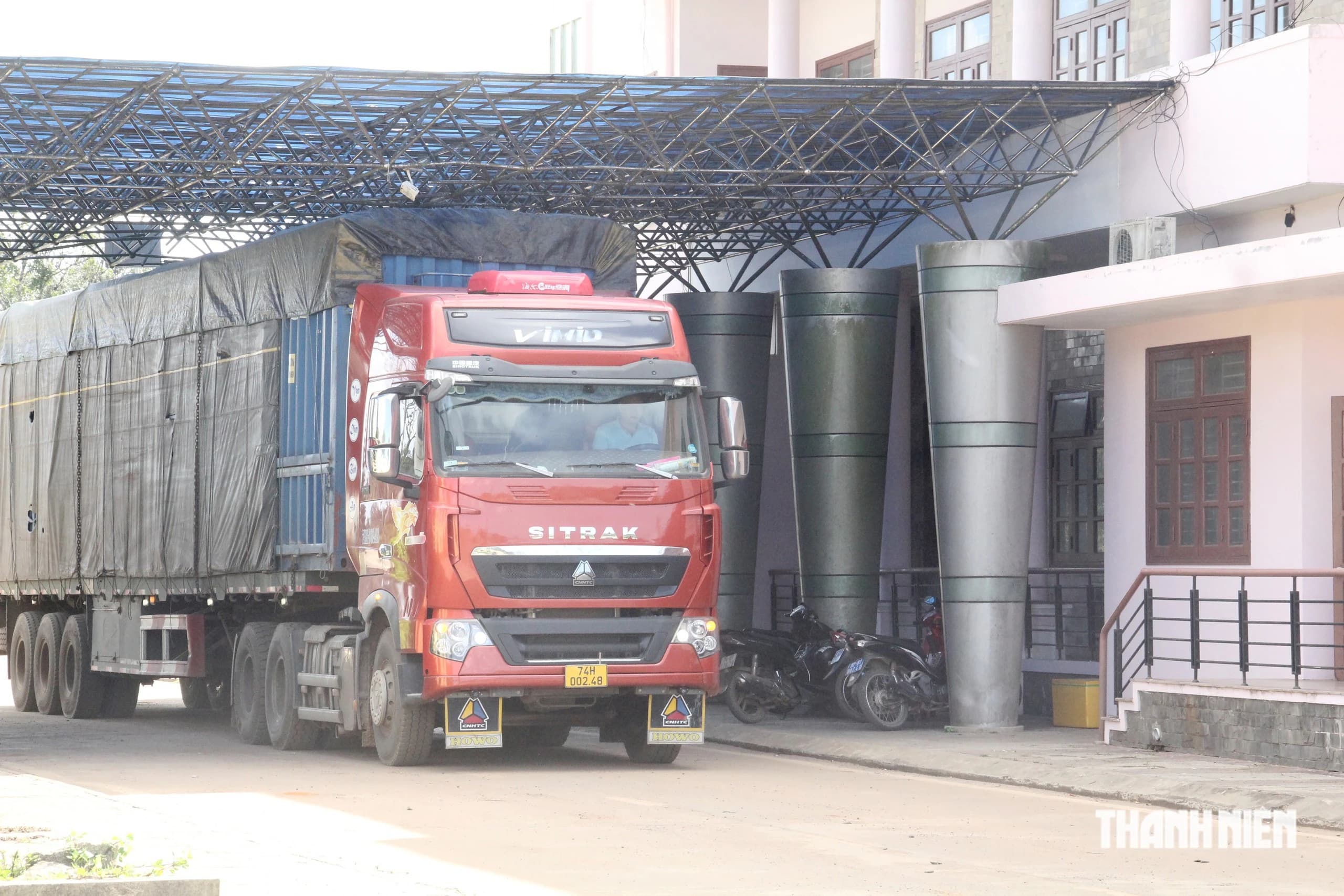
Because trucks with four or more axles are banned from National Route 14D during the upgrade, Da Nang and Sekong are seeking a way to avoid interruptions to imports and exports through the Vietnam Laos border gates.
Leaders of Da Nang and Sekong met on October 20 to discuss traffic arrangements while Route 14D is rebuilt.
A key route on the East West Economic Corridor
Da Nang's Department of Construction said Route 14D is 74.4 km long. It links the Ho Chi Minh Road with the Nam Giang Dak Ta Ooc international border gates and is part of the East West Economic Corridor.
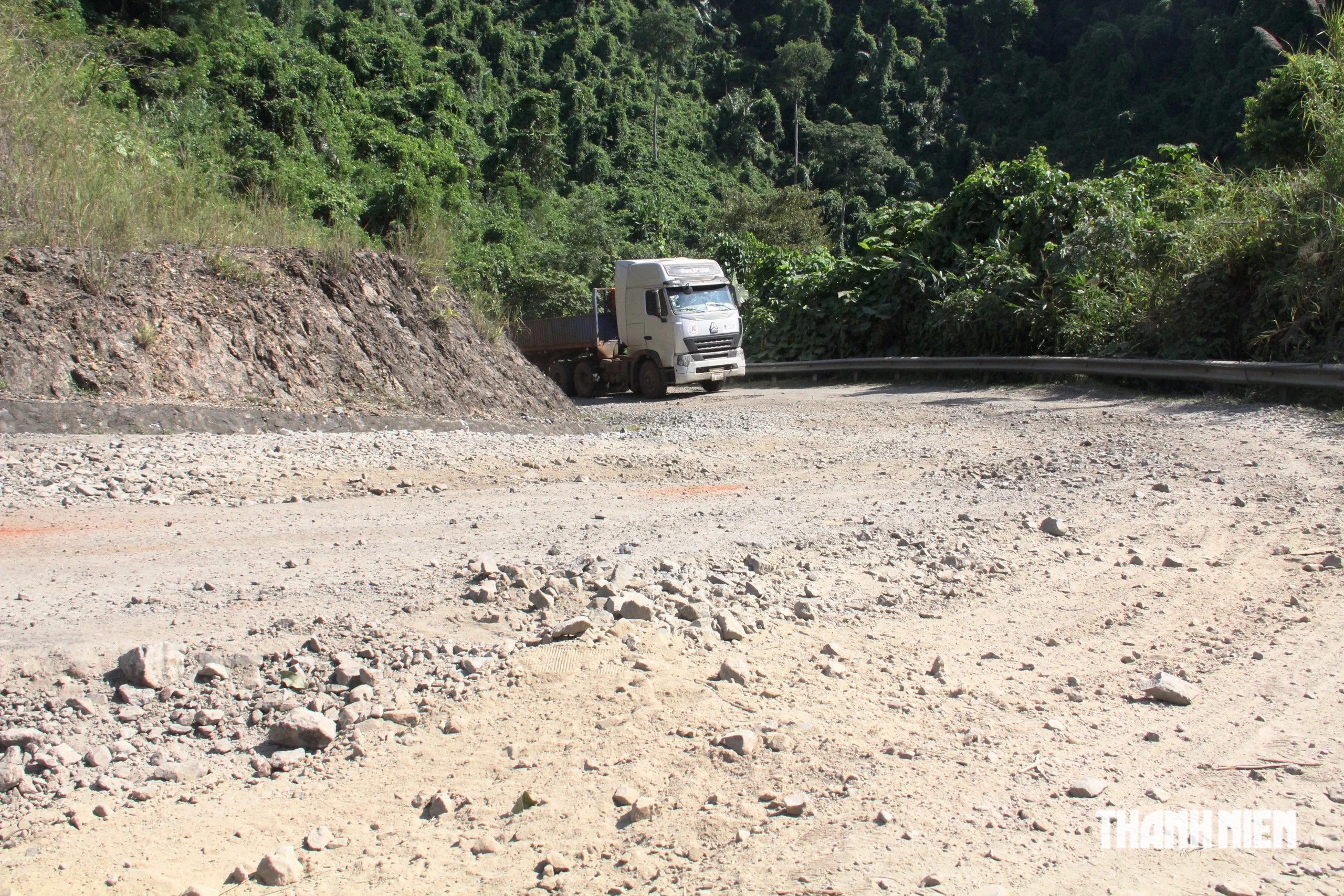
The number of trucks carrying ore from Laos rose sharply from 2023, causing the road to deteriorate quickly. Many sections were damaged down to the soil, creating dust and mud and increasing traffic safety risks.
The upgrade is underway along the entire road and is expected to finish in 2027. Traffic is difficult because of damaged pavement and winding temporary roads, with a high risk of congestion. There is no suitable alternative route for container trucks and long vehicles.
Da Nang proposed transferring ore from six axle trucks to three axle trucks.
Sekong chairman Khanti Silavongsa said Route 14D is important for the East West Economic Corridor, freight transport, and economic development in the border area.
He said the road linking Vietnam's Nam Giang border gate with Laos's Dak Ta Ooc gate would support trade. The sides need a traffic plan that protects safety, keeps construction on schedule, and avoids stopping freight transport.
Sekong also proposed working with companies to find a transshipment option and keep imports and exports moving.
Two transport options proposed for testing
Da Nang People's Committee standing vice chairman Ho Ky Minh said the project is funded by the central government, so construction and disbursement targets must be met in 2027.
He said the option must support Sekong trade, protect residents, drivers, and construction crews, and avoid affecting the project schedule.
Da Nang proposed an interagency task force to survey the road between Nam Giang and Ben Giang and then test two options.
The first would transfer goods to trucks with three or fewer axles and a capacity of about 25 tonnes.
The second would allow trucks with four or more axles to operate, while limiting their load to about 25 tonnes.
Thanh Niên previously reported that Da Nang banned trucks with four or more axles from Route 14D from 00:00 on October 10, 2026, until the project is completed and the road reopens.
The exception covers vehicles carrying essential goods, taking part in rescue operations, or serving construction when they have supporting documents.
For ore trucks, companies were asked to consider other routes or transfer ore to ordinary trucks carrying less than 25 tonnes.
The ban has raised concerns among freight companies moving goods from Laos through Nam Giang. They fear disruptions to operations, logistics, and international trade.
Companies support the upgrade but asked for traffic arrangements during construction, including diversions, a temporary road, or passage at set times.
The second option received particular attention at the October 20 meeting.
The trial will assess travel times during the day and at night, in both directions. The sides will study a transshipment yard, customs procedures, and a transport plan.
Da Nang asked the sides to prepare a survey plan in the following week and submit it to both areas' leaders.
Sources: Thanh Niên

