
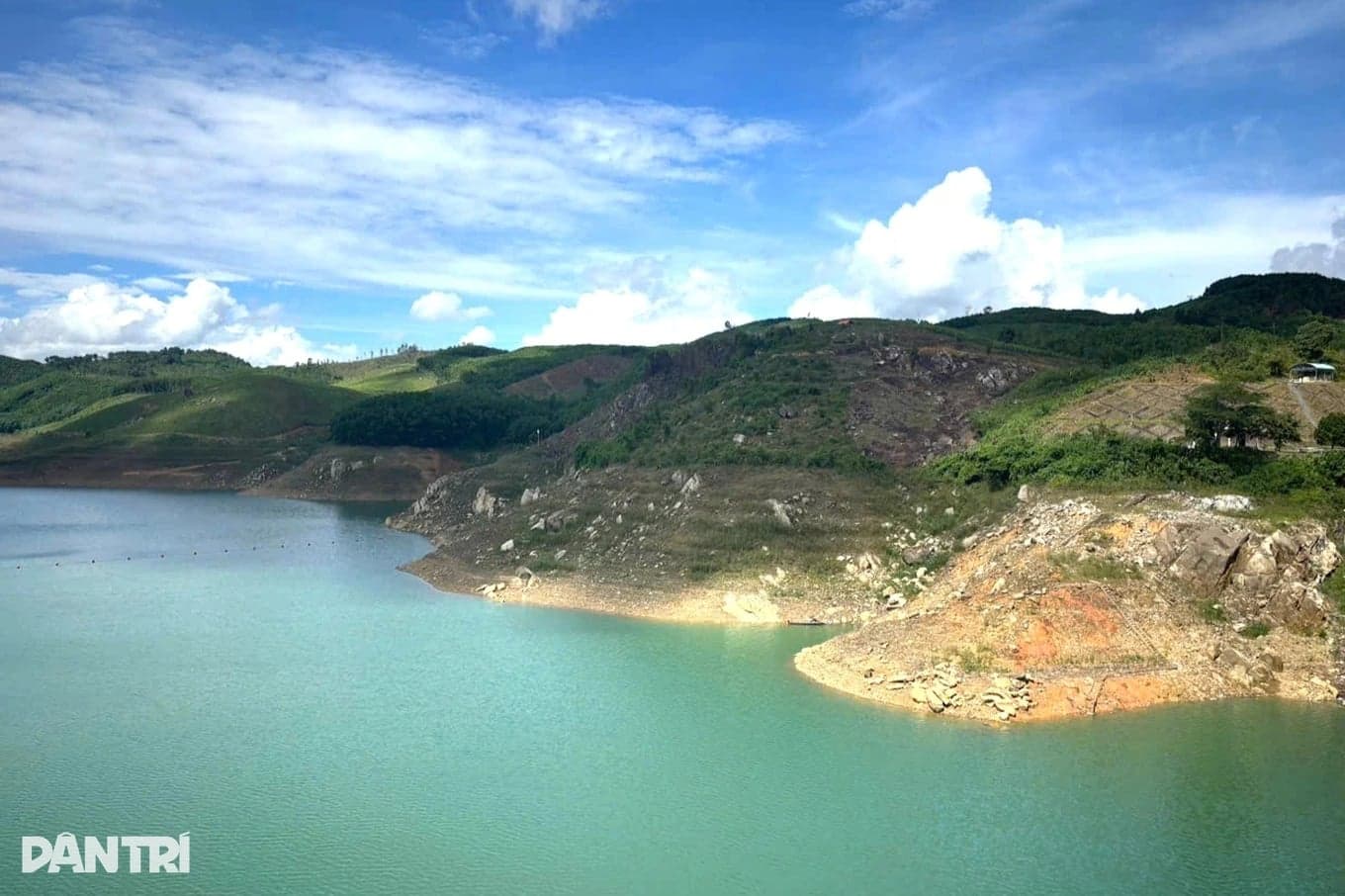
Central Vietnam normally reaches the peak of its rainy and flood season in October and November. This year, however, large reservoirs in Da Nang, including Sông Tranh 2, A Vương and Đăk Mi 4, are facing a serious water shortage. Water levels in some of them are tens of metres below their normal operating levels.
Vũ Đức Toàn, director of the Sông Tranh hydropower company, said climate change and the impact of El Niño had strongly affected the hydrological conditions at the Sông Tranh 2 reservoir during the first 10 months of the year.
Average rainfall in the basin during the first 10 months was 2,100mm, or 60% of the figure for the same period in 2025. With less rain, inflows into the reservoir during the first 10 months were only 44% of the 2025 figure and 20% below the long-term average.
Inflows were especially low during the two flood-season months of September and October. They averaged 97 cubic metres per second, 45% below the long-term average.
At the end of October, the water level at Sông Tranh 2 was 148 metres, with 83 million cubic metres of water in the reservoir. That was 27 metres lower than at the same time in 2025. At the end of October 2025, the reservoir had already reached its normal operating level of 175 metres.
“El Niño has affected, is affecting and will strongly affect water shortages in the Vu Gia and Thu Bon river basins in general and the Tranh River in particular. Inflows into Sông Tranh 2 are forecast to be 20–40% below the long-term average in the final months of this year and early 2027,” Toàn said.
Ngô Xuân Thế, deputy general director of the A Vương hydropower company, said inflows into the reservoir fell in October because of El Niño. By the end of the month, its usable storage was just over 76 million cubic metres, while more than 190 million cubic metres of capacity remained before the normal operating level, below the long-term average.
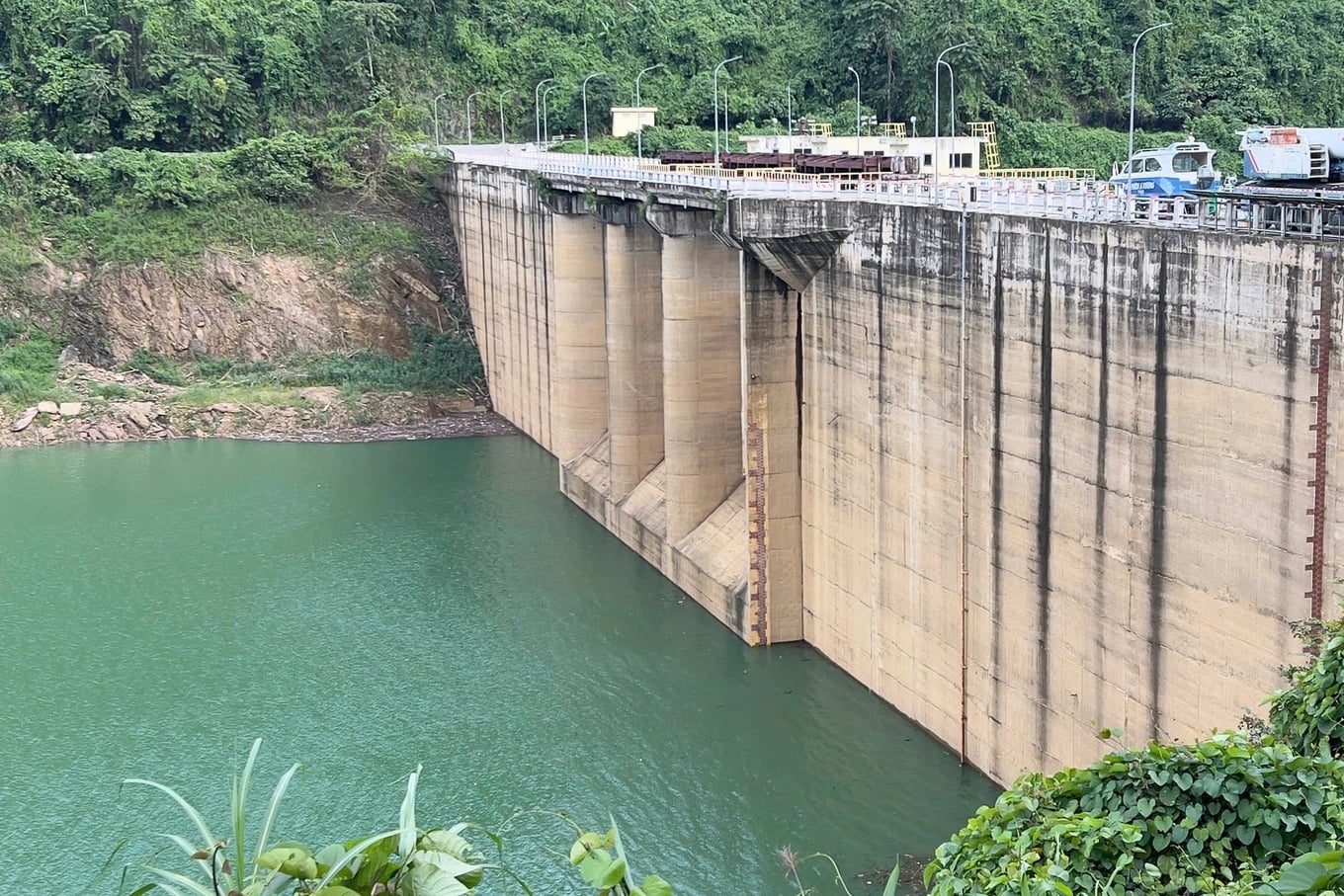
“From now until the end of the 2026 rainy season and through September 2027, rainfall is also expected to remain below the long-term average, so the amount of water that future rain can add to the basin will be low,” Thế said.
He said the current usable storage of the four large reservoirs in the Vu Gia and Thu Bon river basins was just over 242 million cubic metres, with more than 937 million cubic metres of capacity still empty.
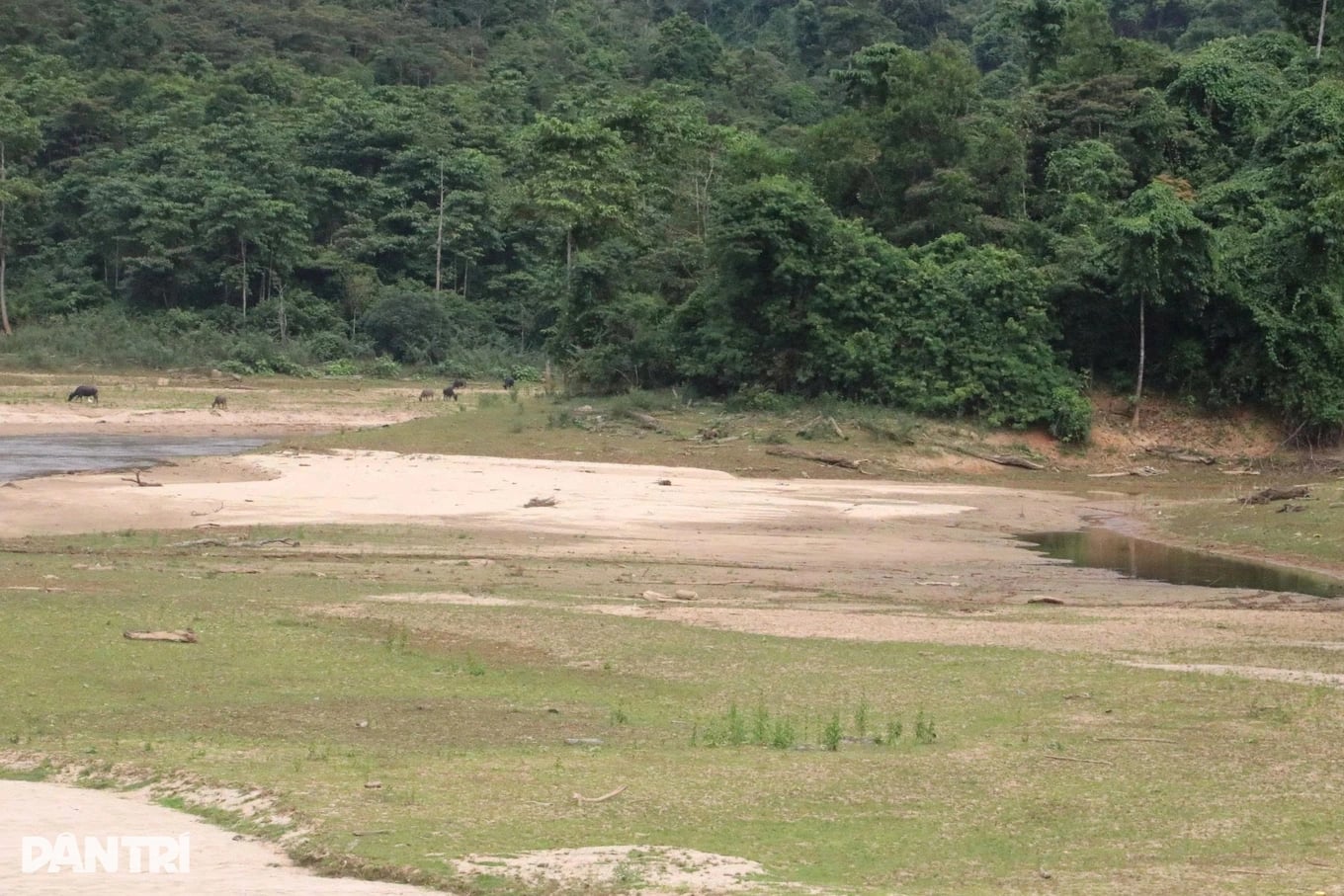
The bed of the Đăk Mi 4 hydropower reservoir near the highland communes of Phước Thành and Phước Chánh has also almost completely dried up. The water level usually rises there in late October and early November. This year, water has receded in many areas, exposing wide sandy stretches. Grass has grown on land that was previously underwater, and residents are grazing buffaloes and cattle there.
Other large hydropower reservoirs in Da Nang are also short of water. Although the peak of the rainy season is nearly over, water replenishment remains limited.
Trương Xuân Tý, deputy director of Da Nang’s Department of Agriculture and Environment, said the shortage at many reservoirs during this year’s rainy and flood season was linked to El Niño.
The weather and hydrological service forecasts rain in Da Nang on November 7–9, with moderate to heavy rain in some areas. Tý said he hoped it would replenish the city’s hydropower and irrigation reservoirs.
Tý said relevant agencies were closely monitoring rainfall, runoff and reservoir levels to prepare measures for the safety of the facilities and balance water resources for essential needs.
Sources: Dân Trí

