
Da Nang has opened The Hangart creative space, which recreates 12 traditional Vietnamese craft villages. Visitors can take part in workshops and learn about Vietnam’s cultural traditions.
Bringing Vietnamese culture closer to visitors
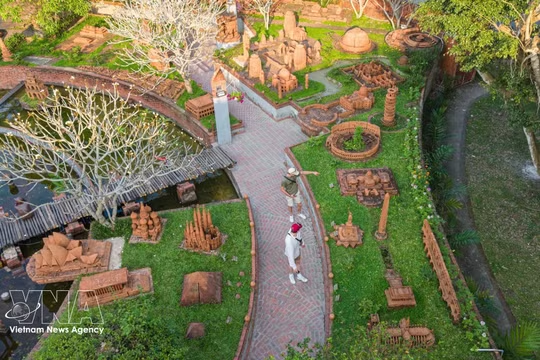
Located on Lac Long Quan Street in Dien Ban Dong ward, The Hangart covers 3,000 sq.m and recreates 12 traditional Vietnamese craft villages.
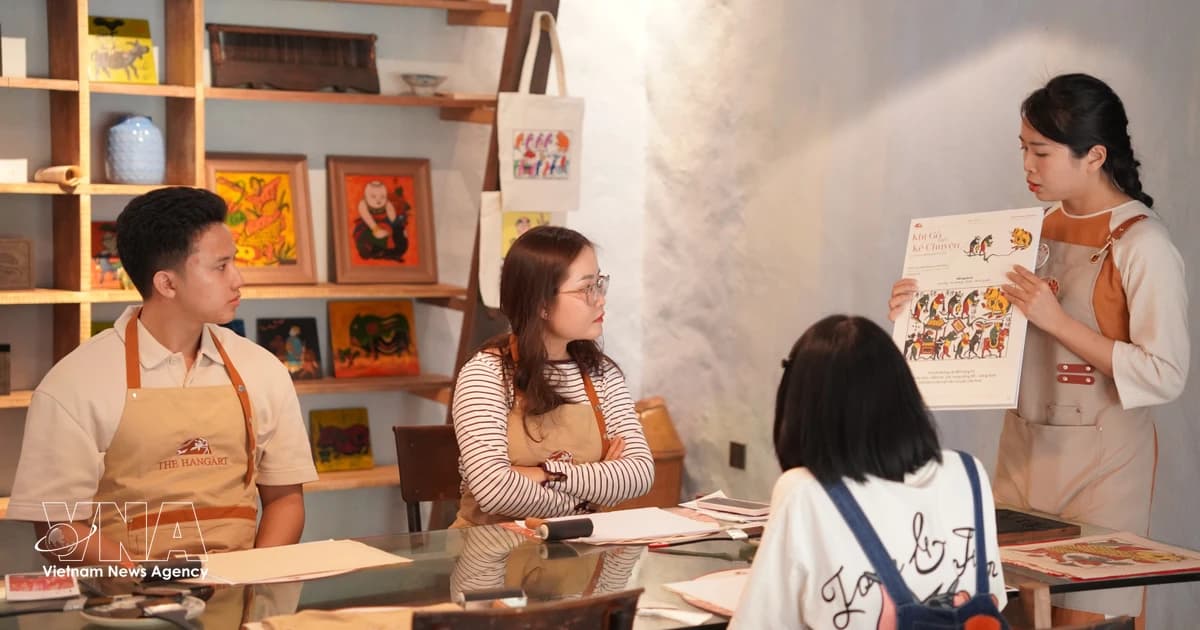
It regularly hosts 16 handicraft workshops. Visitors can make do paper, learn about pottery from Thanh Ha village, try Kim Bong-style wood carving from Hoi An, practise hand embroidery, print folk paintings and dye fabrics with natural colours.
Visitors can also join activities linked to traditional Vietnamese life, including making essential oils, herbal extracts, herbal soap and traditional cakes. Each workshop lets visitors observe and make their own handicrafts.
Da Nang resident Phan Minh Toan said he was particularly interested in making do paper. Taking part in every stage of production helps visitors connect with culture through their own hands and gives young people a chance to learn more about traditional heritage, he said.
For international visitors, The Hangart offers a small-scale model of traditional craft villages and a range of hands-on activities. Each area introduces visitors to a different part of Vietnamese culture.
Thai visitor Kuntida Juntarawong visited The Hangart for the first time during a trip to Da Nang. She said the venue’s layout and handicrafts impressed her, while practical activities such as making jewellery and lanterns helped her feel closer to Vietnamese culture.
The model was developed by young people who want to bring traditional culture closer to local and international visitors. Instead of presenting heritage in conventional ways, The Hangart introduces cultural values through activities connected to contemporary life.
Kim Thao Linh, sales manager at The Hangart, said international visitors now make up more than 80% of its customers, mainly from Japan, China, Russia, the Philippines and Thailand. Visitors learn about craft-village history, make handicrafts themselves and take them home as souvenirs.
Preserving heritage through tourism
Linking heritage preservation with tourism development creates new opportunities for traditional craft villages. Hands-on activities help share cultural values more widely, create livelihoods and support local socio-economic development.
The Hangart model introduces visitors to Vietnamese culture while overcoming language and distance. By making products themselves, visitors learn about production techniques and the stories behind each craft.
Amid the pace of modern life, the space offers a slower way to engage with culture. Artisan Tran Thi Thu Trang, who has practised silk embroidery for more than 20 years, continues to work carefully with each thread and shows visitors every stitch.
Trang said she was happy to practise her craft, pass on her skills to young people and introduce Vietnamese culture to domestic and international visitors. When visitors embroider silk, bags or conical hats themselves and take the products home, they also help promote traditional handicrafts.
Finding new ways to tell old stories helps traditional values endure and become part of contemporary life. The handicraft workshop model in Da Nang expands local tourism offerings and introduces international audiences to Vietnamese culture.
Nguyen Thi Thuy Ha, director and co-founder of The Hangart, said Vietnam has many traditional craft villages with valuable historical and cultural stories. Including these villages in tourism activities allows visitors to learn about Vietnamese culture in a more accessible way.
Some traditional crafts now face the risk of disappearing, including Sinh folk painting and Ma Chau silk weaving, whose history spans more than 300 years. When selecting crafts for its workshops, The Hangart prioritises those connected with everyday life, including pottery, woodworking, hand embroidery, painting, handicraft production, decorative crafts, weaving and dyeing.
Finding ways to adapt these crafts to contemporary life is essential to preserving, promoting and spreading their value and sustaining craft villages at risk of disappearing, Ha said.
Sources: VietnamPlus / Vietnam News Agency

