
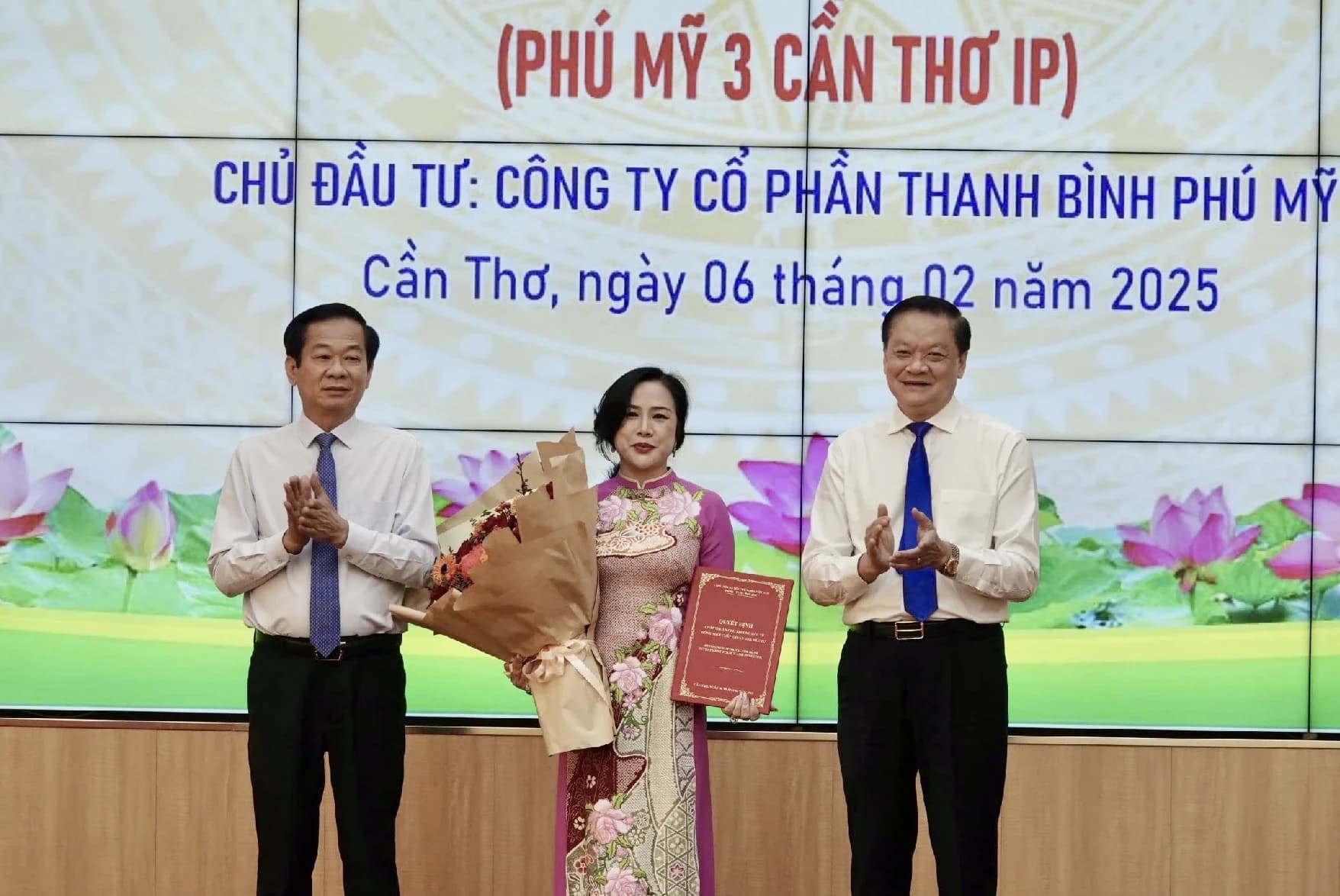
Can Tho is being positioned as a growth centre for the Mekong Delta. Against that backdrop, the city has received the Vinh Thanh Industrial Park phase two project, also known as Phu My 3 Can Tho IP, with investment of nearly VND 8 trillion.
A new link in the industrial chain
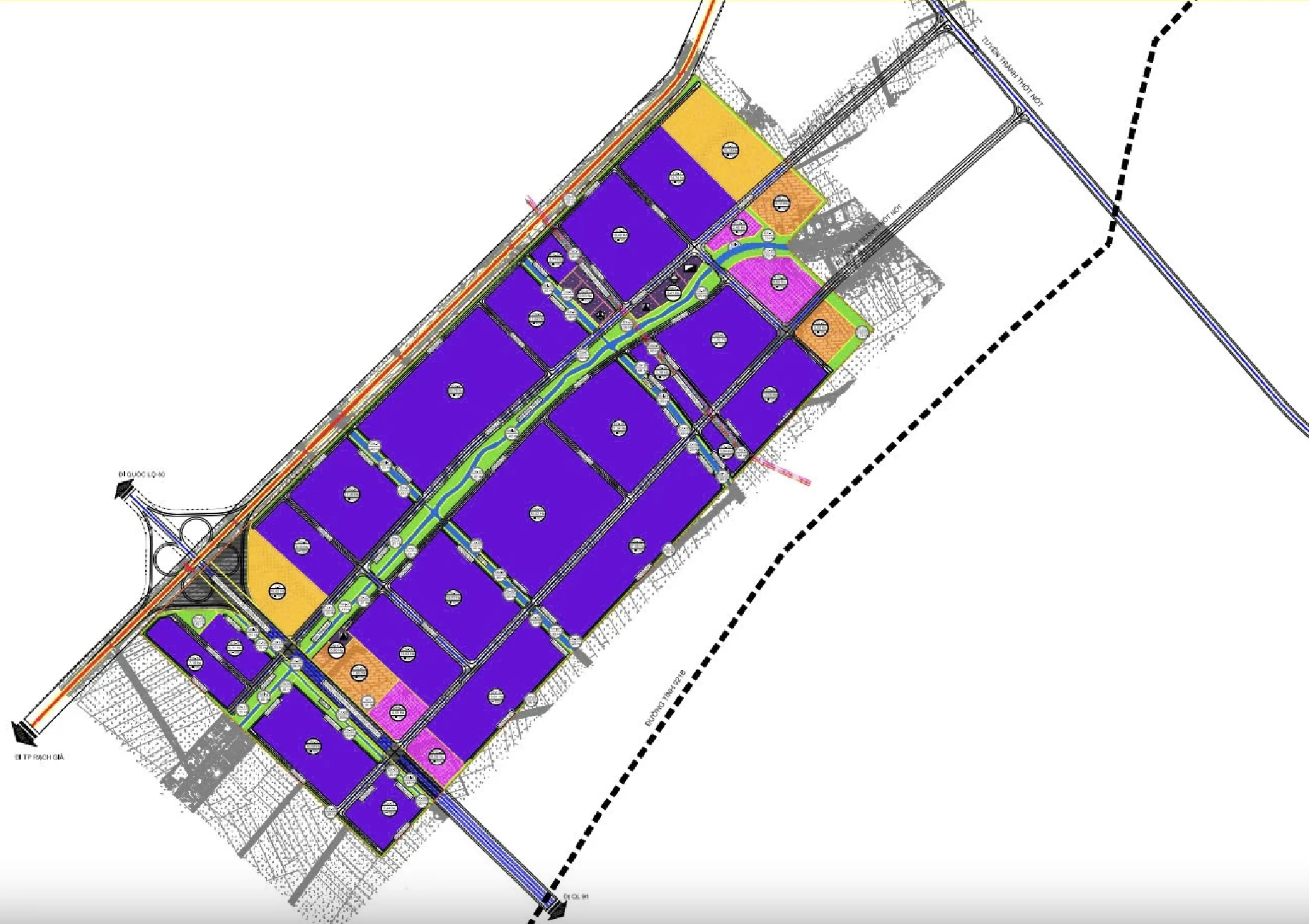
The prime minister approved the project in late 2024. In early 2025, Can Tho authorities announced the investment policy, investor approval and investment registration for Thanh Binh Phu My. The park covers nearly 541 hectares in Vinh Trinh commune and has total investment of nearly VND 8 trillion.
The investor plans a specialised industrial park for manufacturing, processing, assembly and supporting industries. It is expected to connect with Phu My 3 specialised industrial park, Phu My inland port and Cai Mep deep-water port. Phu My 3 would form the upstream link, while the Can Tho park would serve the downstream side.
Basic chemicals, steel, construction materials, plastic pellets and petrochemical products would move through Cai Mep and Phu My inland port before being sent to Can Tho by inland waterways. Finished products could then return to Cai Mep for export.
At the start of 2025, Can Tho had five operating industrial parks with nearly 330 hectares leased, an occupancy rate of about 88% and 257 projects, including 29 foreign-invested projects and one ODA project. Registered investment reached US$2.3 billion, while realised investment stood at US$1.3 billion.
Can Tho officials said the city would help speed up the project, including land clearance, resettlement areas and connecting roads.
The target of double-digit growth
Can Tho's GRDP grew 7.23% in 2025. Growth in the first half of 2026 was estimated at 7.4% to 7.6% year on year, still below the city's double-digit target.
Economist Tran Huu Hiep of FPT University Can Tho said industrialisation in the delta should build on agriculture, fisheries and fruit and vegetable production. Processing, storage, packaging, logistics, branding and access to global distribution chains can create more value than selling raw materials.
The Mekong Delta's GRDP grew about 7.24% in 2025 and accounted for 12.2% of national GDP. The region had more than 3,200 digital technology companies, or about 0.18 per 1,000 residents, compared with 0.7 nationally. Deep processing remains limited, logistics costs are high and transport infrastructure is still constrained.
Can Tho has identified high-tech agriculture and a green economy, digital transformation and a smart city, and an innovation and skills ecosystem as development priorities.
Restructuring the Mekong Delta's economic space
Tran Huu Hiep said projects such as VSIP Can Tho and Vinh Thanh phase two have moved slowly. He recommended faster implementation and targeted investors in deep agricultural and seafood processing, food production, supporting industries, logistics, high technology and the circular economy.
Large investors need roads, electricity, water, environmental treatment, logistics, housing and services both inside and outside industrial parks. Procedures should be faster and transparent, with one capable agency supporting companies from site selection to operation. Can Tho should prioritise projects that create supply chains rather than fill industrial parks at any cost.
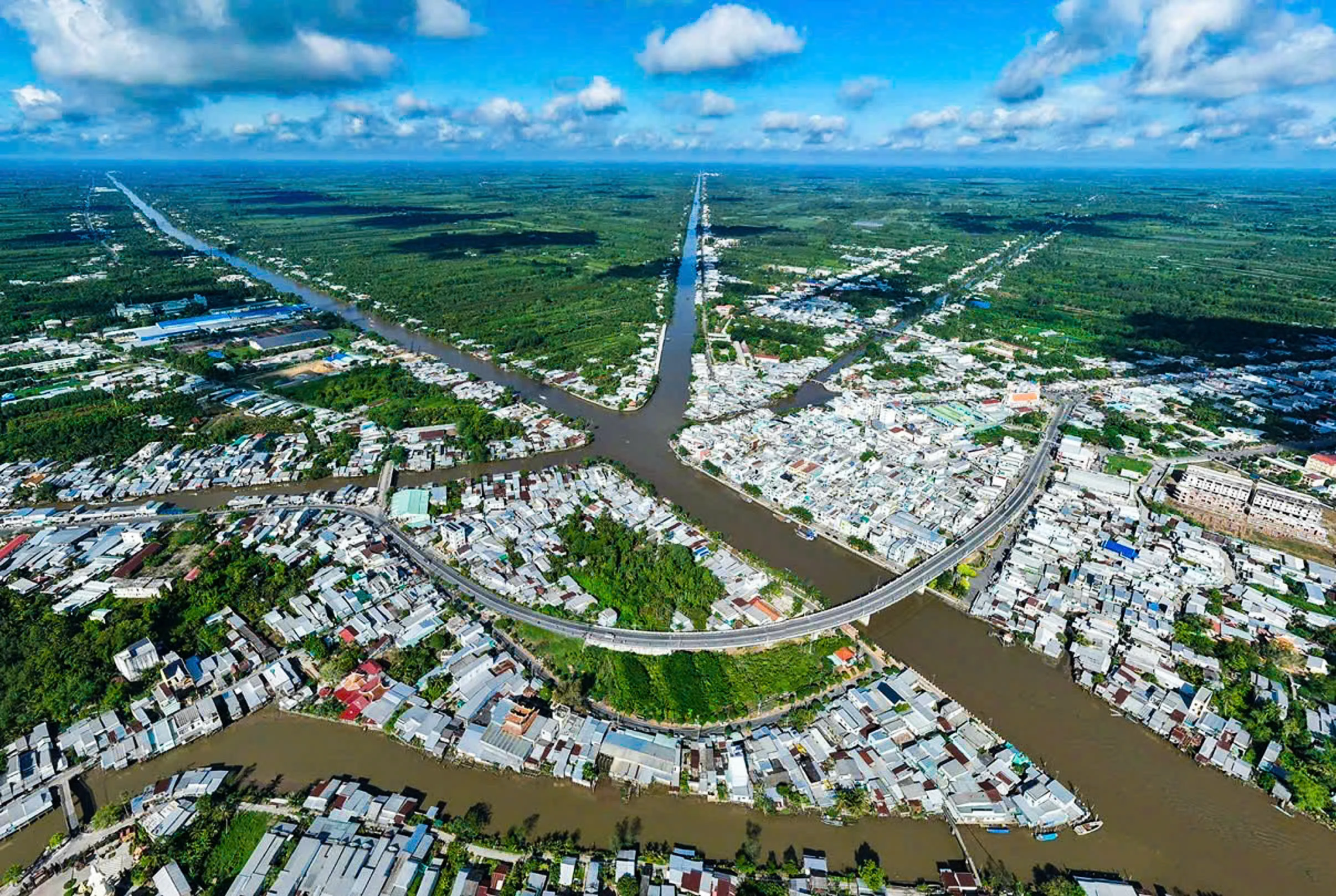
Can Tho needs to function as a hub in the region's economic network, not only as a geographic centre. That requires coordinated transport, logistics and industrial parks, better use of waterways and ports, and fewer unnecessary transfers for agricultural goods headed to export markets.
The city has plans for industrial parks linked to logistics and production areas. The merger of Hau Giang and Soc Trang into Can Tho has created new development spaces, but implementation needs to move faster. With connected infrastructure, goods from the delta could be collected, processed, documented and placed in export chains at lower cost.
Can Tho's plan identifies the city as a growth centre for the Mekong Delta. The next step is to turn that direction into projects with clear schedules, while removing bottlenecks, accelerating public investment and improving processing and logistics.
Sources: Thanh Niên

