
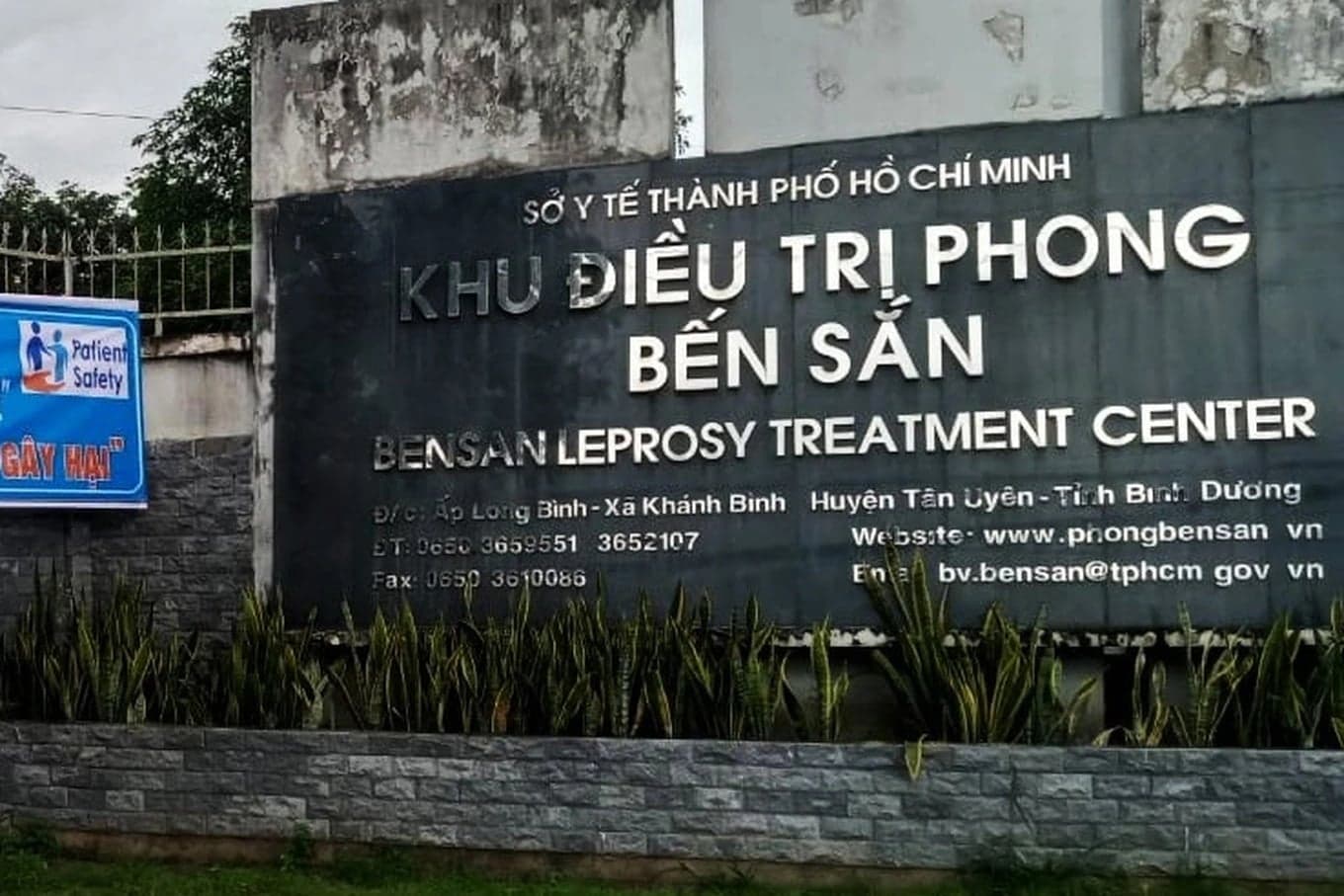
On November 2, Dân trí reported that Ho Chi Minh City's health department had completed a comprehensive inspection of Ben San Hospital in Tan Hiep Ward. The inspection covered January 1, 2024, through February 28, 2026, and lasted nearly two months.
Organizational shortcomings
The hospital had not completed the procedure to change its name on its license after being renamed from a leprosy treatment center to Ben San Hospital. Inspectors found problems with regular meetings held during several months of 2024 and after April 2025. Working hours did not comply with the 2019 Labor Code, and leave rules were unclear.
The hospital had vacant management posts and dozens of vacant specialist positions. It signed non-compliant labor contracts and had not recruited for missing civil-service positions since 2025. Some appointment files were improper: people were appointed without being in the personnel plan, eligible staff were omitted, and transfers were made without clear reasons or proof of professional suitability.
In 2024 and 2025, the hospital did not carry out early salary-grade increases for eligible employees and was late in issuing rules for additional income payments for the fourth quarter of 2025 under resolutions 08/2023/NQ-HĐND and 27/2025/NQ-HĐND. Inspectors also found shortcomings in award files, hazardous-work compensation and special benefits.
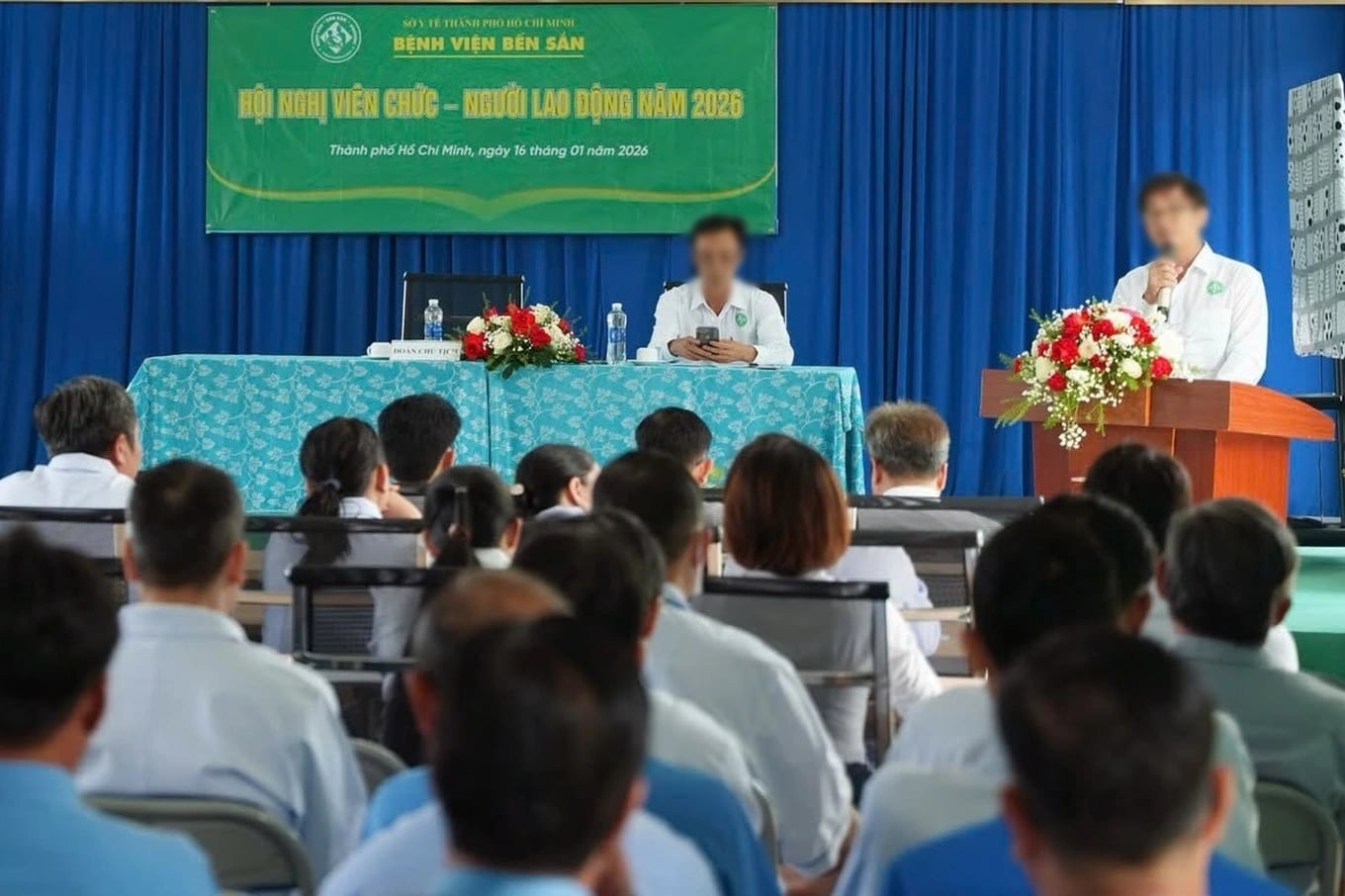
The code of conduct was implemented only formally. A complaint that the director insulted employees, including by calling them "insects," was found to have a basis. A 2026 conference record mentioned irregular briefings and "distorted transmission of information." The hospital did not identify the departments responsible for violations, leaving performance reviews without a clear basis and making them appear indiscriminate or punitive.
Finance, procurement and medical work
The hospital did not fully follow accounting-document rules under the 2015 Accounting Law. Its books did not fully record revenue from paid services and palliative care, or electricity payments from employees and people living at the leprosy facility.
In 2024 and 2025, it bought food worth nearly VND6.7 billion through direct appointment of a contractor, contrary to the Procurement Law. The pharmacy department did not conduct regular inventories. Medicines worth more than VND5.3 billion, bought with revenue from paid examinations and palliative care, were not tracked in storage. An old medicine-management program did not retain data, some tenders were not posted nationally, and some awarded medicines were not purchased.
Some departments were established or merged without assessment by the health department. The hospital lacked a diagnostic-imaging doctor, some department heads lacked appropriate practice certificates, and it introduced techniques outside the approved list. There was no separate emergency room, infection control was inadequate, waste and wastewater systems were incomplete, medical records did not comply with rules, and the laboratory declared level-two biological safety without meeting the required standard.
Patients did not receive holiday meal payments
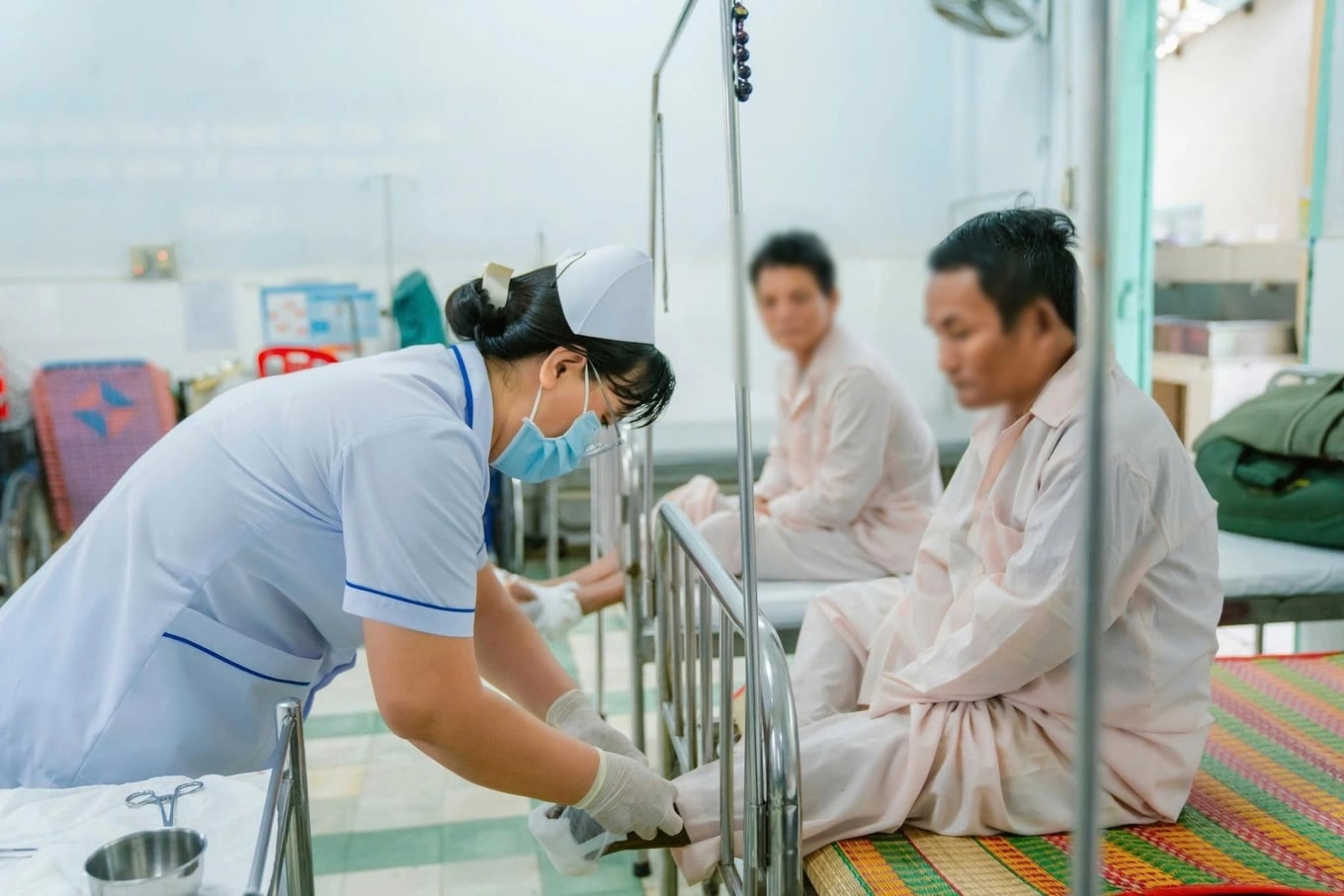
The hospital lacked a clear legal basis for the categories of people under its care, and their records were incomplete or outdated. It had not issued procedures for admission, ending social assistance or transferring patients. In 2024, it did not provide meal payments for public holidays and the New Year holiday, despite Resolution 34/2023/NQ-HĐND.
Hundreds of patients' relatives, including relatives of people who had died, were living on hospital grounds. Cash donations were not always deposited into a bank account, no donation-management rules were prepared, and some funds were recorded incorrectly. The hospital did not fully control land use, resolve encroachment or improper use, or stop unauthorized leasing.
In 2024, it did not issue an anti-corruption and anti-waste plan or assign people to handle citizen reception, complaints and anti-corruption work. It overlooked a complaint forwarded by a superior authority, while some complaints were not fully resolved, leading to delays and group complaints. The health department ordered the hospital to review responsibility and take disciplinary action, while its specialist units will help correct the violations and receive a report.
Sources: Dân Trí

