
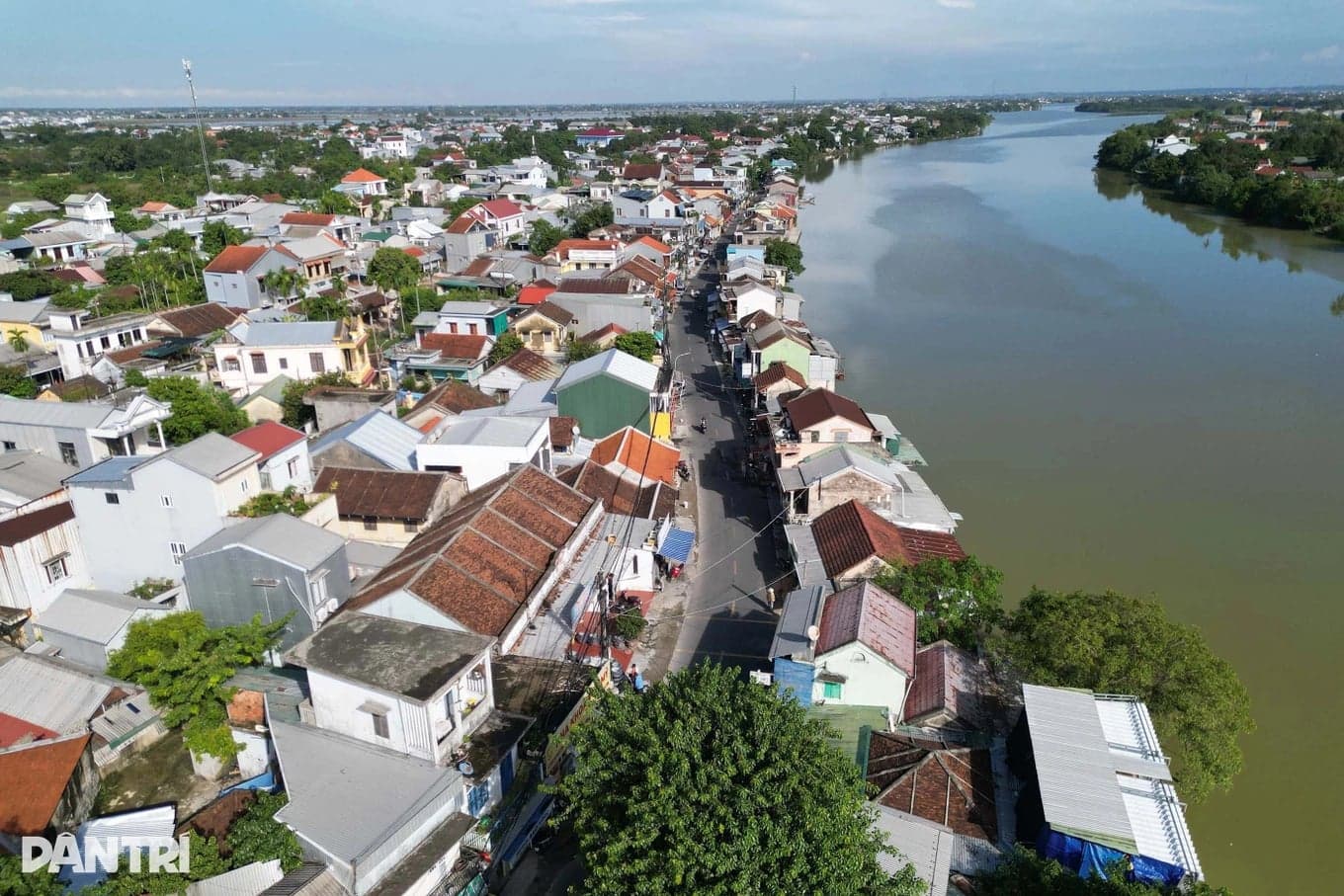
A riverside square, parking area and pedestrian street are planned for Bao Vinh's historic quarter in Hue. The project is expected to cost more than VND 200 billion.
Nguyen Manh Cuong, deputy chairman of the Hoa Chau Ward People's Committee, said local authorities were preparing plans to upgrade infrastructure and promote Bao Vinh's old quarter for community tourism. The ward is asking authorities to allocate funding for the riverside square.
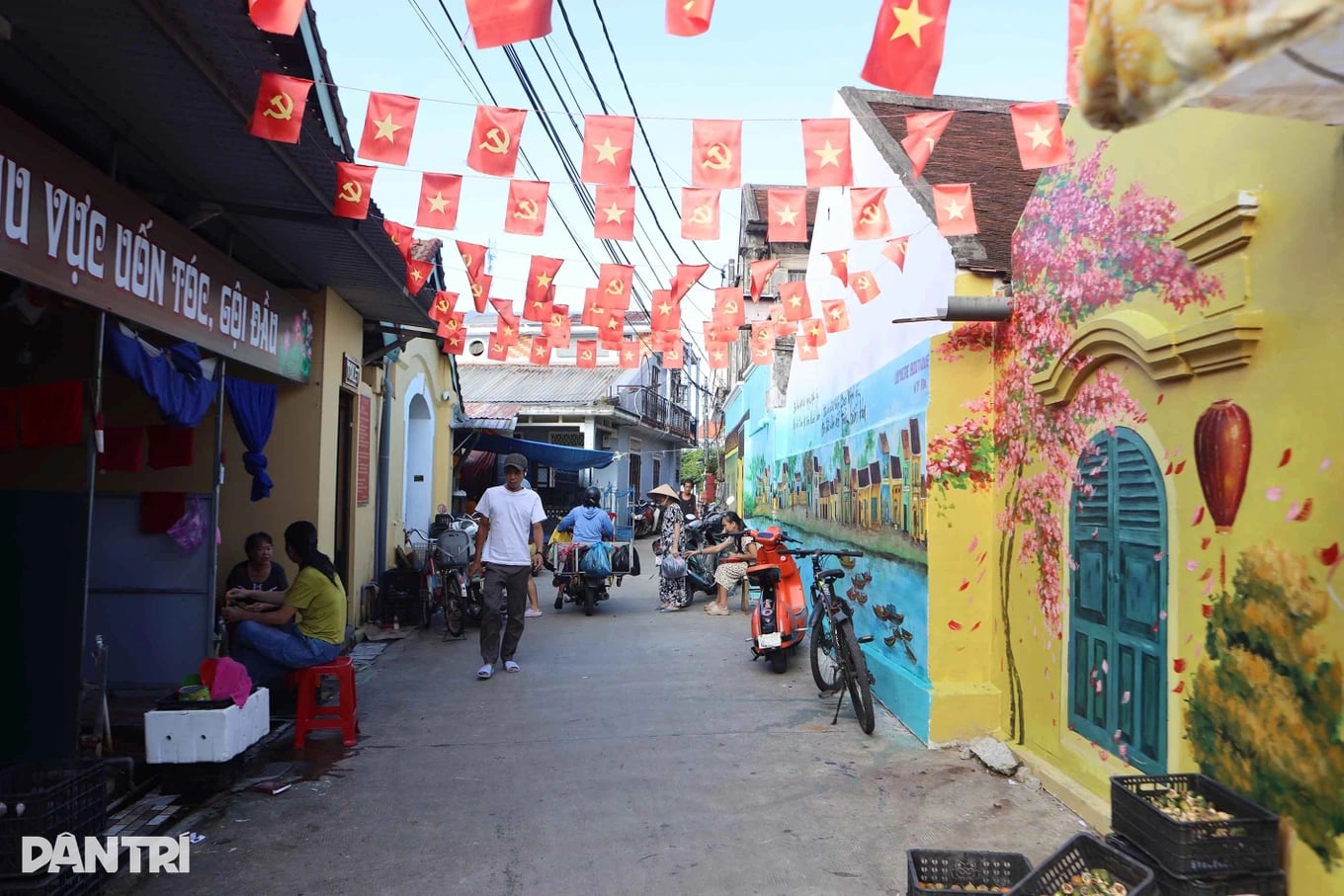
The project includes a square, parking area and pedestrian street along the Huong River. Authorities plan to relocate residents and clear houses along the riverbank while preserving old four-sided houses and the boat landing. The ward also organized murals along lanes and around the boat landing on Bao Vinh Street using socialized funding, with Hue University of Arts experts helping to study the area and create the works.
The murals provide a cultural identity for each lane and neighborhood. They tell the story of craft villages and the quarter's development while creating places for residents and visitors to stop.
Bao Vinh still has 14 traditional wooden-frame houses and seven four-sided houses. Hue selected seven traditional houses for a 2023–2026 support scheme; four have been restored and the remaining three are due to be completed by the end of the year.
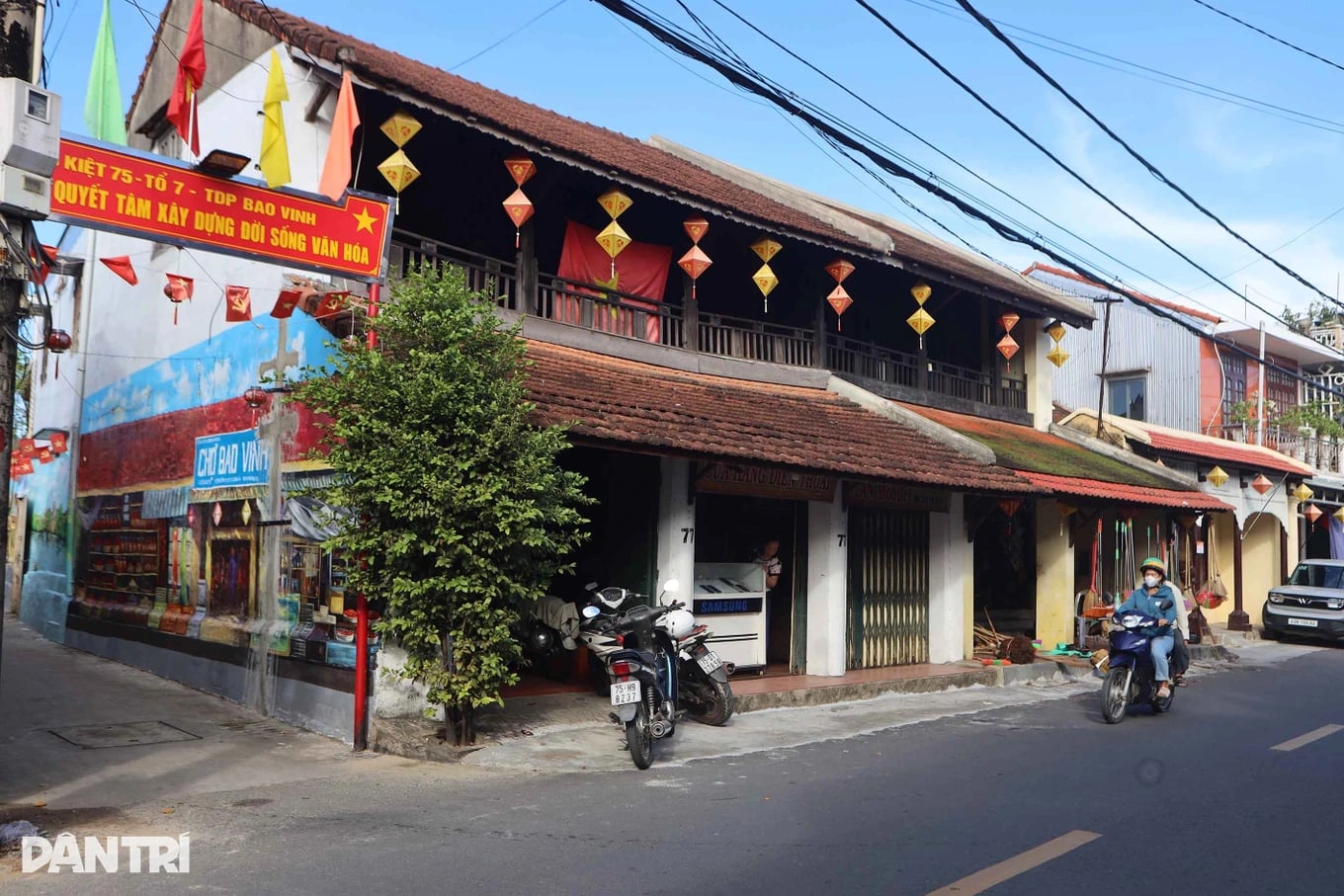
Historians say Bao Vinh was the second part of the Thanh Ha–Bao Vinh trading-port chain, which flourished in Dang Trong from the 17th to the 19th centuries. After Thanh Ha port silted up, the Huong River allowed Bao Vinh to grow into a major commercial district of the Phu Xuan capital in the 19th century. Chinese merchants built two rows of houses facing each other along what is now Bao Vinh Street. After Hue fell in 1885, Bao Vinh was damaged and gradually declined.
In 2019, Bao Vinh and other places in Hue were selected as filming locations for Mắt Biếc. The house at 66 Bao Vinh Street where Ha Lan rented a room now operates as the Mắt Biếc café and attracts young visitors.
Sources: Dân Trí

