
According to the State Bank of Vietnam, total economy-wide credit exceeded VND 20.7 quadrillion by September 30, up 11.7% from the end of last year.
Credit in the Southeast region reached nearly VND 6.8 quadrillion by the end of September. That was almost 35% of the country's total outstanding credit, up 10.93% from the end of last year.
To ease credit-limit constraints and unlock funding, the State Bank of Vietnam has introduced a mechanism to exclude from growth limits or provide additional growth limits to commercial banks financing large projects with regional links and spillover effects that support the goal of double-digit growth.
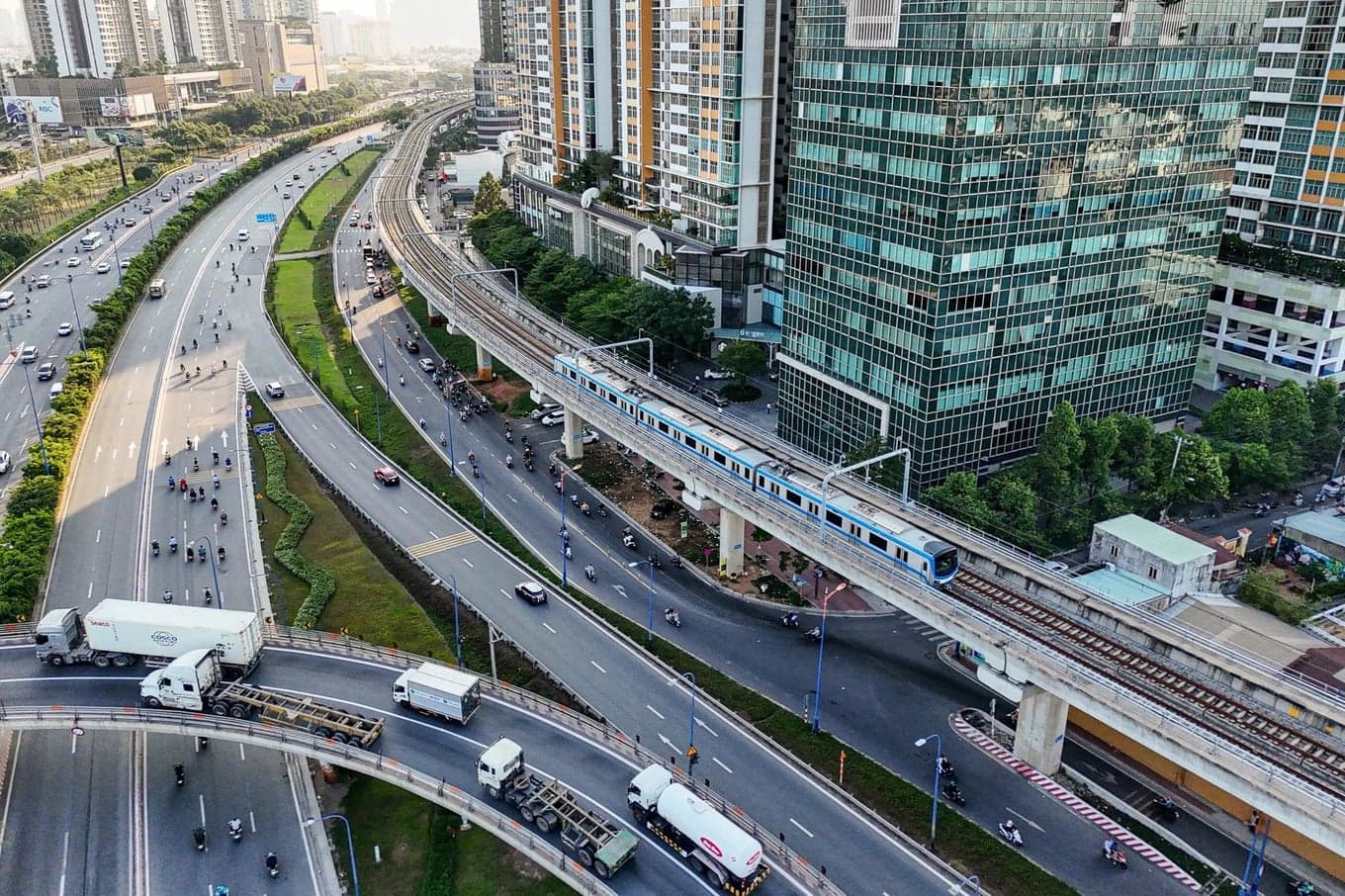
Nguyen Xuan Bac, deputy head of the State Bank of Vietnam's Credit Department, said the Southeast region has 15 major projects with a combined loan requirement of about VND 757,000 billion. They include the Ben Thanh, Can Gio railway, which needs about VND 87,000 billion in loans; the Rach Chiec National Sports Complex, about VND 117,000 billion; and the Thu Thiem, Long Thanh urban railway, about VND 145,000 billion.
By September 30, commercial banks had disbursed a total of VND 39,322 billion to two of the 15 regional projects. The amount is expected to rise sharply in the coming period.
To speed up funding, projects need to complete their legal requirements, investment and land procedures, and financial plans. Nguyen Xuan Bac said banks find it difficult to determine disbursement schedules and repayment prospects when land clearance, implementation schedules or revenue sources remain unresolved.
"Infrastructure projects usually require large investments and have long construction and payback periods, while banks must balance maturities and comply with safety limits. This needs to be considered when the funding structure is designed. Supplementary funding channels, guarantees and risk-sharing mechanisms for companies and projects should be used more effectively," Nguyen Xuan Bac said.
Many commercial banks have also been seeking medium- and long-term international funding for businesses. At a conference held in Ho Chi Minh City on October 23, banks and companies signed 18 cooperation agreements for projects and business plans in several fields.
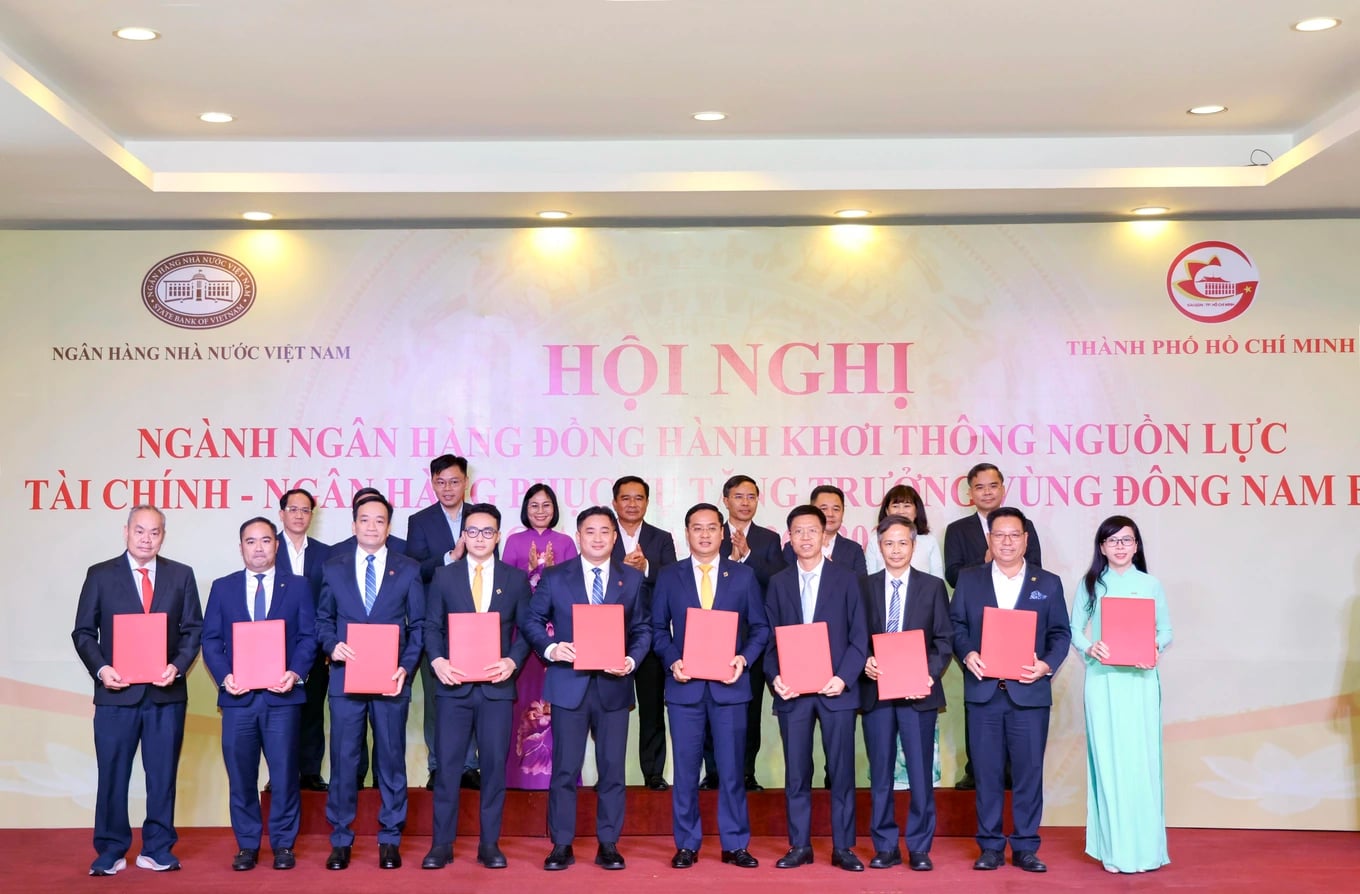
For example, HDBank and Vikki Bank signed five financing agreements for major infrastructure, urban and technology projects in the region, including Metro lines 4 and 5, with a combined value of more than VND 124,500 billion. In Dong Nai, the two banks signed three credit agreements worth VND 74,500 billion with Vina Dai Phuoc and Dai Phuoc Dong Nai to develop infrastructure, a smart city and a 60-storey financial center.
Vietcombank is financing Saigon Sun Investment and Development Co. for the Central Square and City Administrative Center project in Ho Chi Minh City, with total investment of VND 29,591 billion.
NCB is financing and arranging funding for Ben Nha Rong Tourism Services Co. to develop the Ben Nha Rong, Khanh Hoi Cultural Park and Ben Bach Dang public green spaces in Ho Chi Minh City. Total investment is VND 29,317 billion.
Agribank is financing construction of the expressway section from the Saigon River to Thay Cai Canal as part of the Ho Chi Minh City Ring Road 4 construction project. The agreement is worth VND 4,867 billion.
To accelerate implementation and disbursement for major infrastructure projects, the State Bank of Vietnam has asked ministries, agencies and local authorities to publish and update lists of key projects with clear information on scale, investors, schedules, capital needs and funding structures. It also called for timely action on investment and land procedures and site clearance. Large infrastructure projects should combine public investment, public-private partnerships, capital-market funding, equity and bank credit.
Until the end of the year, Ho Chi Minh City's statistics agency said the city should speed up public-investment disbursement and the implementation of key projects to maintain growth and meet its socio-economic targets as fully as possible. It also called for obstacles involving land, planning, compensation, site clearance and investment procedures to be removed so resources can be put to use sooner.
Sources: Dân Trí

