
Nguyen Hong Thai, Secretary of the Bac Ninh City Party Committee, asked relevant agencies to assess the strengths and limitations of local tourism and prepare long-term development solutions.
The agencies must survey existing tourism products and identify those suitable for upgrades and those requiring changes. They must also select key projects for implementation and investor attraction.
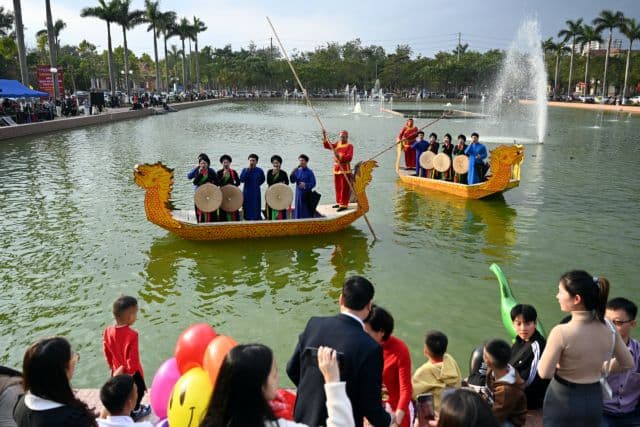
Priorities include the “Bac Ninh, Land of Quan ho” tourism product, heritage tours in the Kinh Bac region, ecotourism, resorts, entertainment, services and the night-time economy. The projects are intended to encourage visitors to stay longer and spend more in the city.
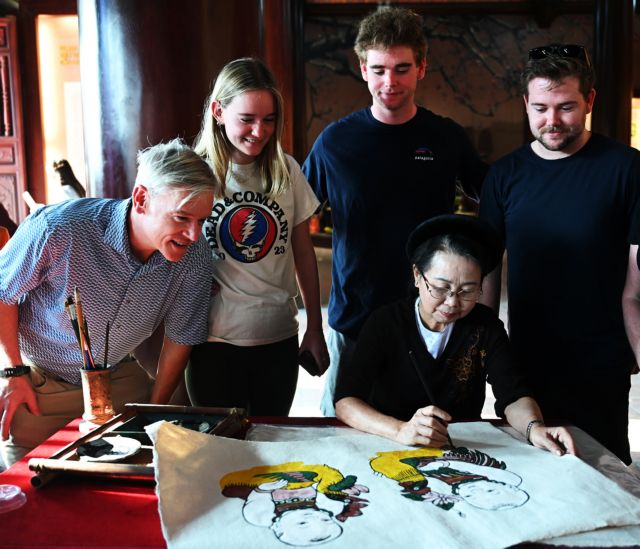
Bac Ninh's tourism sector also plans to strengthen links with other localities and promote its products in domestic and international markets. The city wants to expand cooperation between tourism businesses and partners in Vietnam and abroad.
Do Tuan Khoa, Deputy Director of the city Department of Culture, Sports and Tourism, said Bac Ninh is part of the Capital Region's socio-economic development area and the Hanoi, Hai Phong and Quang Ninh growth triangle. Transport links with Hanoi, Noi Bai International Airport and Gia Binh International Airport are improving. Gia Binh is expected to begin operations next year.
After its territory was expanded and it became a centrally administered city, Bac Ninh gained more natural, cultural and human resources for tourism development. They include the Kinh Bac cultural space, quan ho folk singing, historical and cultural relics, festivals, craft villages and local cuisine.
The city has eight cultural heritage elements inscribed or recognised by UNESCO, more than 3,100 classified and inventoried relics, 25 national treasures or groups of national treasures, 28 national-level intangible cultural heritages, 246 artisans with state-awarded honorary titles and more than 1,300 traditional festivals.
Bac Ninh has used these resources to develop cultural and quan ho tourism, heritage routes, cultural and spiritual tours, craft-village experiences, ecotourism, rural and agricultural tourism, rail travel on the Hanoi, Bac Ninh route, and tourism linked to conferences, exhibitions, cultural and sporting events. The city has also begun developing its night-time economy.
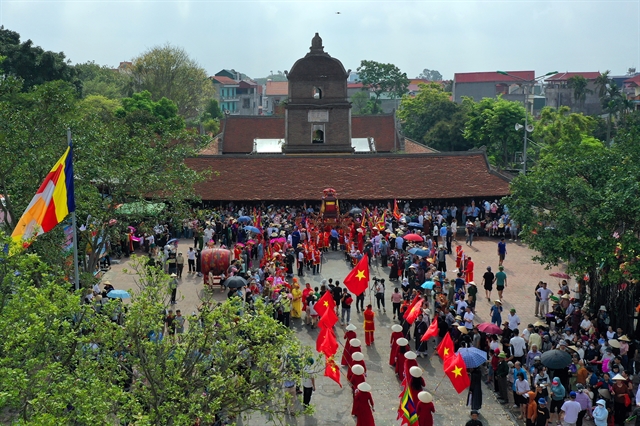
Last year, Bac Ninh welcomed 6.3 million visitors, including more than 350,000 international arrivals. Tourism revenue was about VND5.5 trillion, or US$211.2 million.
In the first nine months of this year, the city received about 5.8 million visitors, up 7 per cent from the same period a year earlier.
Sources: Viet Nam News

