
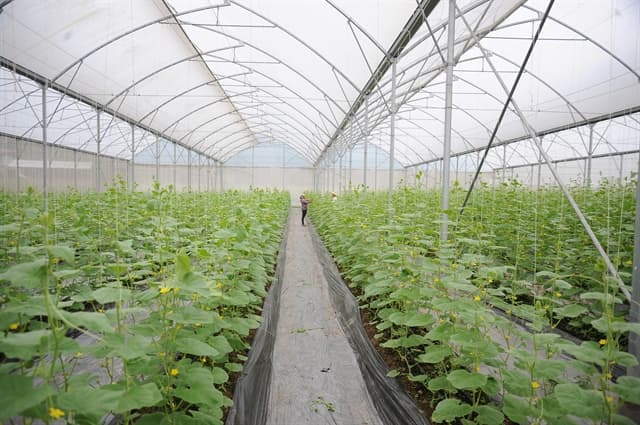
Bac Ninh is accelerating the use of science, technology and digital solutions in farming. Lê Xuân Lợi, vice chairman of the provincial People’s Committee, said the locality would speed up digital transformation in agricultural production.
By 2030, more than 60 per cent of concentrated production areas are expected to use electronic production logs and traceability systems. More than 60 per cent of large-scale livestock farms are expected to be managed through the national livestock database.
The locality aims to promote and sell more than 80 per cent of its OCOP goods through digital platforms. It plans high-tech, smart and circular farming models, along with safe production linked to multi-value chains. The targets will use artificial intelligence, the Internet of Things, big data, blockchain, biotechnology, remote sensing, geographic information systems, drones, smart sensors, automation and robotics.
Businesses, cooperatives and farmers will be encouraged to invest in innovation and adopt high-tech, precision, organic and circular farming models, as well as low-emission production.
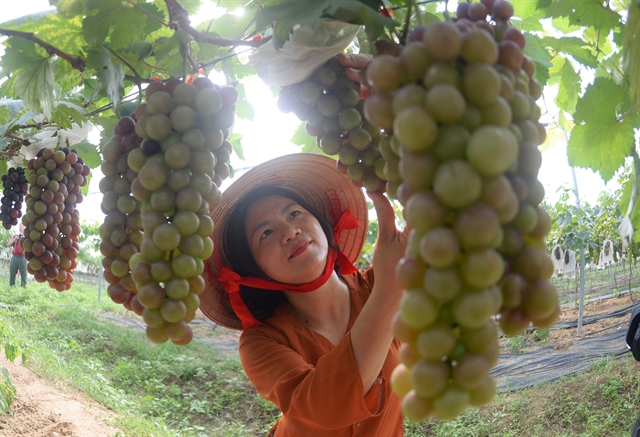
Bac Ninh plans concentrated production areas where digital solutions are used throughout agricultural value chains. It will promote crop varieties with high yields and quality, resistance to pests and diseases, and greater resilience to climate change. Biotechnology, crop databases, digital maps and electronic logs will support production management and traceability.
In livestock farming, veterinary services and aquaculture, Bac Ninh will connect databases covering farms, herds, breeding establishments, slaughterhouses, disease-free zones, animal-feed businesses and aquaculture areas. AI, the Internet of Things and automated sensors will monitor livestock, diseases, food safety and environmental conditions and provide early warnings of disease outbreaks and pollution risks. Digital technologies will also be used for quarantine, slaughter control and traceability.
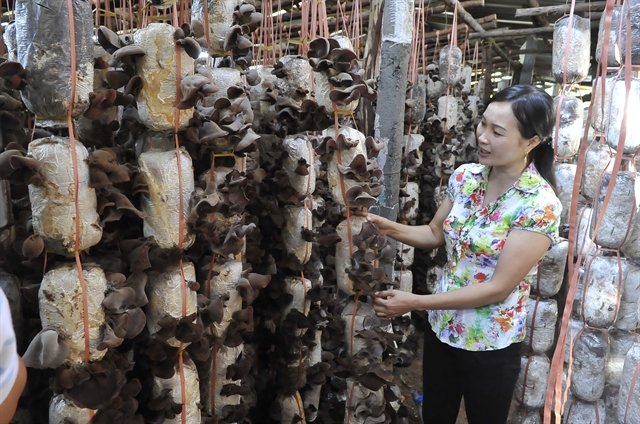
At farm level, producers say technology is improving efficiency and quality. Lư Thị Quý of ADENCO Medicinal Mushroom in Mỹ Thái Commune said the right raw materials and varieties are important. The company uses inoculation machines and misting systems to control humidity. Vũ Trí Đức of Tân An Ward said high-tech melon greenhouses require careful soil, nutrition and pest management. Producers use organic and slow-release fertilisers, and drip irrigation can deliver different nutrient levels to different varieties.
Lương Đức Kiên, deputy head of the city’s Livestock Production, Veterinary Services and Fisheries Division, called livestock farming a driver of agricultural growth. The agency’s priorities include industrial-scale farming, high technologies, biosecure production, disease prevention, and supplies of breeding stock and animal feed suited to local conditions.
Sources: Viet Nam News

