
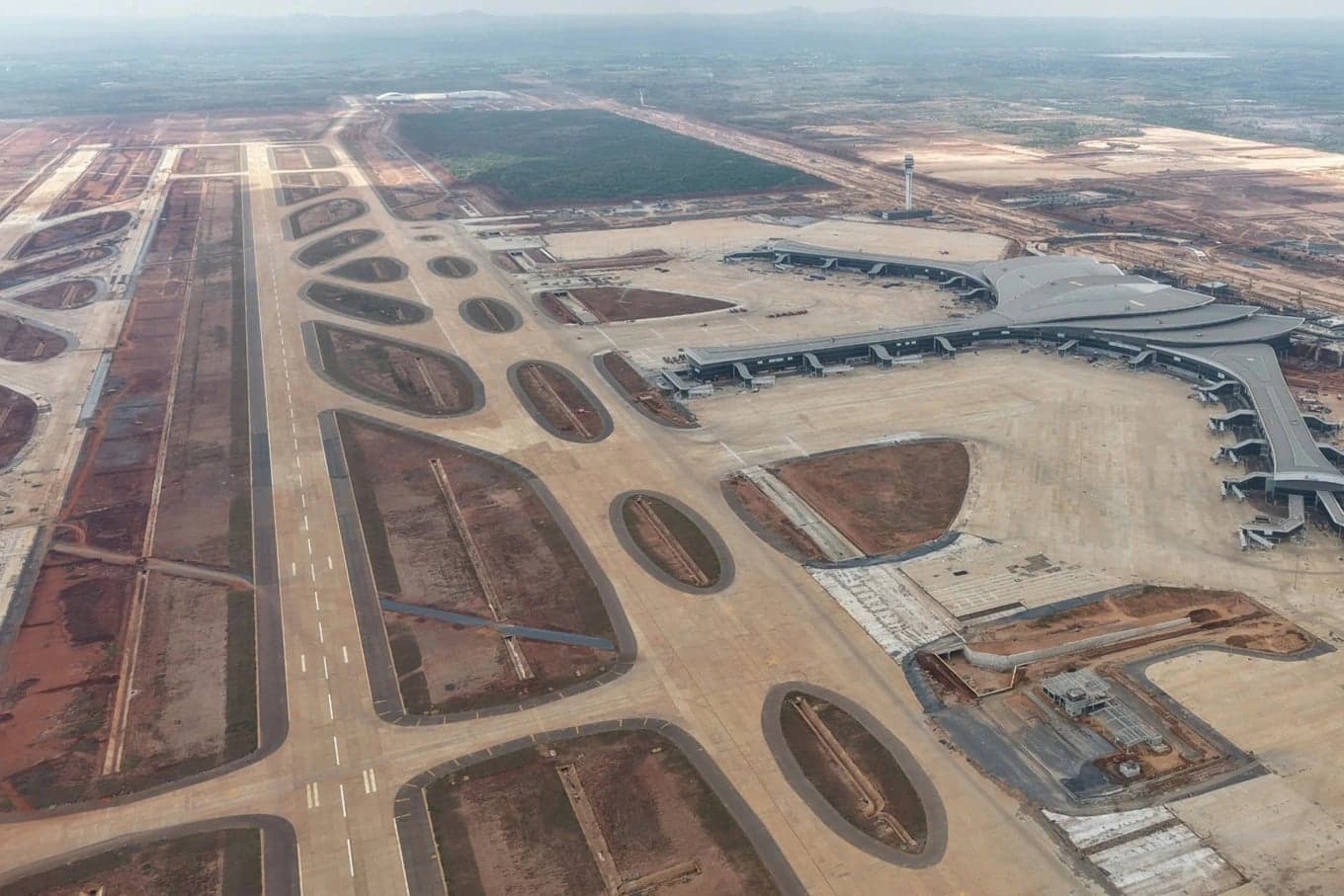
On October 27, Airports Corporation of Vietnam (ACV) said it had proposed priority transport measures for Long Thanh Airport, which is expected to begin initial operations at the end of the year.
During the initial phase, dedicated shuttles are planned to run between Tan Son Nhat and Long Thanh airports. They will travel directly on the expressway around the clock, with frequency adjusted to flight schedules.
ACV also proposed considering priority traffic arrangements for airport buses and interairport shuttles at important junctions and along main connecting routes. The measure is intended to make journey times more predictable.
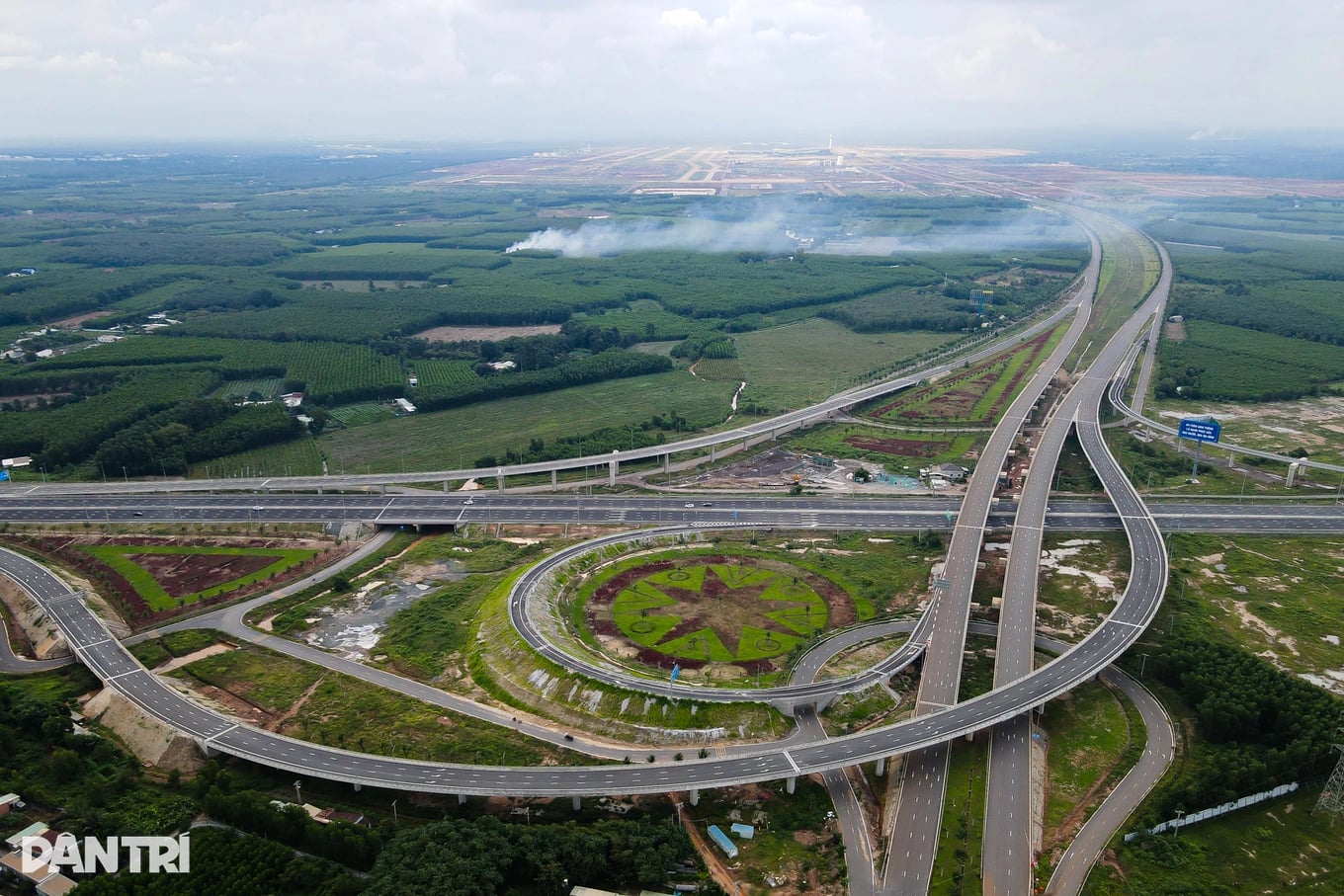
ACV said the airport is expected to handle up to 366 flights a week during the initial phase, including 322 domestic and 44 international flights.
During the initial phase, travel from central Ho Chi Minh City to Long Thanh Airport will depend entirely on roads and use two main routes.
The first route runs from the Ho Chi Minh City, Long Thanh, Dau Giay Expressway across Nhon Trach Bridge, then through Ring Road 3 before turning onto Road 25C. The second starts on the same expressway, turns onto the Bien Hoa, Vung Tau Expressway and leads to the main junction at the airport entrance.
ACV is coordinating with Ho Chi Minh City and Dong Nai to regulate traffic flows from a distance and control traffic at key junctions to maintain predictable journey times.
To assist passengers, ACV proposed that transport authorities give airport buses and shuttles priority lanes along main corridors and establish fixed, consistently marked pick-up and drop-off points in central Ho Chi Minh City.
Information desks, clear signs and real-time travel information boards will be placed at both terminals. Registration, security screening, and immigration and customs procedures are planned to be coordinated to shorten connection times.
At Long Thanh Airport, terminal traffic will use a one-way, multi-level layout. The upper level will handle quick passenger drop-offs and pick-ups via an elevated road, while the ground floor and the area connected to the parking structure will serve arriving passengers and greeters.
Traffic lanes will be clearly separated by vehicle type. Buses will run close to the terminal, taxis will wait in a holding area before entering a dedicated pick-up lane, and contract and tourist vehicles will pick up and drop off passengers in a central area. The entire site will use CCTV and automatic electronic toll collection at entrances so vehicles can move continuously and avoid congestion.
Public buses will be placed in the passenger pick-up and drop-off area directly next to the passenger terminal, allowing passengers to reach public transport after completing airport procedures.
Contract vehicles, tourist buses and cars carrying organized groups will use shared outdoor parking areas and designated zones inside the parking structure.
Taxis and ride-hailing vehicles are expected to use managed holding areas and a dedicated passenger pick-up lane in front of the terminal.
ACV also proposed that authorities establish fixed, consistently marked pick-up and drop-off points in city centers, transport hubs and areas with large passenger flows.
A network of dedicated pick-up and drop-off points is expected to make airport transport easier to access, support traffic management and improve service quality.
Long Thanh Airport in Dong Nai Province is a national priority project. Its total investment is estimated at about 5 billion US dollars. The airport covers 5,364 hectares, will have capacity for 100 million passengers a year and is intended to become Vietnam's largest airport.
The project is divided into three phases: Phase 1 from 2021 to 2025, Phase 2 from 2025 to 2030, and Phase 3 from 2035 to 2040.
Sources: Dân Trí

