
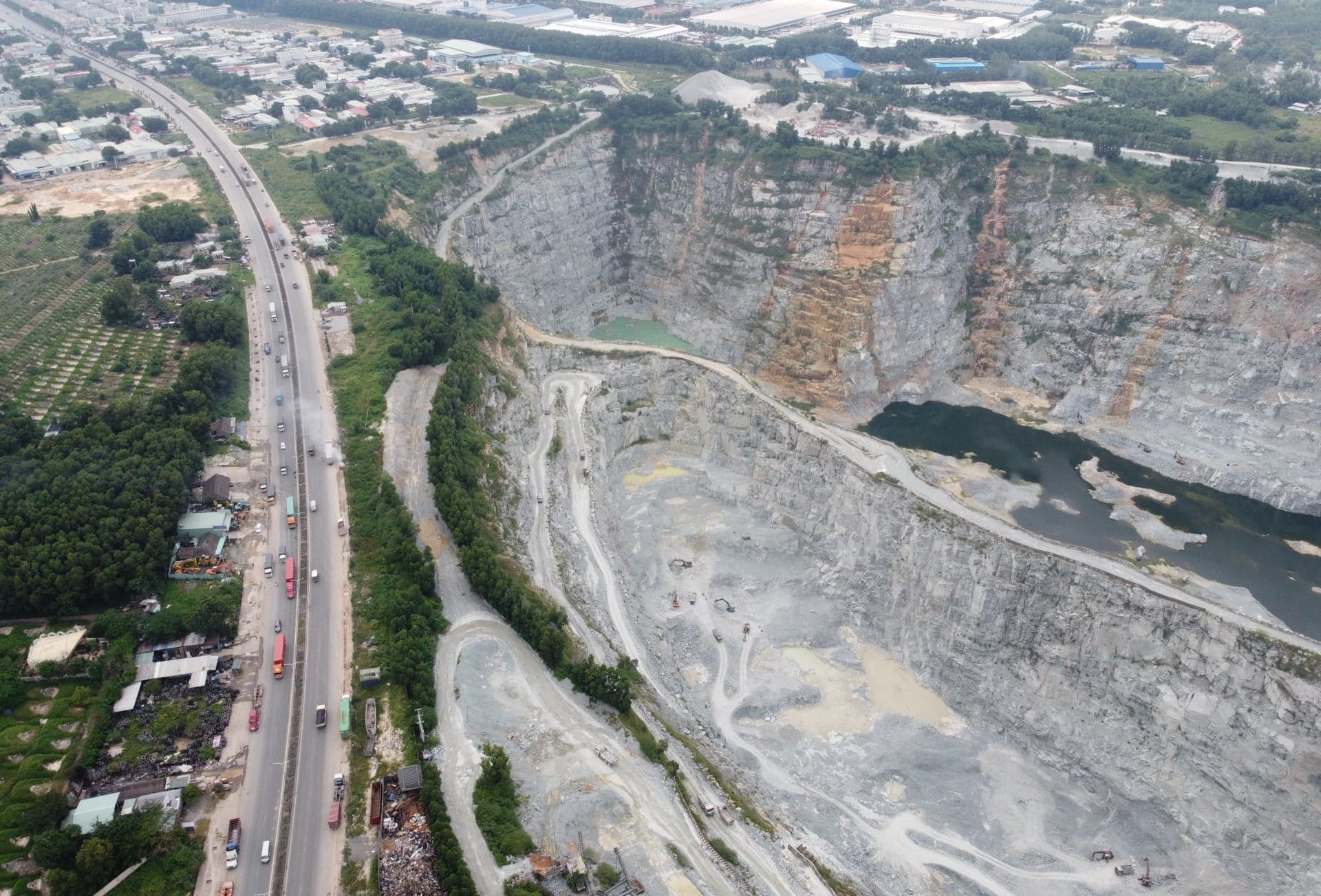
In the final four months of 2026, 20 transport projects managed by Ho Chi Minh City's Transport Management Board will need about 1.91 million cubic metres of construction stone, 550,000 cubic metres of construction sand, 1.85 million cubic metres of filling sand and 3.7 million cubic metres of fill soil.
The Transport Management Board of Ho Chi Minh City gave the figures to reporters at a press conference on the city's socio-economic issues on the afternoon of October 29.
According to the board, the material needs of the 20 projects account for about 28% of the city's fill-soil demand and 17% of its construction-stone demand during the same period. Demand is concentrated on Ring Road 3 and the Ho Chi Minh City-Moc Bai Expressway.
Sand supply covers less than half of demand
The board said sand is the most difficult material to supply. Current sand-mining capacity meets about 50% of Ho Chi Minh City's construction-sand demand and 38% of its filling-sand demand. The total supply of fill soil is considered sufficient, but soil that meets technical requirements and can be transported over a suitable distance remains limited.
From now until the end of the year, the projects will need about 900,000 cubic metres of construction stone, mainly graded crushed stone. About 350,000 cubic metres is expected to come from quarries in the area of former Binh Duong province; arrangements are still being made for the rest.
In the fourth quarter of 2026 alone, the projects registered a need for about 420,000 cubic metres of construction sand, 1.44 million cubic metres of filling sand and about 3 million cubic metres of fill soil.
The board assessed that stone supplies should generally be sufficient if the quarries meet their delivery commitments. Additional fill soil is being considered from soil excavated for Ho Chi Minh City's Metro Line 2. Sand remains the bottleneck that requires monitoring.
Connecting quarries and seeking substitute materials
To keep projects on schedule, the board updates material demand based on actual construction, and works with the Ho Chi Minh City Department of Construction and Department of Agriculture and Environment to prepare a distribution plan. It also connects contractors with quarries, urges them to sign contracts and receives allocated materials.
For filling sand, contractors have been asked to find legal supplies from nearby provinces and imported sources in line with the city's direction. The board also said it is expanding the use of manufactured sand and studying sea sand, saline sand, dredged materials and excavated soil for suitable parts of projects, once the competent authorities identify the sources and approve their use.
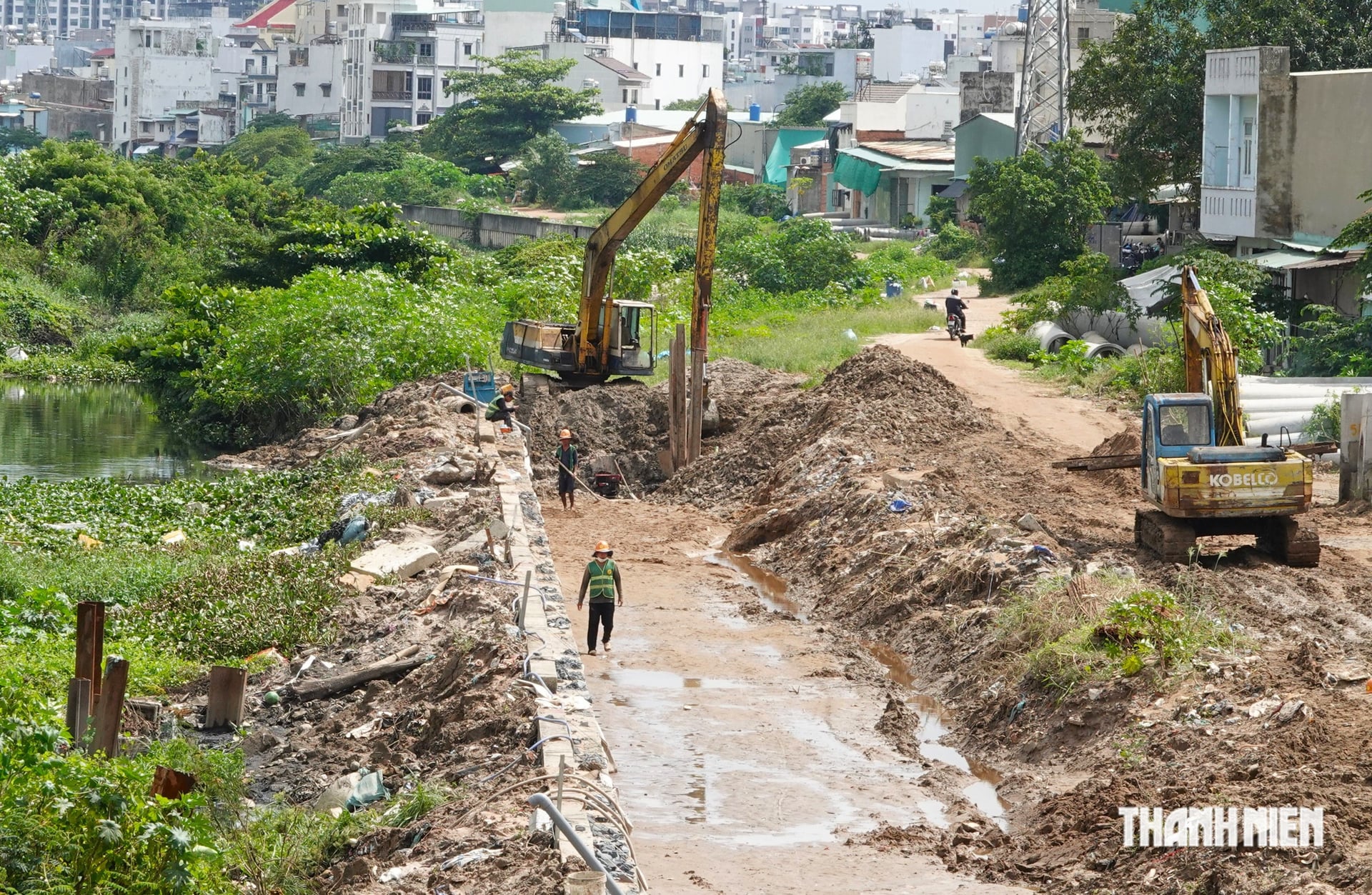
For the design of new projects, the board has proposed prioritising solutions that reduce the use of traditional sand and stone. Contractors are also required to arrange storage areas and monthly and quarterly material-receiving plans to limit several projects accelerating at the same time and creating a surge in demand.
Sources: Thanh Niên

