
In brief: what to do after contact with a tomcat beetle
The tomcat beetle in Vietnam does not bite or sting. Pederin in the insect’s body fluid irritates the skin if the beetle is crushed or rubbed against it. If one lands on you, shake it off without slapping it. Wash your skin and hands with soap and water as soon as possible, and do not rub the area. A cool, damp cloth may ease burning. Redness, itching or a streak-like rash can begin within hours; blisters often appear after 24 to 48 hours. The rash alone cannot confirm the cause, since other skin conditions can look similar. If the toxin reaches an eye, rinse it with clean water and seek urgent care. See a doctor if the face or a large area is affected, if pain is severe, many blisters appear or there are signs of infection. A clinician should choose any cream or corticosteroid based on the affected area and severity. Do not use a potent steroid or antibiotic without medical advice.
What is the tomcat beetle in Vietnam?
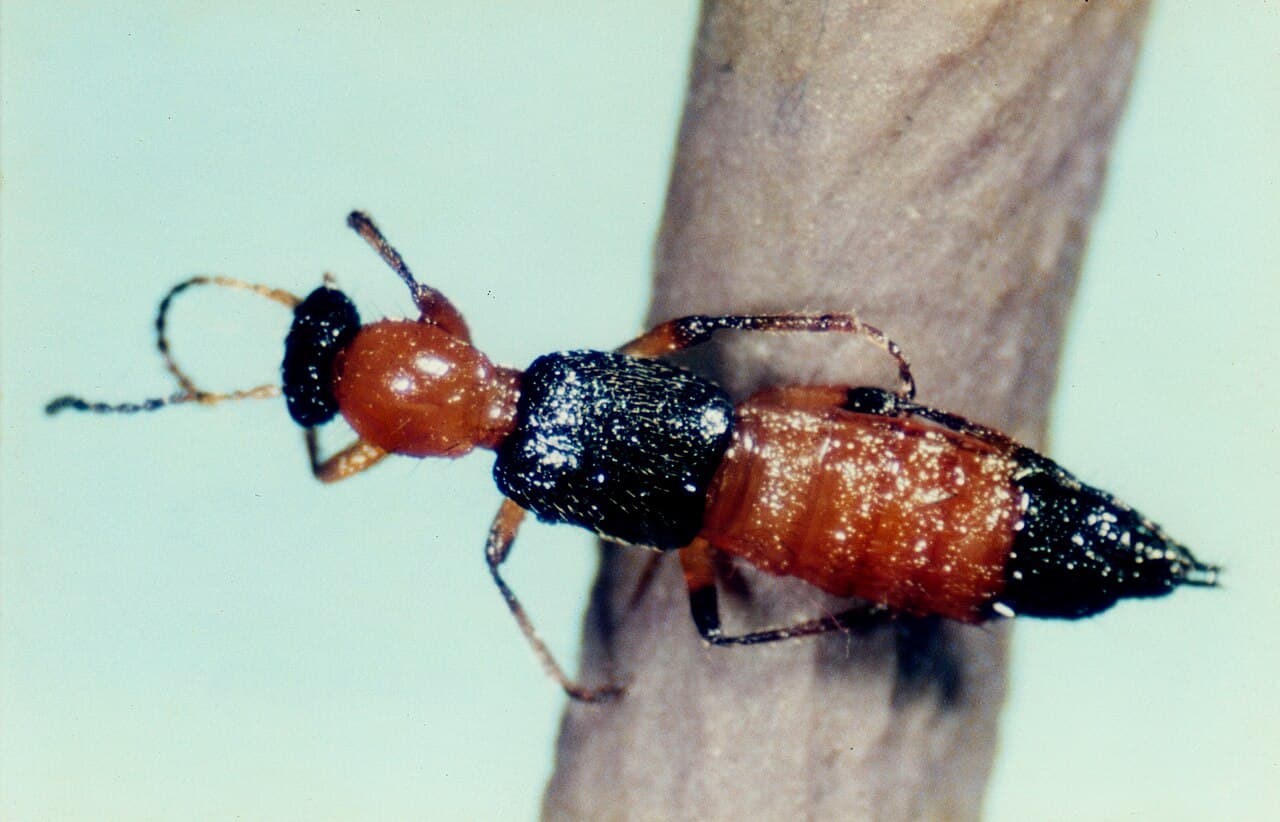
The Vietnamese name kiến ba khoang refers to rove beetles in the genus Paederus. They are also called tomcat beetles or Paederus beetles. These narrow insects have dark and orange-red body sections. They do not bite or sting. Skin irritation is caused by contact with pederin, a toxin in the insect’s body fluid.
Beetle photo: Punlop Anusornpornperm, Wikimedia Commons, CC BY 4.0.
The beetles are often attracted to artificial light in the evening. The risk comes from crushing one on the skin or rubbing it across the skin. Do not rub the area where it crawled or pick it up with your palm.
What does the skin reaction look like?
Redness, burning or itching may start within hours. A typical rash often appears 24 to 48 hours after contact. It can form a straight or streak-like mark, sometimes with small blisters. Rubbing the area can spread the toxin to nearby skin.
Other conditions, including herpes and shingles, can look similar. A photo or description cannot confirm the diagnosis. See a doctor if the cause is unclear, symptoms worsen or the rash covers a large area.
What to do right after contact
- Do not slap or crush the beetle. Shake or blow it off without bare-skin contact.
- Wash the affected skin and your hands with soap and water. Do not scrub or rub the insect.
- Use a clean, cool, damp cloth if the area burns. Do not open blisters.
- Wash clothing or fabric that the insect or its fluid may have touched.
Which creams or ointments are used?
After contact with the beetle, first wash pederin off with soap and water. Choose skin care according to the symptoms. An antibiotic is not needed for every case of tomcat beetle dermatitis.
Fucidin H by LEO Pharma
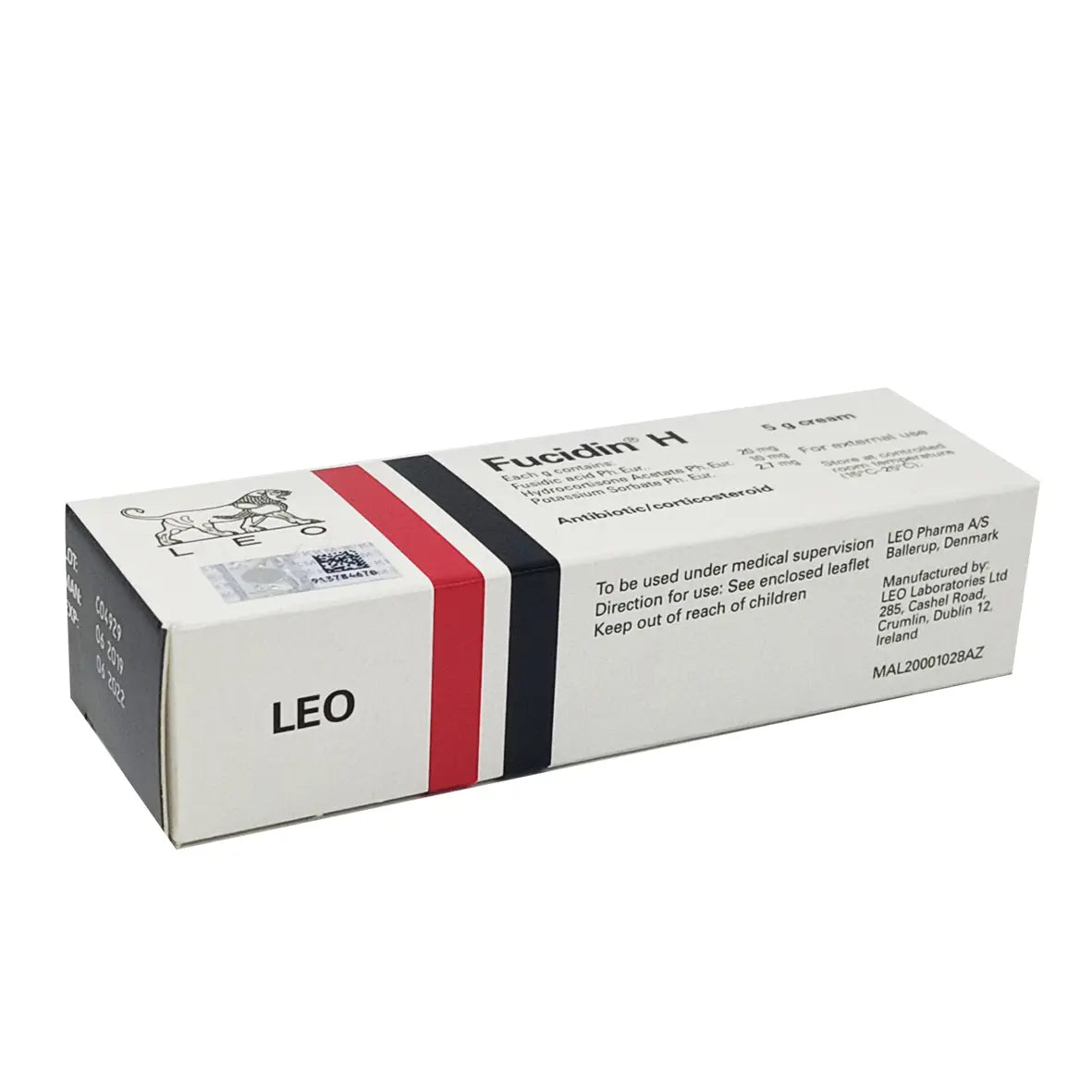
Check that the package says Fucidin H by LEO Pharma and carries the lion logo. It is different from Fucicort and from plain Fucidin. Each gram contains fusidic acid 2% and hydrocortisone acetate 1%.
A clinician may prescribe Fucidin H for dermatitis or eczema with a secondary bacterial infection when the bacteria are sensitive to fusidic acid. Pederin irritation alone does not mean an antibiotic cream is needed. Fucidin H is prescription-only.
The Fucidin H product information says to apply a small amount to an uncovered affected area twice daily; a covered area may need less frequent application. A course should not normally exceed two weeks. If there is no clinical improvement after seven days, do not continue the antibiotic and corticosteroid combination without a clinician’s reassessment.
Keep the cream out of the eyes and off mucous membranes and open wounds. Do not use it for a long time, on the face or over a large area unless a clinician directs you to. Possible effects include burning, itching, irritation and contact allergy. Long or repeated use of fusidic acid can increase antibiotic resistance.
Bepanthen Itch Relief Cream
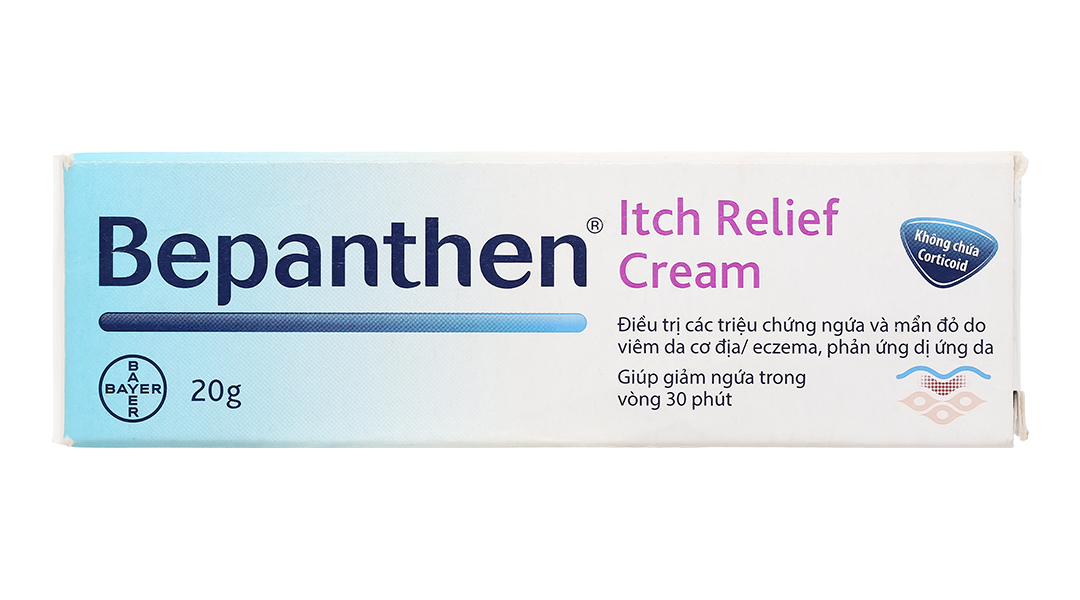
This cream is for itch and redness on unbroken skin, such as irritation from dry skin, eczema or an allergic reaction. Apply it to the affected spots as needed. Do not use it on wounded skin. Stop if a skin reaction develops, and seek medical advice if you notice signs of infection. Ask a clinician before using it on a large area or for a long period. Manufacturer information.
La Roche-Posay Cicaplast Baume B5+
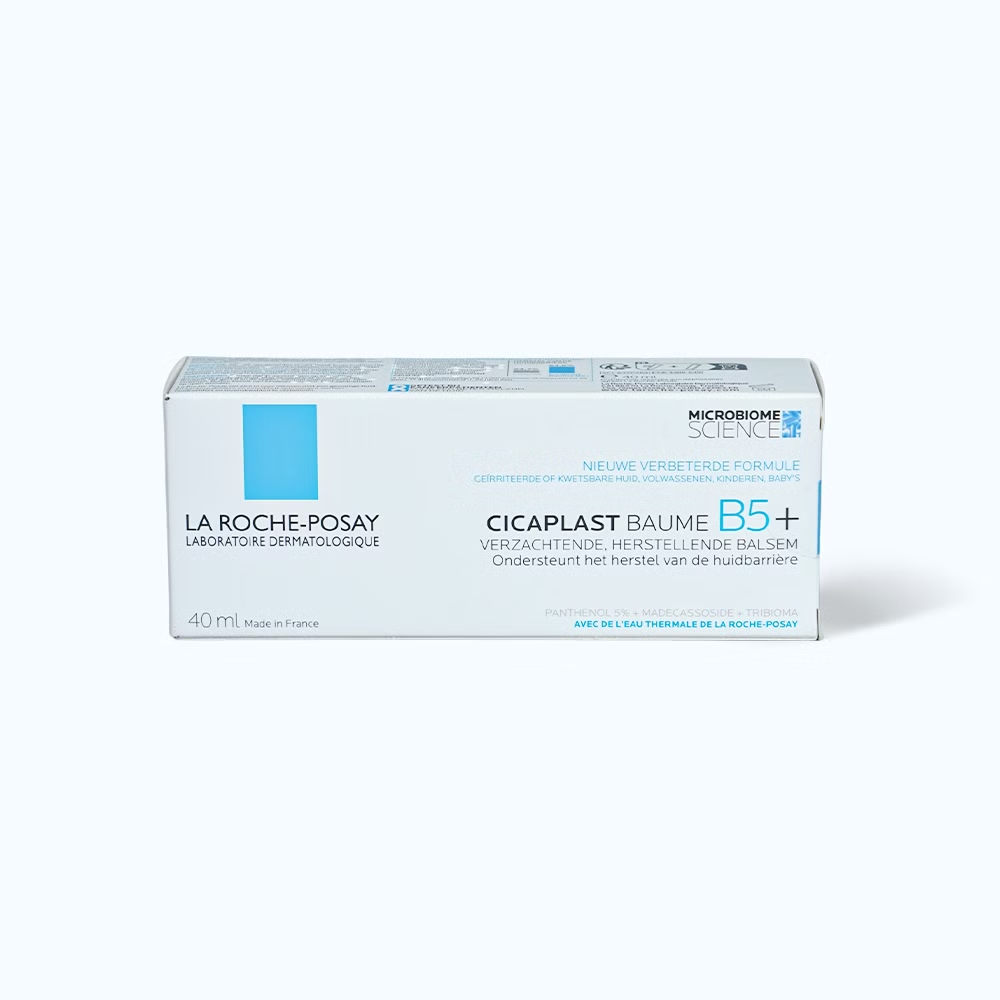
After the acute phase, once the skin has closed, apply the balm to clean, dry skin as directed on the package. It is a skin-care product for the skin barrier. It does not treat a bacterial infection or replace medicine prescribed by a clinician. Avoid the eye area. Manufacturer information.
When to seek medical care
- The toxin reached an eye or the rash is near an eye.
- A large area is affected, many blisters appear or the pain is severe.
- The rash is on the face or genitals.
- Redness spreads quickly, pus appears, pain increases or you develop a fever.
- You are not sure Paederus caused the rash.
How to keep the beetle out of your room
- Use window screens and close doors behind you.
- At night, avoid leaving bright lights on next to open windows.
- Check bedding, towels and clothes left near windows before using them.
- If you see a beetle on a wall or clothes, remove it with paper or shake it into a container. Do not crush it with your fingers.
Questions and answers
Does the tomcat beetle bite?
No. The reaction is caused by contact with pederin in the beetle’s body fluid, usually after the insect is crushed or rubbed on the skin.
What if the beetle crawled across my arm?
Do not rub the skin. Wash the area and your hands with soap and water. See a doctor if strong burning or a rash develops.
What should I put on a tomcat beetle rash?
A doctor may recommend a topical corticosteroid. The choice depends on the reaction and the affected area. Do not use a potent steroid or antibiotic without medical advice.
How soon does the rash appear?
Burning and redness may start within hours; a typical streak-like rash often appears after 24 to 48 hours. Timing varies.
Is it dangerous if the toxin gets in my eye?
Eye involvement needs urgent medical assessment. Rinse the eye with clean water and seek care.